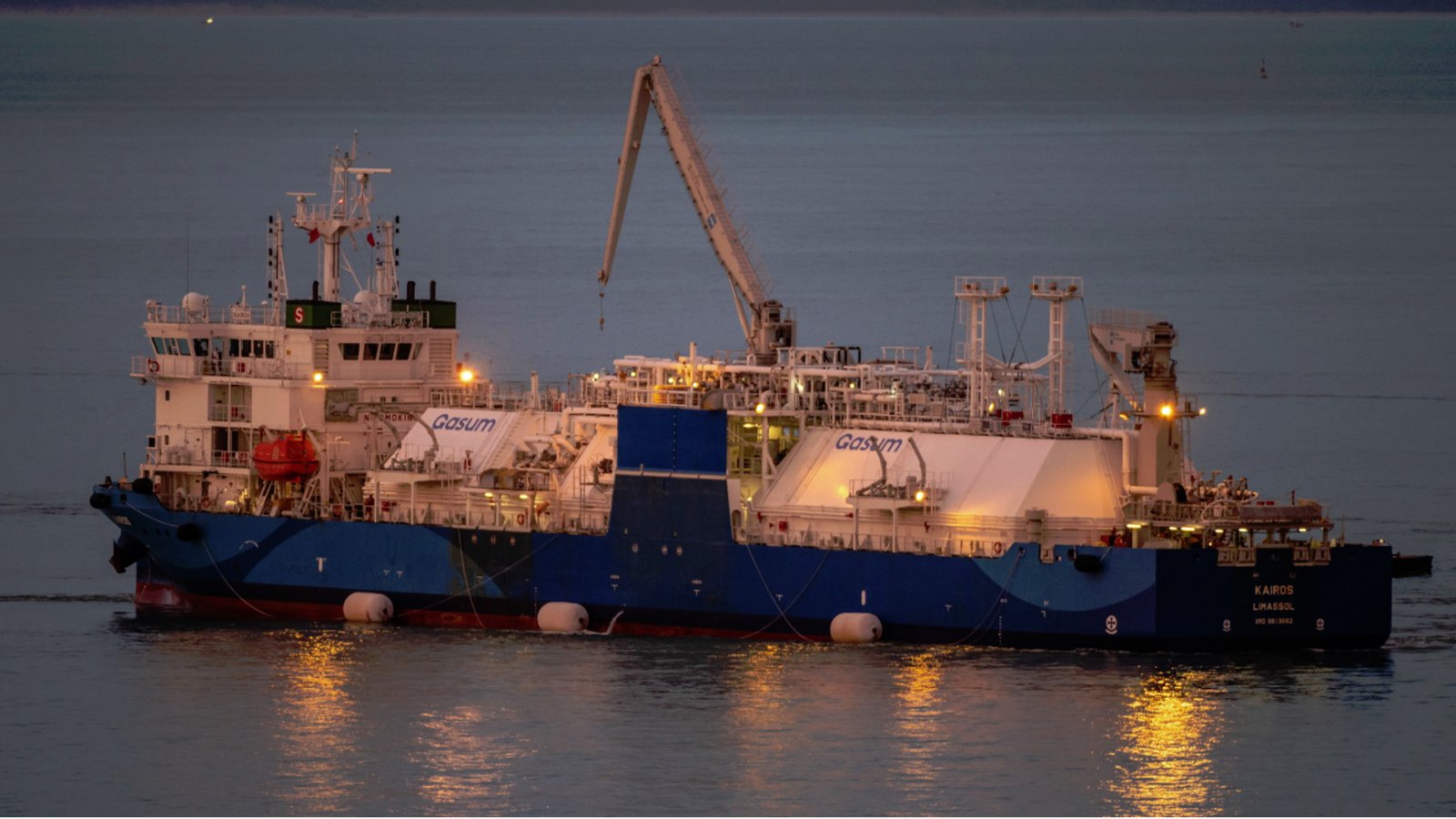
Gasum has bunkered the first LNG-fuelled cruise vessel to be built by Chantiers de l'Atlantique in La Rochelle, France.
Significance: The LNG delivery, which took place on September 10, was the first to be performed at the Atlantic coast port.
Timeline: It comes just under a year since the company's maiden LNG delivery in France, on September 24, 2021, when Ponant's newbuild polar explorer was bunkered in Le Havre.
Gasum supported Chantiers in the technical preparation of the delivery at La Rochelle, including obtaining the relevant permits and authorisations.
What Gasum said: The Finnish firm said last week's refuelling operation was a new milestone in the extension of its network which underlined its ambition to grow geographically, whilst also providing key technical support to clients where required.
What Chantiers said: Chantiers' General Manager, Laurent Castaing, stated that the firm's LNG-fuelled newbuild program showed its capacity to "embrace new technologies and to remain at the forefront of the shipbuilding industry."
|
KEYS Azalea completes 100th LNG bunkering operation in western Japan
LNG bunkering vessel reaches landmark delivery in two and a half years. |
|
|
|
||
|
Port of Santos moves to regular ethanol bunkering for ships
CMA CGM, Copersucar and Bunker One expand July pilot into a commercial supply chain for ethanol as a marine fuel in Brazil |
|
|
|
||
|
Baleària floats first fully electric fast ferry for Tarifa–Tangier route
Spanish operator's new catamaran, built at Armón's Gijón yard, will enter service in summer 2027. |
|
|
|
||
|
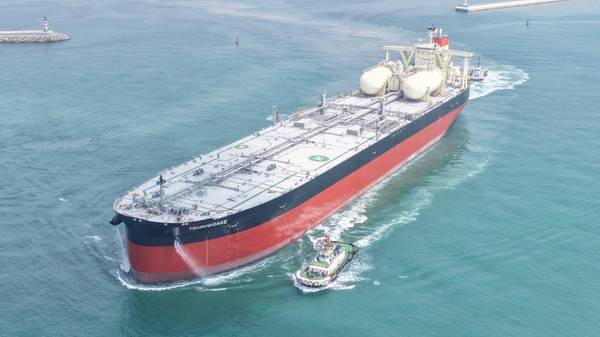
Kawasaki Heavy Industries delivers fourth LNG-fuelled VLCC
The 309,000-tonne Tsurugidake, built at a joint-venture shipyard in Dalian, is designed to cut CO₂ emissions by up to 30% when running on LNG. |
|
|
|
||
|
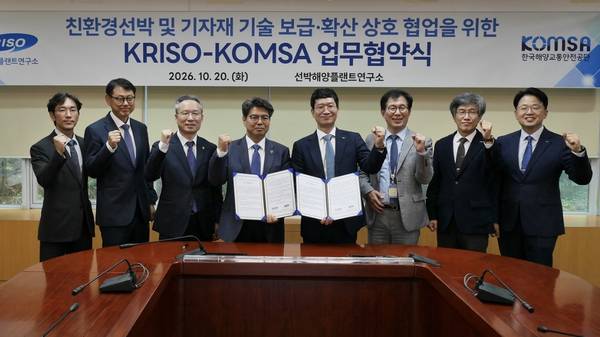
South Korean agencies link up on green shipping data and monitoring tech
KRISO and KOMSA sign an MOU to share demonstration data and remote monitoring capabilities for eco-friendly vessels. |
|
|
|
||
|
Peninsula seeks sales trader for Singapore bunker fuel desk
Role suited to candidates with prior sales or trading experience, ideally within the maritime or energy sector. |
|
|
|
||
|
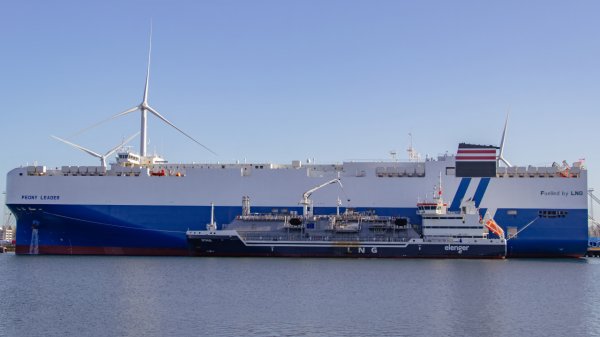
FuelEU pooling drives surge in bio-LNG demand, Titan analysis finds
Clean fuel supplier's modelling shows pooling mechanism turning overcompliance into tradable value for LNG-fuelled ships. |
|
|
|
||
|
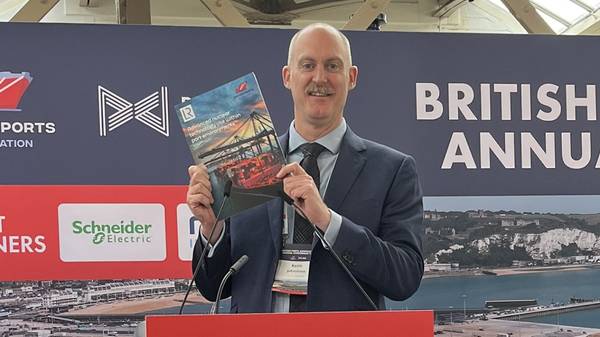
Ports told to prepare now for advanced nuclear power
Joint paper sets out a readiness pathway for ports facing nuclear-powered vessels, floating reactors and small modular units |
|
|
|
||
|
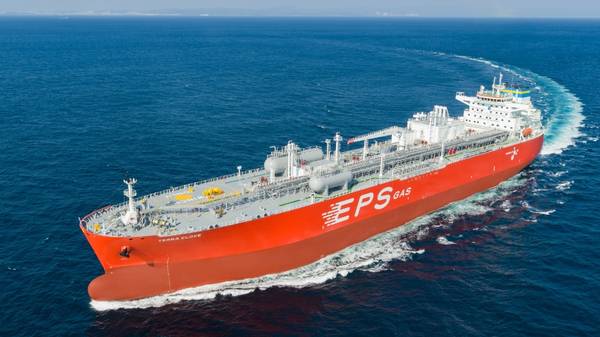
Eastern Pacific Shipping takes delivery of first ammonia dual-fuel VLAC
Terra Clove powered by first Everllence B&W 6G60ME-C10.5-LGIA ammonia dual-fuel two-stroke engine. |
|
|
|
||
|
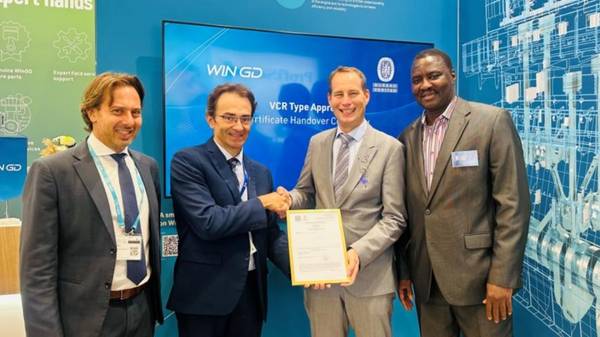
Bureau Veritas approves WinGD's variable compression ratio technology for dual-fuel engines
Classification society grants type approval to engine technology enabling compression ratio adjustment across different marine fuels. |
|
|
|
||
| Gasum performs maiden LNG delivery in France [News & Insights] |
| Gasum commits to making biogas from ship wastewater [News & Insights] |
| Gasum secures LNG licence for Belgium [News & Insights] |
| Gasum ups LNG supply capacity in ARA [News & Insights] |
| KEYS Azalea completes 100th LNG bunkering operation in western Japan [News & Insights] |
| KEYS Azalea completes 100th LNG bunkering operation in western Japan [News & Insights] |
| Port of Santos moves to regular ethanol bunkering for ships [News & Insights] |
| Eastern Pacific Shipping takes delivery of first ammonia dual-fuel VLAC [News & Insights] |
| Dual-fuel fleet passes 500 ships as investment tops $200bn [News & Insights] |