|
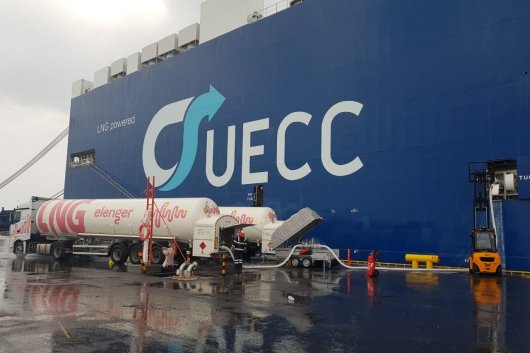
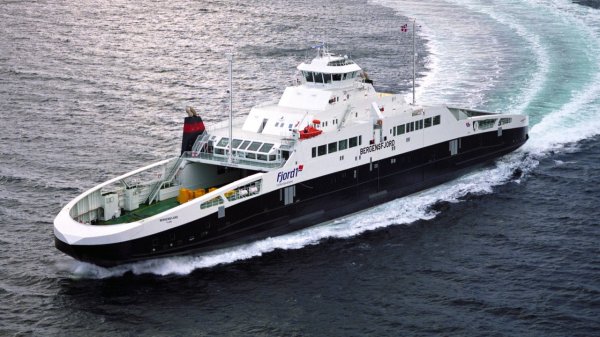
Gasum selected as LNG supplier for Fjord1 ferries on Norway’s west coast
Long-term agreement covers LNG delivery to ferries operating the Arsvågen–Mortavika route. |
|
|
|
||
|
Shipping’s fuel transition faces $9 trillion funding gap, Singapore technical talk to hear
Global merchant fleet said to be ordering alternative-fuel vessels faster than the fuels can be produced. |
|
|
|
||
|
Netherlands launches R&D phase for electric emergency towing vessels with e-methanol as backup fuel
Vessels will operate electrically wherever possible, while e-methanol will serve as fuel during emergency towing operations. |
|
|
|
||

|
KPI OceanConnect seeks marine fuel trading intern for China desk in Singapore
Bunker firm is recruiting a bilingual staff member to support its China trading operations. |
|
|
|
||
|
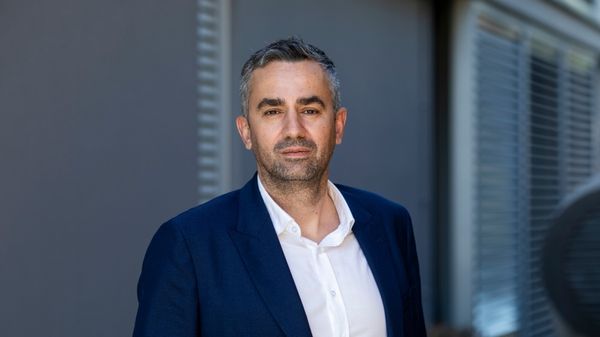
EmissionLink calls for clarity amid crowded regulatory landscape
Emissions management firm calls for practical guidance to prevent duplicate carbon costs under overlapping regulatory regimes. |
|
|
|
||
|
Shell forecasts sevenfold rise in LNG bunkering demand to 27m tonnes by 2035
Annual LNG outlook projects global demand reaching nearly 700 million tonnes per year by 2050. |
|
|
|
||
|
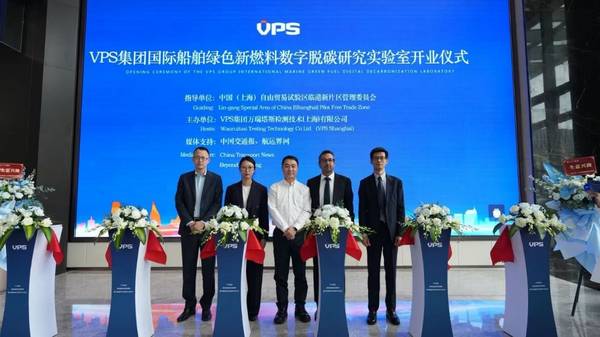
VPS opens Shanghai lab as China’s bunker market expands
Sixth laboratory added to global network, targeting faster fuel testing for customers in APAC region. |
|
|
|
||
|
Heinrich Wegener joins Global Ethanol Association
German family-owned bunker firm joins industry body to support ethanol and methanol adoption. |
|
|
|
||
|
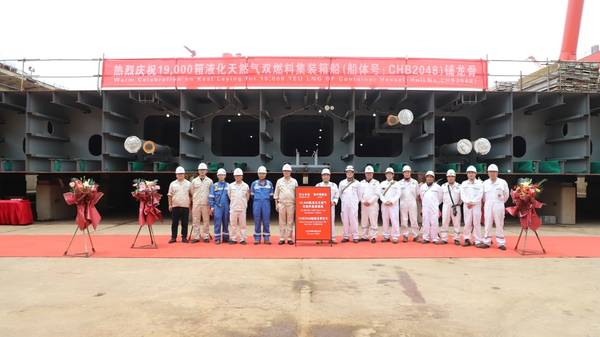
Second MSC ultra-large LNG dual-fuel boxship enters dry dock at Zhoushan
Changhong International's Daishan Base receives 19,000-teu container vessel built for MSC. |
|
|
|
||
|
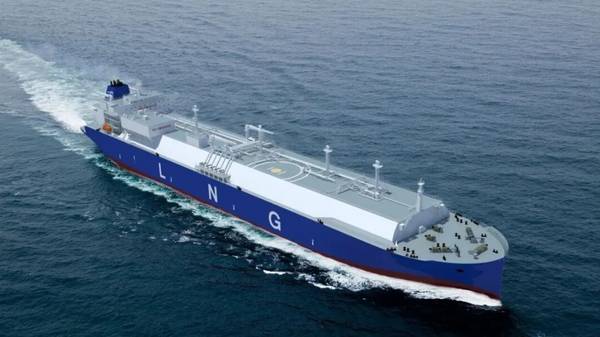
Deal signed to build four LNG-fuelled gas carriers
Quartet of 175,000-cbm LNG vessels destined for Shell charter. |
|
|
|
||
| KC LNG unveils 'game-changer' Y-piece that slashes bunker delivery times [News & Insights] |
| LNG bunker agreement signed in South Korea [News & Insights] |
| Titan LNG performs first simultaneous two-truck delivery in Rotterdam [News & Insights] |
| Titan LNG doubles speed of bunker deliveries in Amsterdam [News & Insights] |
| Scrubbers installed on 60 Carnival ships [News & Insights] |
| Plan to build LNG fuel supply terminal [News & Insights] |
| Marine Petrobulk owner posts Q1 results [News & Insights] |
| Maersk: Bunker prices to 'impact margins negatively' [News & Insights] |
| ExxonMobil, Eagle LNG Partners and Crowley sign LNG bunkering agreement [News & Insights] |