
|
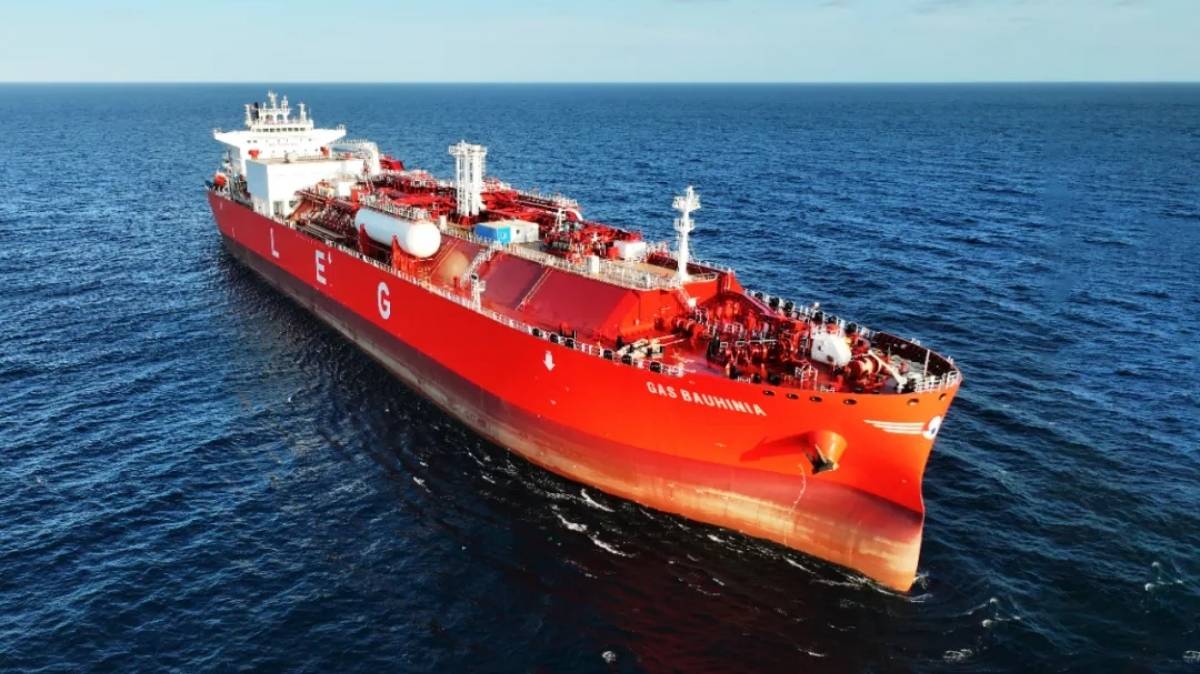
Jiangnan Shipyard delivers dual-fuel VLEC to Southwest Shipping
Delivery of Gas Bauhinia closes out a series of very large ethane carriers built for Southwest Shipping. |
|
|
|
||
|
Lotte Fine Chemical and Höegh Autoliners sign MoU on green ammonia bunkering
Chemicals firm and car carrier operator to collaborate on ammonia fuel supply chain and bunkering infrastructure. |
|
|
|
||
|
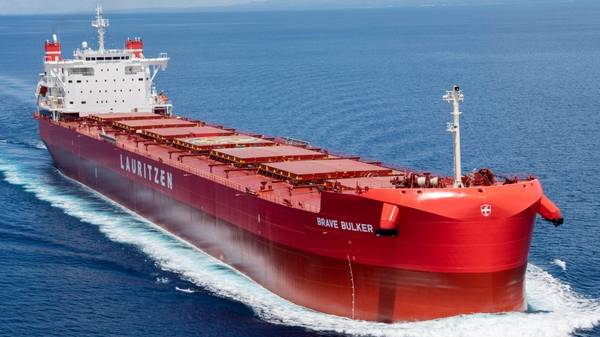
Tsuneishi-Cebu delivers third methanol dual-fuelled Kamsarmax bulker
Vessel features dual-fuel design that allows the use of methanol alongside conventional fuel. |
|
|
|
||
|
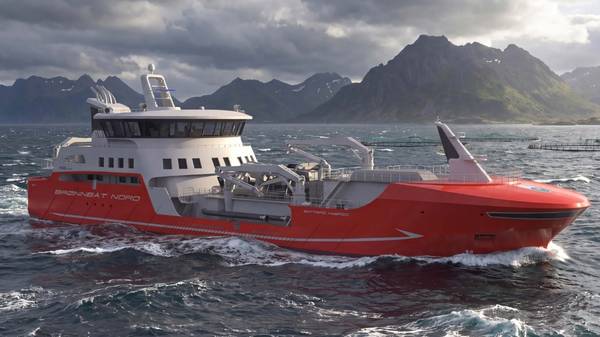
Everllence to supply 175D GenSets for battery-hybrid live-fish carrier
Four 12V175D-MEV variable-speed GenSets will power a well-boat for Norway's Brønnbåt Nord. |
|
|
|
||
|
Bunker Partner seeks marine fuel trader for Singapore office
Prior experience in marine fuels and good knowledge of the Singapore and APAC bunker markets required. |
|
|
|
||
|
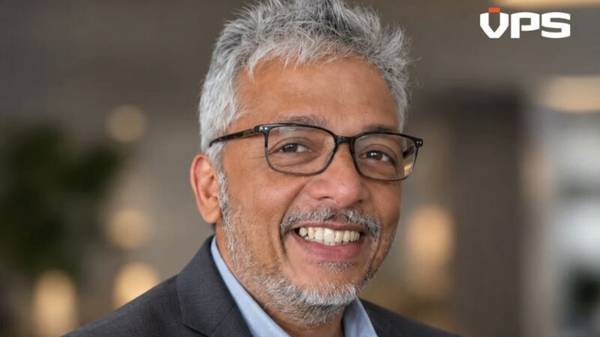
VPS manager joins ISO working group on alternative marine fuels
Stanley George will represent the UK on ISO’s alternative marine fuels specification group. |
|
|
|
||
|
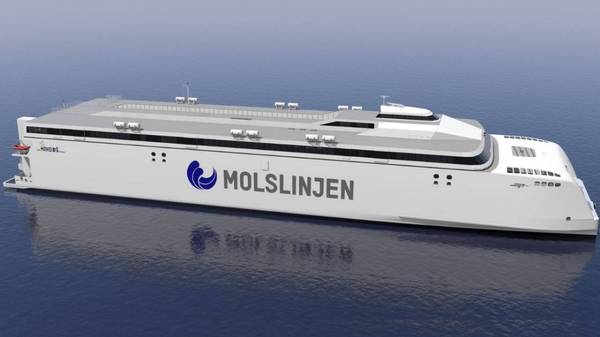
AYK Energy secures battery contract for Molslinjen's electric fast ferries
Battery maker to supply 165MWh for three electric catamarans after cutting system weight by nearly half. |
|
|
|
||
|
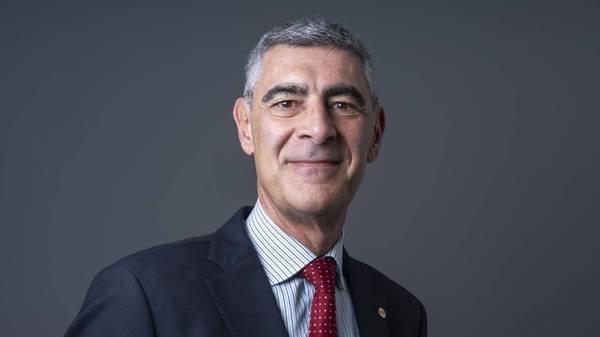
Giosuè Vezzuto named CEO of RINA Services, taking charge of marine and certification arm
Naval engineer with nearly three decades at RINA succeeds Paolo Moretti to lead the group's marine and certification division. |
|
|
|
||
|
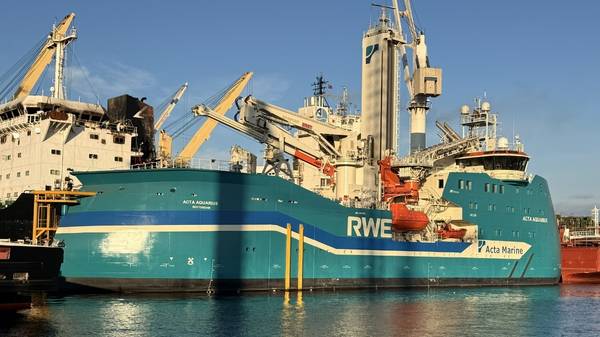
Acta Marine completes four-vessel newbuild programme with delivery of methanol dual-fuel Acta Aquarius
Dutch offshore support vessel operator takes delivery of its fourth Tersan-built CSOV, featuring dual-fuel methanol propulsion. |
|
|
|
||
|
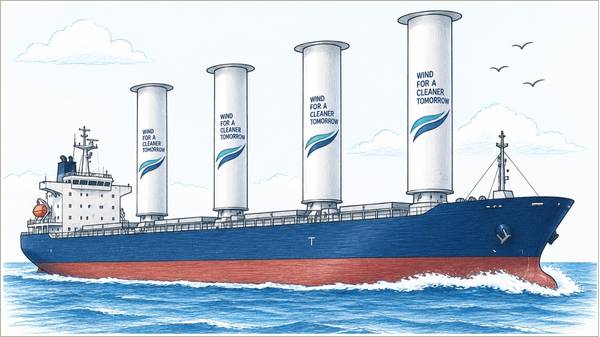
Lloyd's Register backs GCMD methodology for verifying wind propulsion fuel savings
Independent review aims to boost confidence in wind-assisted propulsion performance and unlock sustainable finance for energy-efficiency retrofits. |
|
|
|
||
| Aegean doesn't have a centralized accounting system: EY director [News & Insights] |
| Aegean's proposed bidding process revealed [News & Insights] |
| Aegean proposes bidding timeline as Mercuria offers $681m [News & Insights] |
| Aegean document reveals September plan to close four offices [News & Insights] |
| Aegean: 'Cash erosion significantly accelerated' after banks reduced borrowing base [News & Insights] |
| Aegean files for Chapter 11 bankruptcy, seeks buyer [News & Insights] |

