This is a legacy page. Please click here to view the latest version.
Tue 4 Sep 2018, 12:03 GMT

ExxonMobil launches 'Journey to 2020' symposium series


Sessions to provide essential guidance on fuels, cylinder oils and safe and efficient vessel operation.


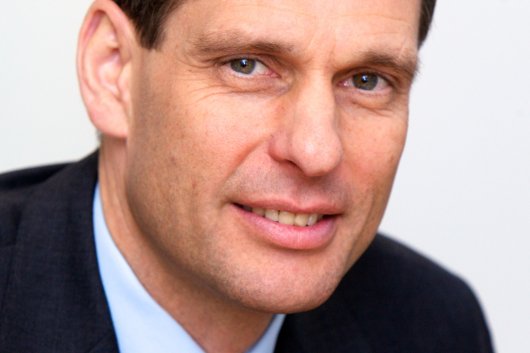
Iain White, global field engineering manager at ExxonMobil Marine.
Image credit: ExxonMobil
ExxonMobil is holding a series of 'Journey to 2020' symposiums around the world to help marine operators optimise vessel performance in readiness for the International Maritime Organization's (IMO) 0.50 percent global cap on fuel sulphur content in 2020.

The events are designed to provide essential insights and help on fuels options and choosing appropriate cylinder oils, for safe and efficient vessel operation.

The first symposium is scheduled to be held at the Equinox Complex in Singapore, on October 26, followed by events in Hong Kong, Taipei, Athens, Tokyo, Imabari, Copenhagen and Hamburg, with the series continuing into the first quarter of 2019.

While ExxonMobil anticipates that the vast majority of the industry will initially choose low-sulphur fuels, the bunker supplier also acknowledges that there is no single route to compliance.

The 'Journey to 2020' symposiums will enable operators to discuss the most practical compliance choices with ExxonMobil's team of experts.

ExxonMobil notes that the events will also provide operators with the opportunity to explore the cylinder oil options that best fit their fuel choices.

"For the majority of vessels bunkering a 0.50 percent sulphur fuel, a 40 BN cylinder oil will be the best choice. Vessels fitted with scrubbers will continue to burn HFO and will solely use a high BN alternative," ExxonMobil observed.

ExxonMobil notes that options will be available for low-sulphur distillates, such as marine gas oil (MGO); new low-sulphur fuels; premium Emission Control Area (ECA) fuels; the continued use of high-sulphur fuel oil (HSFO) in conjunction with a scrubber; and liquefied natural gas (LNG).

"The 2020 sulphur cap will fundamentally change how the marine industry operates," said Iain White, Global Field Engineering Manager, ExxonMobil Aviation and Marine Lubricants. "Our symposiums will share essential information and guidance to help the marine industry safely and effectively comply with the changing emissions regulations. Backed by our extensive marine industry knowledge and expertise, operators should expect insights, advice and the opportunity for in-depth discussion with our teams to help them make the most informed choices possible ahead of 2020."

To find out more about the 'Journey to 2020' symposiums and to register for a place, please contact your ExxonMobil representative.

Zhoushan waterfront at night. Zhoushan becomes world's third-largest bunker port  

Chinese refuelling hub overtakes Antwerp-Bruges and Fujairah to take third place in 2025.

Meyer Turku's net-zero vessel concept render. Meyer Turku completes net-zero cruise ship concept with 90% emissions cut  

Finnish shipbuilder’s AVATAR project vessel design exceeds IMO targets using technologies expected by 2030.

Uni-Fuels Logo. Uni-Fuels renews ISCC certification after first biofuel delivery  

Singapore-based marine fuel supplier completes inaugural ISCC-certified biofuel delivery, supporting EU regulatory compliance.

Close-up of a vessel bow at port. Iberian Peninsula poised to overtake the Netherlands as Europe’s top LNG bunkering hub  

Spanish and Portuguese ports quadrupled ship-to-ship LNG supply in two years, data shows.

FOBAS Fuel Insight Fuel Quality report H2 2025 cover. Lloyd’s Register reports sharp rise in marine fuel quality failures in late 2025  

December recorded the highest monthly off-specification cases, driven by sulphur, catalytic fines and flash point issues.

Bio-LNG bunkering infrastructure. Bahía de Bizkaia Gas launches bio-LNG loading service after ISCC certification  

Spanish regasification terminal begins offering renewable fuel loading for trucks and vessels in January 2026.

Grande Michigan vessel. Grimaldi takes delivery of eighth ammonia-ready car carrier Grande Michigan  

The 9,000-ceu vessel features 50% lower fuel consumption and 5 MWh battery capacity.

Graphic of the ABS logo with a blue background and light effects over a globe. ABS consortium delivers ammonia fuel safety report for EMSA  

Report expands on IMO interim guidelines and highlights need for comprehensive understanding of ammonia properties.

Green Future vessel. NYK operates methanol-fuelled bulk carrier for BHP, claims 65% emissions cut  

Green Future becomes first oceangoing bulk carrier to use low-carbon methanol fuel.

Genesis Sea vessel. Ulstein Verft completes sea trials for Genesis Sea CSOV ahead of spring delivery  

The 89.6-metre vessel features hybrid battery propulsion and preparations for green methanol operation.


↑  Back to Top