A study into maritime air emissions in
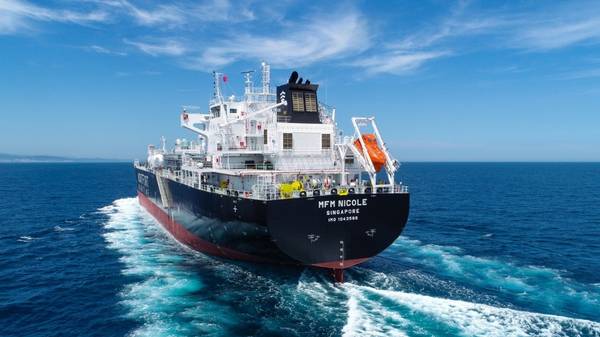
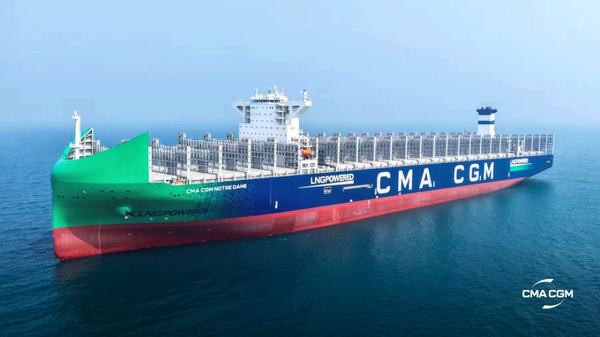
Puget Sound [pictured], Washington, has found that air pollution decreased by as much as 40 percent in 2011 compared to six years earlier.
The second
Puget Sound Maritime Air Emissions Inventory, published this week, was conducted as an update to the previous study released in 2007, which was based on activities in 2005.
The inventory estimated greenhouse gases, diesel particulate matter and a number of other pollutants, such as sulphur dioxides and volatile organic compounds. It focused on pollutants related to ships, harbour vessels, cargo-handling equipment, rail, heavy-duty trucks and other fleet vehicles associated with maritime activities.
Much of the clean air progress was said to be due to significant, voluntary investments of the maritime industry and government agencies in cleaner technology, cleaner fuels and more efficient systems of operation.
2011 results
Emissions dropped since 2005 from the following pollutants:
* Nitrogen oxides: reduced 14 percent.
* Volatile organic compounds: reduced 40 percent.
* Sulphur oxides: reduced 14 percent.
* Particulate matter (PM10): reduced 16 percent.
* Fine particulate matter (PM2.5): reduced 16 percent.
* Diesel particulate matter: reduced 16 percent.
* Carbon dioxide: reduced 5 percent.
Overall, emissions fell for most sources since 2005. Diesel particulate matter emissions are summarized below:
* Ocean-going vessels: reduced 16 percent.
* Harbour vessels: increased 7 percent.
* Locomotives: reduced 24 percent.
* Cargo-handling equipment: reduced 40 percent.
* Heavy-duty vehicles: reduced 52 percent.
* Fleet vehicles: reduced 47 percent.
In the harbour vessels sector, which includes ferries, tugs, fishing and recreational boats, some categories of pollutants increased. According to the study, this is likely to have been due to a 12 percent increase in boat traffic, as well as an increase in the use of larger engines, which have higher emissions.
Reasons behind results
The maritime industry has adopted a number of voluntary initiatives to reduce emissions, including switching to low-sulphur or biodiesel fuels, using shore power, replacing or retrofitting older engines and improving systems to use equipment more efficiently.
The
Northwest Ports Clean Air Strategy, an initiative of the ports of
Tacoma,
Seattle and
Vancouver is said to have helped further reduce emissions in the Puget Sound and Georgia air basins. Mandatory engine and fuel standards have also spurred the adoption of newer engines and cleaner fuels.
Some of the decrease could also be attributed to fewer ship calls and less cargo resulting from a sluggish economy.
What’s next?
Inventory results are expected to help focus future efforts and investments. The ports of Seattle and Tacoma are updating their Northwest Ports Clean Air Strategy goals based on the inventory results.
Maritime partners are expected to continue efforts to lower diesel emissions because they pose a public health risk. Exposure to diesel pollutants can contribute to increased rates of lung cancer, chronic respiratory and cardiovascular disease and other health effects.
Maritime industry partners are expected to continue to seek ways to reduce emissions from all sources, with particular attention to ships. While ship-related emissions have dropped, they account for 63 percent of the maritime-related diesel particulate matter emissions.
The 2011 results do not account for the North American 'Emission Control Area' that went into effect Aug. 1, 2012, requiring ships operating in waters along the Pacific, Gulf and Atlantic coasts of the United States and Canada to burn cleaner fuels. This regulation is expected to have a significant effect in further reducing ship-related emissions.
About the emissions inventory
The 2011 and 2005 reports were commissioned by members of the
Puget Sound Maritime Air Forum, a voluntary association of private and public maritime organizations, ports, air agencies, environmental and public health advocacy groups and other parties with operational or regulatory responsibilities related to the maritime industry. Forum partners selected Starcrest Consulting Group to develop the reports.
The study area covered the U.S. portion of the Puget Sound/Georgia Basin International Airshed, an area approximately 140 miles long by 160 miles wide.
Image: Puget Sound