Wed 7 Sep 2011, 05:31 GMT

OW: 'Singapore must become bunkering capital of excellence'


Continued professionalisation and progression of standards are key to staving off competition from China, says OW Bunker.


OW Bunker, one of the world’s leading suppliers and traders of marine fuel, today said that Singapore must continue to focus on driving up bunkering standards as a means of maintaining its position as the world’s largest bunkering port.

"With the ensuing threat and competition from China, Singapore must position itself as a champion for professionalisation as a means of continued differentiation," the company said in a statement.

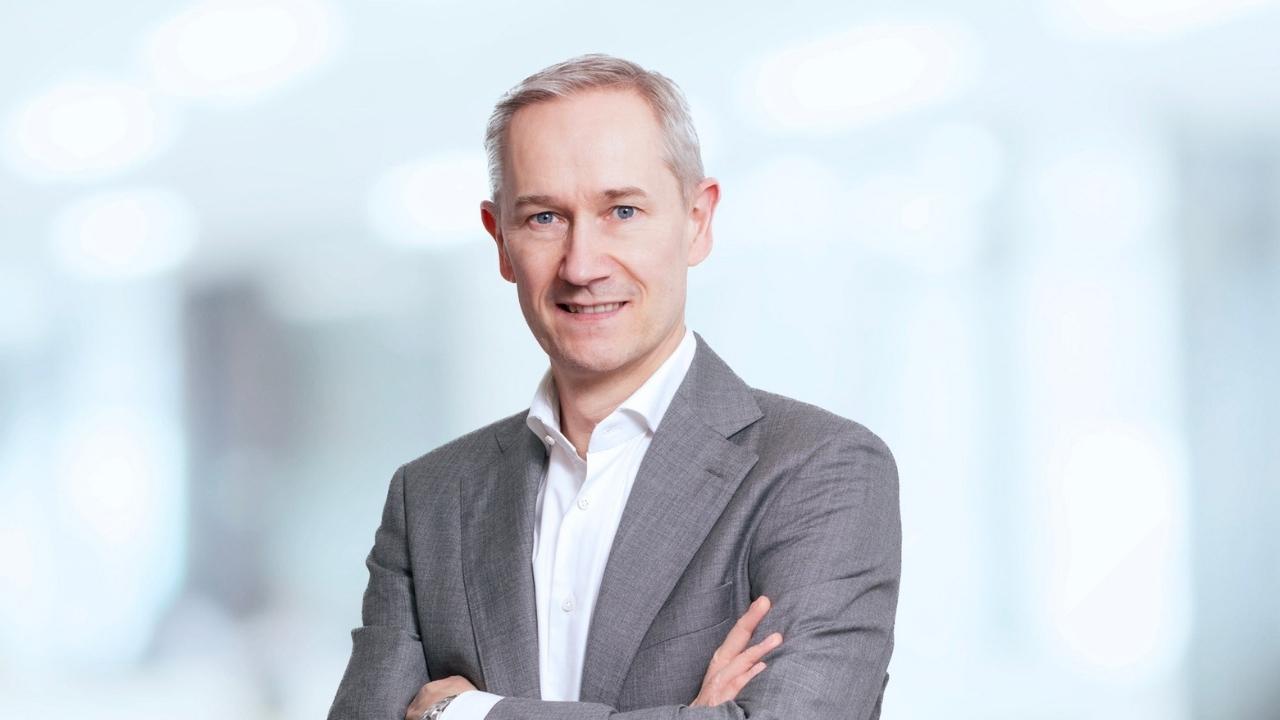
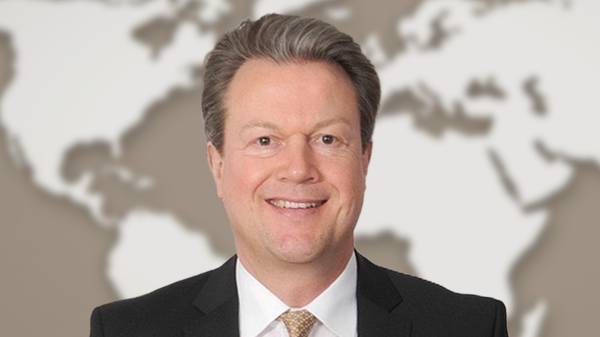
Søren Christian Meyer, Global Sales Director, OW Bunker, commented: “As well as striving to be as competitive as possible on price, Singapore must focus on building a reputation for being the world’s bunkering capital of excellence, a region known for quality and value-added services.”

Speaking on the trends, threats and opportunities of supply and demand in Singapore, Meyer continued: “While bunker prices in China are currently higher, this could well change. There is real expansion in the development of storage facilities and terminals, as well as bunker barges. And the main bunkering players have so much financial resource that they can simply drop their prices to become competitive.”

But Meyer believes that the seismic transformation of the shipping industry and the impending changes to fuel supply on the back of environmental regulations, compounded by the global economic crisis, is serving to change the mindset of many within the shipping industry.

"Ship owners and operators are facing such significant issues and challenges, that they are looking for more from their fuel suppliers than just a cheap deal. While price is obviously important, they need counsel just as much as quality products. Suppliers have an opportunity to differentiate themselves, and build close relationships with their customers, working with them to implement fuel procurement strategies that increase operational performance, environmental efficiency and profitability."

Meyer highlighted that Singapore must continue the strides it is making in improving standards and infrastructure to become the "symbol for progression within the bunkering industry". "This will help to alleviate the threat to supply and demand from China," he said.

"The MPA has made significant investments in improving standards beyond regulation, not just in bunkering, but also in innovation and development schemes that will tackle the challenges that the shipping industry faces. Continued commitment to such initiatives and setting new benchmarks for excellence by which we should all be measured will create the foundation that will enable Singapore to retain its number one status within the global shipping industry," added Meyer.

One example highlighted was the development of mass flow metering, which has been an area of focus for SPRING Singapore - a government agency dedicated to the promotion of Singapore's economic growth and productivity - and a concept that has been pioneered by OW Bunker:

"Ensuring product quantity is one of the biggest issues for ship owners and operators. OW Bunker championed the installation of mass flow meters over five years ago, and we now have over a third of the vessels in our global fleet now using them, the latest being in our new physical locations in Panama, Montevideo and Gothenburg. Not only do they guarantee quantity, mass flow meters significantly increase efficiencies into the bunkering process, which must ultimately be one of the key drivers and incentives for improving standards," Meyer commented.

Meyer also said that while there are more suppliers entering the Singapore market, this will lead to further consolidation amongst the smaller operators, who will struggle to survive in a cash-starved supply chain or to effectively compete in selling a value proposition to ship owners and operators.

"There is real pressure on cash within the supply chain, which is increasing the need to manage risk and control, in particular counter party risk. It is vital to have a sustainable and robust business model with long-term financing, which many smaller operators do not have. They also do not have the financial muscle to invest in infrastructure development to ensure product quality and quantity, which is so vital for customers. And finally they cannot offer an all-encompassing proposition that goes beyond product to provide strategic counsel, technical analysis, risk management, advice of managing energy efficiency and so forth."

Meyer concluded: "I fear that as the global economic pressures continue, we will enter a period of corporate Darwinism, where there will be continued consolidation amongst suppliers that do not have the resources, infrastructure and scale to compete and survive."


Hapag-Lloyd and DSV logo side by side. Hapag-Lloyd and DSV sign 18,000-tonne CO2e reduction agreement for sustainable marine fuels  

Two-year framework allows inclusion of alternative fuels beyond biofuels in shipping decarbonisation partnership.

Bangkok city skyline. Uni-Fuels opens Thailand office as part of Southeast Asia expansion  

Marine fuel supplier establishes Bangkok entity, appoints managing director with 15 years’ industry experience.

Washington State Hybrid-Electric 160-Auto Ferry vessel render. Corvus Energy to supply battery systems for Washington State Ferries hybrid vessels  

ABB selects Corvus for two new 160-vehicle ferries as part of $3.98bn electrification plan.

Vinssen and Mana Engineering sign MoU. Vinssen, Mana Engineering partner on hydrogen fuel cell retrofit for 800-teu feeder vessel  

South Korean and Dutch firms to pursue Lloyd’s Register approval for hybrid retrofit concept.

Hercules Elisabeth vessel. Hercules Tanker Management takes delivery of second Ultra-Spec vessel in China  

Hercules Elisabeth is the second of 10 hybrid-ready tankers designed for alternative fuels.

Wolf 1 vessel. Petrol Ofisi launches fuel supply tanker Wolf 1  

Turkish bunker supplier adds 1,750-dwt vessel with alternative fuel infrastructure to fleet.

BIMCO meeting. BIMCO to convene for adoption of biofuel clause and ETS provisions at February meeting  

Documentary Committee to consider new contractual frameworks for alternative fuels and emission trading scheme compliance.

Sea Change II vessel render. Incat Crowther and Switch Maritime develop 150-passenger hydrogen ferry for New York  

Design work begins on 28-metre vessel with 720 kg hydrogen capacity and 25-knot speed.

Aerial view of a container vessel. HIF Global signs heads of agreement with German eFuel One for 100,000 tonnes of e-methanol annually  

Deal covers supply from HIF’s Uruguay project, with e-methanol meeting EU RED III standards.

Welcoming of Kota Odyssey at Jordan’s Aqaba Container Terminal. PIL’s LNG-powered vessel makes maiden call at Jordan’s Aqaba port  

Kota Odyssey is Pacific International Lines’ first LNG-fuelled ship to call at the Red Sea port.


 Recommended