Thu 23 Jun 2011, 17:34 GMT

Houston forecasts 150% container growth by 2030


Containerized cargo volumes set to skyrocket as a result of the expansion of the Panama Canal.


The Port of Houston has said that containerized cargo volumes could increase by 150 percent over the next 20 years as a result of the expansion of the Panama Canal.

The forecast coincides with the renewal of its strategic alliance with the Panama Canal Authority (ACP), which took place yesterday during an official ceremony in Panama City, Panama.

The partnership, which was originally formed in 2003, has been extended for five years until 2016. It aims to boost trade along the "All-Water Route" between Asia and the U.S. Gulf Coast via the Panama Canal and the Port of Houston.

According to the Port of Houston Authority, containerized cargo volumes could grow by around 15 percent over the next few years, with a projected 150 percent increase to a total of 4.5 million TEUs (twenty-foot equivalent units) by 2030 as a direct result of the Panama Canal expansion project.

The $5.25 billion expansion of the Panama Canal, which broke ground in 2007, includes the construction of a new set of locks that will allow the transit of longer and wider ships.

The Port of Houston Authority and the ACP will both celebrate their centennial in 2014 – the same year that work on the waterway's expansion is expected to be completed.

"The renewal of this agreement signals an even stronger relationship between Houston's port and Panama," said Port Commission Chairman James T. Edmonds. "We look forward to the increased trade expected from the Canal's expansion, jobs creation and enhanced economic development in the region as we move toward another century of progress."

"As we forge ahead with the expansion of the Panama Canal, we are committed to strengthening our partnerships with ports in the United States. The expansion will benefit ports along the East and Gulf Coasts of the U.S., and we look forward to continuing our relationship with the Port of Houston Authority," said ACP Administrator/CEO Alberto Aleman Zubieta.

With this renewed agreement, the objective of both entities is to foster growth in trade and to increase traffic through the Canal with such activities as:

* Joint Marketing to generate new shipping business via promotions, advertising and public relations activities;

* Data Sharing to forecast future trade flows and market trends;

* Market Studies Exchange that may benefit either party in future product development or business venture;

* Sharing of Information Related to Modernization and Improvement projects that serve as a benefit to business and spur increased demand; and,

* Technological Interchange of advanced technology capabilities and programs to spur cutting-edge initiatives in the shipping and maritime community.


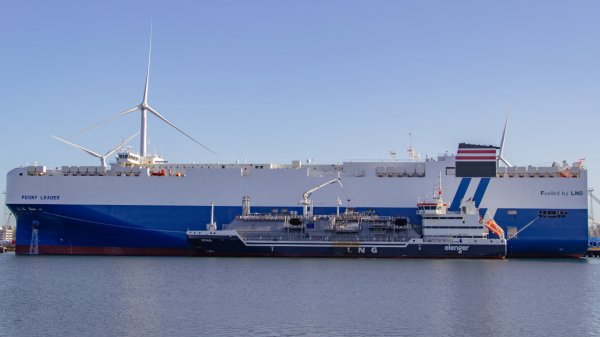
Titan Optimus alongside Peony Leader vessel. FuelEU pooling drives surge in bio-LNG demand, Titan analysis finds  

Clean fuel supplier's modelling shows pooling mechanism turning overcompliance into tradable value for LNG-fuelled ships.

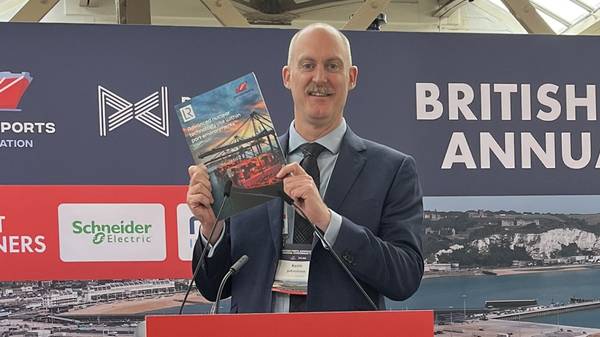
Keith Johnstone, Lloyd’s Register. Ports told to prepare now for advanced nuclear power  

Joint paper sets out a readiness pathway for ports facing nuclear-powered vessels, floating reactors and small modular units

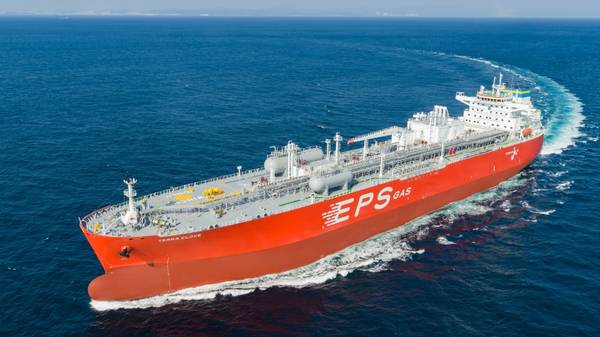
Terra Clove vessel. Eastern Pacific Shipping takes delivery of first ammonia dual-fuel VLAC  

Terra Clove powered by first Everllence B&W 6G60ME-C10.5-LGIA ammonia dual-fuel two-stroke engine.

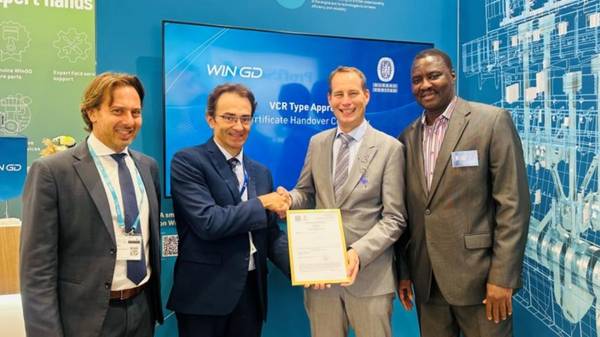
BV grants type approval to WinGD. Bureau Veritas approves WinGD's variable compression ratio technology for dual-fuel engines  

Classification society grants type approval to engine technology enabling compression ratio adjustment across different marine fuels.

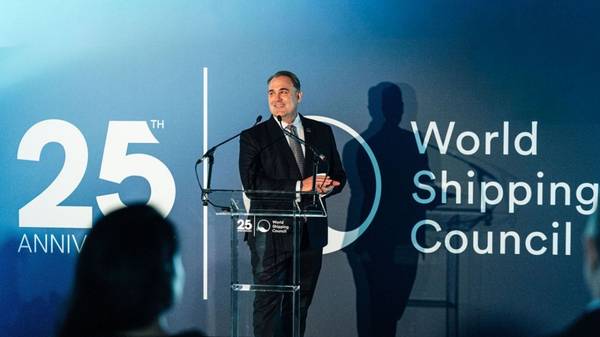
Joe Kramek, WSC. Dual-fuel fleet passes 500 ships as investment tops $200bn  

World Shipping Council data shows dual-fuel container ships and vehicle carriers growing fast, with IMO rules uncertain.

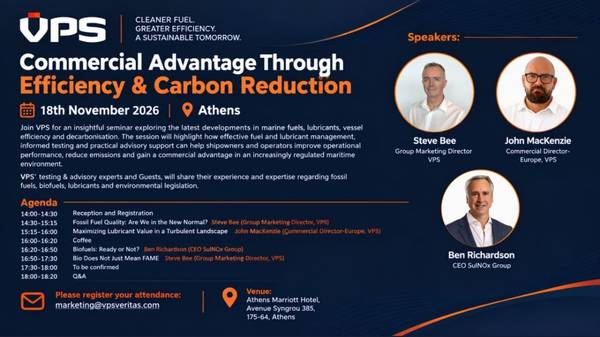
VPS Carbon Reduction seminar in Athens graphic. VPS to host Athens seminar on fuel efficiency and carbon reduction  

VPS's final European round table of 2026 will cover marine fuels, lubricants and decarbonisation in Athens.

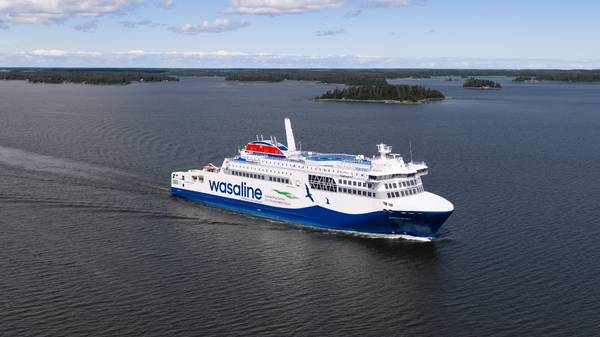
Aurora Botnia vessel. Wasaline secures locally produced biogas supply from St1 Biokraft for Vaasa–Umeå ferry  

Agreement will supply 42 GWh of liquefied biogas annually, with deliveries due to start in January 2028.

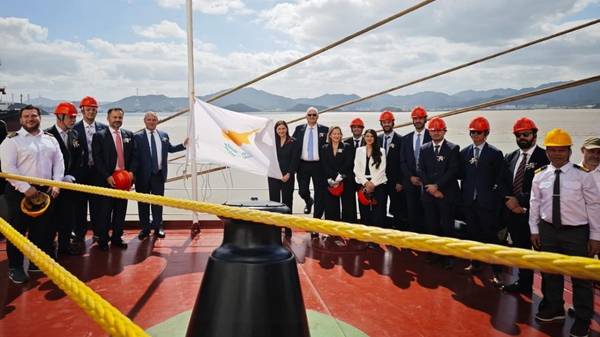
Kypros Island delivery ceremony. Safe Bulkers takes delivery of first dual-fuel methanol Kamsarmax newbuild  

Kypros Island becomes the first dual-fuel bulker to enter the Cyprus Registry.

Singapore waterfront skyline. PetroChina seeks LNG bunker trader to expand Asian marine fuel business  

Role requires five to ten years of commercial experience in LNG, bunker trading, marine fuels, commodities, or energy trading.

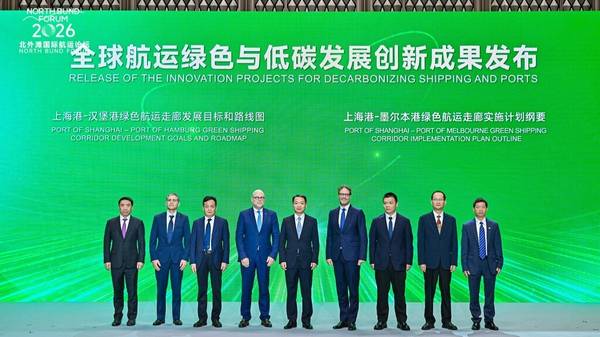
Shanghai–Melbourne Green Shipping Corridor (GSC). Shanghai and Melbourne ports move green shipping corridor into delivery phase  

Ports launch implementation plan targeting green methanol, biofuels and shore power by 2035.