
 |
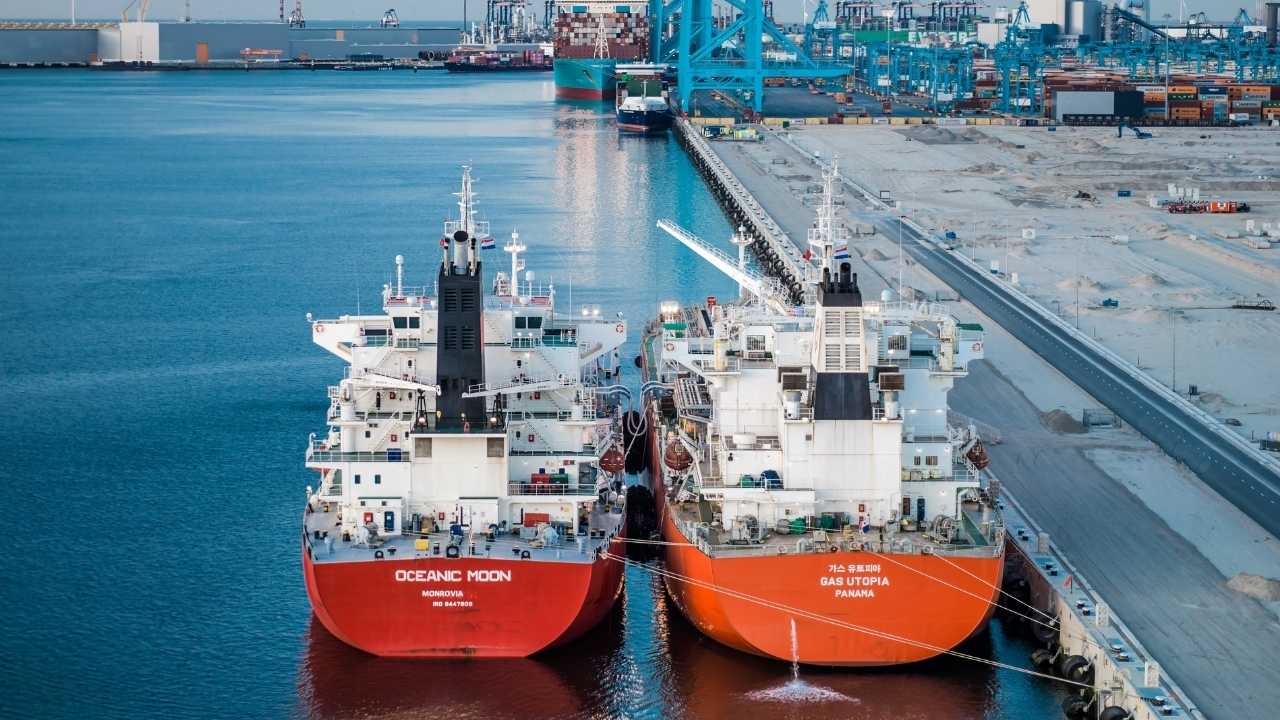
The Port of Rotterdam has demonstrated that ship-to-ship ammonia bunkering can be carried out within an active port environment, according to findings from the EU-funded MAGPIE project.
A full-scale simulation of a ship-to-ship ammonia bunkering operation was conducted in the Port of Rotterdam on 12 April 2025. The demonstration report, consolidated by the Maersk Mc-Kinney Møller Center for Zero Carbon Shipping and project partners, is now available to provide practical guidance for ports considering ammonia fuel operations.
The project validated the Port of Rotterdam's port safety framework for ammonia as a fuel, as well as the International Association of Ports and Harbours' (IAPH) Port Readiness Tool. According to the report, the demonstration showed that ammonia bunkering within port limits is operationally feasible when planned and executed within a robust safety and regulatory framework.
Ammonia is being considered as an alternative fuel for shipping as the sector transitions away from fossil fuels to meet climate targets. However, the fuel's specific hazards pose safety, operational and regulatory challenges. The MAGPIE report notes that without competent operators, fit-for-purpose equipment and robust safety and regulatory frameworks, ammonia bunkering cannot take place safely in ports.
Bo Cerup-Simonsen, CEO of the Maersk Mc-Kinney Møller Center for Zero Carbon Shipping, stated: "The project delivers practical learnings, validation sheets and recommendations that can be used by ports globally to build confidence in ammonia bunkering and to inform future port permitting and regulatory processes. The results support the EU's ambition for green ports and the safe deployment of alternative fuels in the maritime sector."
Boudewijn Siemons, CEO of the Port of Rotterdam, commented: "The energy transition requires new, integrated value chains. This ammonia bunker pilot is an important step in developing a complete value chain for alternative fuels, from import to application in shipping. Together with our partners, we demonstrate that innovation, safety and scalability can go hand in hand. Rotterdam plays a connecting role as an energy and logistics hub for Northwest Europe."
The comprehensive ammonia bunkering demonstration report provides the industry with practical lessons and a validated port safety framework that other ports can potentially use as a blueprint for ammonia bunkering operations.
MAGPIE (sMArt Green Ports as Integrated Efficient multimodal hubs) is a European project focused on developing, testing and demonstrating solutions for sustainable and smart port logistics. The project aims to facilitate the decarbonisation of port-related transport through digitisation and automation solutions.
The Maersk Mc-Kinney Møller Center for Zero Carbon Shipping is an independent, not-for-profit research and development centre established in 2020 with funding from the A.P. Moller Foundation. The centre works with partners across the maritime industry to accelerate decarbonisation.
The Port of Rotterdam handled approximately 428 million tonnes of freight in 2025, with around 27,384 seagoing vessels and 93,680 inland vessels calling annually.
|
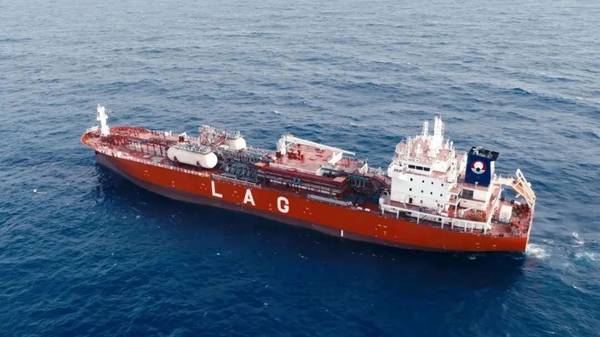
China delivers first domestically built ammonia-fuelled gas carrier
CCS-classed vessel becomes the world's second ammonia-fuelled gas carrier, testing rules for the IMO's zero-carbon shipping transition. |
|
|
|
||
|
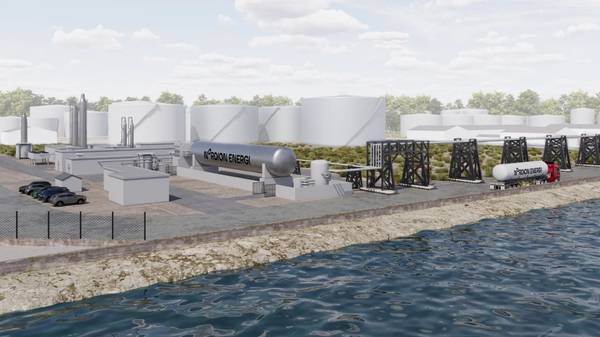
Storage tank installed as Gothenburg's LBG bunkering plant advances towards 2027 completion
Nordion Energi's liquefied biogas facility at the Port of Gothenburg takes a step forward with tank installation. |
|
|
|
||
|
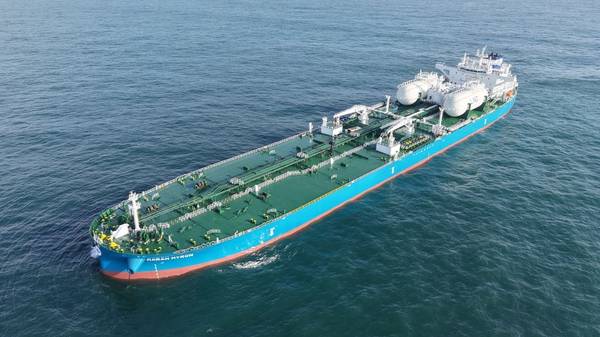
Maran Tankers takes delivery of dual-fuel Suezmax Maran Myron
Vessel is sixth dual-fuel tanker in eight-vessel series built by New Times Shipbuilding. |
|
|
|
||
|
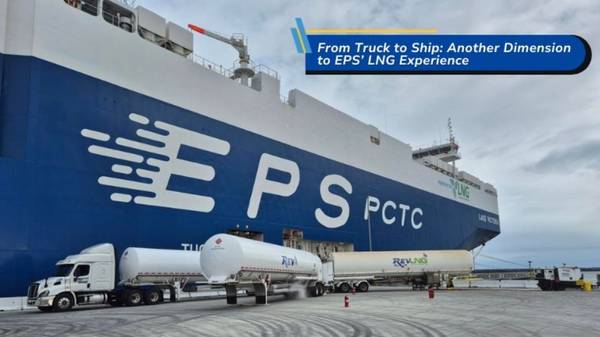
EPS completes first truck-to-ship LNG bunkering operation in Davisville
Fuel delivered to the pure car and truck carrier Lake Victoria whilst at berth. |
|
|
|
||
|
MPA opens applications for LNG floating storage unit licences
Singapore invites applications for up to two LNG floating storage unit licences to bolster bunkering supply resilience. |
|
|
|
||
|
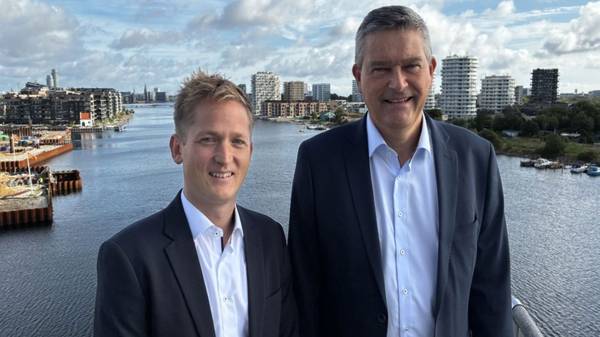
Everllence's small-bore GenSet orders surpass 2,000 in 2026
Engine maker reports strong order intake across its small-bore portfolio, citing demand for reliable, fuel-flexible auxiliary power. |
|
|
|
||
|
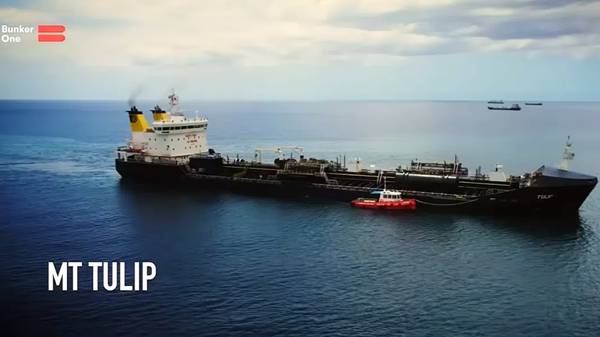
Bunker One renews MT Tulip charter, plans mass flow meter upgrade in Mauritius
Bunker One is keeping its bunker tanker in Mauritius while adding flow metering technology to improve delivery transparency. |
|
|
|
||
|
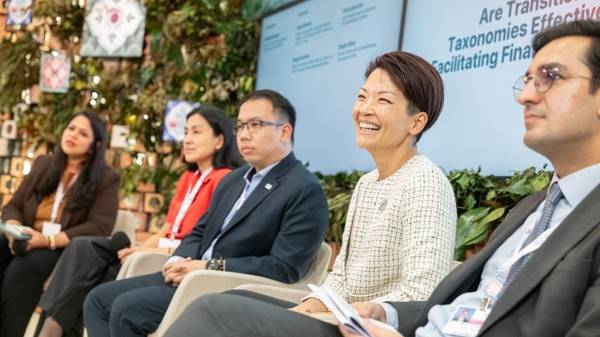
Fund for Energy Efficiency Technologies becomes first to adopt revised Singapore-Asia Taxonomy
FEET's adoption coincides with Lloyd's Register's independent review of GCMD's methodology for quantifying fuel savings from wind-assisted propulsion systems. |
|
|
|
||
|
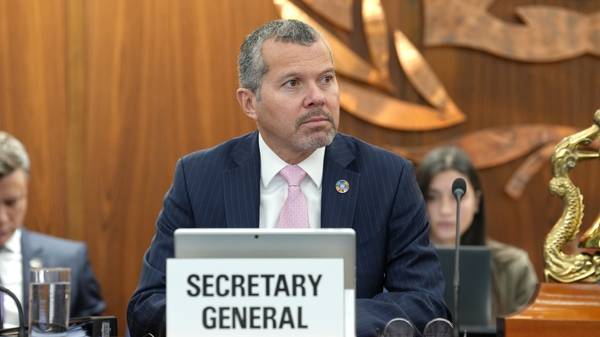
IMO chief urges states to enforce safety rules in Strait of Hormuz amid rising attacks
Arsenio Dominguez says more than 130 attacks on commercial vessels have been verified since February, with at least 25 seafarers killed. |
|
|
|
||
|
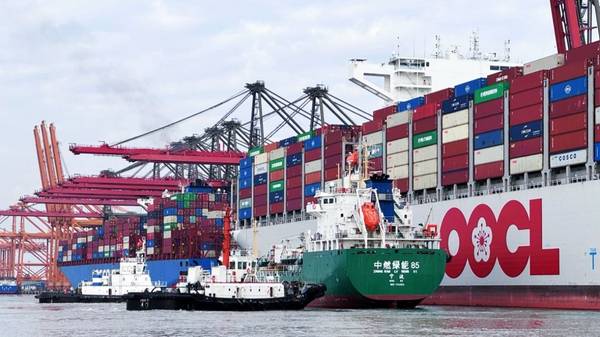
Xiamen Port launches 'green methanol bunkering' with OOCL Wisdom
Boxship received 1,005 tonnes of methanol, corresponding to a reduction of more than 1,600 tonnes in carbon emissions, says COSCO Shipping. |
|
|
|
||
| US Coast Guard agrees design framework for hydrogen-fuelled New York ferry [News & Insights] |
| EmissionLink urges EU to channel ETS revenues into shipping carbon capture trials [News & Insights] |
| LR publishes retrofit guidance covering alternative fuels and energy-saving devices in one framework [News & Insights] |
| Singapore launches ammonia bunkering code and new standards for fuel sampling and polymer testing [News & Insights] |
| IMO sub-committee finalises revised methanol fuel safety guidelines [News & Insights] |
