

|
H2SITE closes Series B round above €42m to scale hydrogen membrane technology
Fresh capital secured as firm targets large-scale industrial deployment and expansion into Asian markets. |
|
|
|
||
|
MHI study points to cost reduction potential in India-to-Singapore green ammonia value chain
Mitsubishi Heavy Industries analysis finds value chain optimisation could cut green ammonia costs. |
|
|
|
||
|
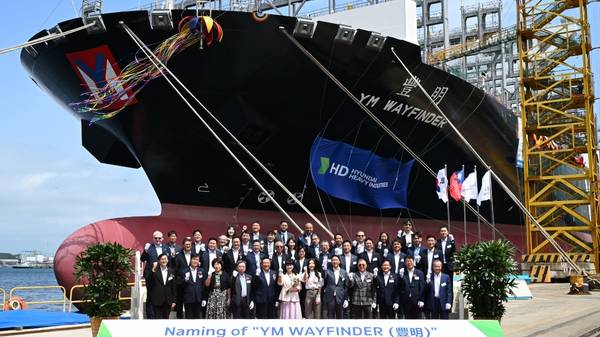
Yang Ming names third LNG dual-fuel boxship for Asia–North Europe service
YM Wayfinder joins two sister vessels already operating on LNG on the FE3 route. |
|
|
|
||
|
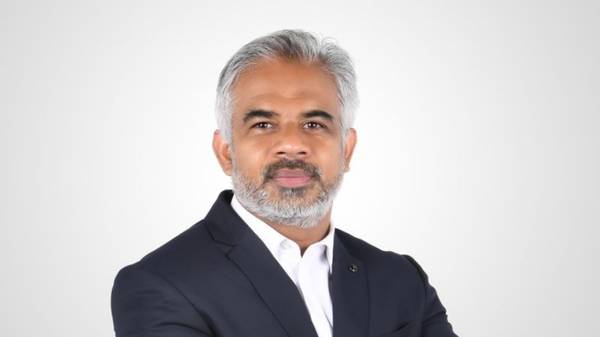
Flex Commodities appoints Milind Homkar as trade controller
Dubai-based trader brings in finance and audit specialist to lead trade control function. |
|
|
|
||
|
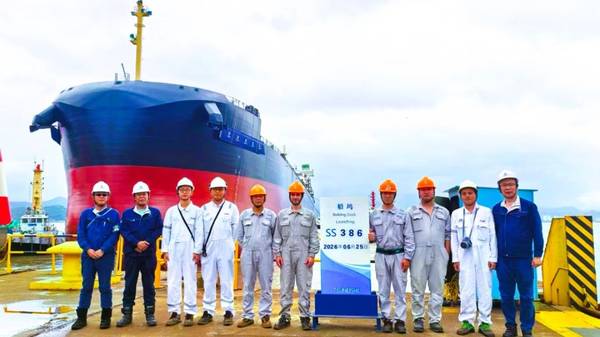
Safe Bulkers launches first methanol dual-fuel bulk carrier at Chinese shipyard
Greek dry bulk operator launches first methanol-powered vessel as part of its fleet renewal programme. |
|
|
|
||
|
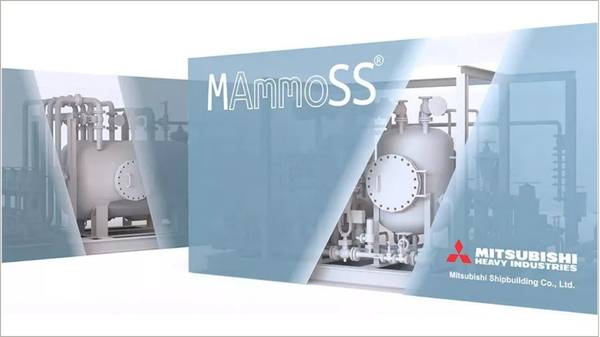
Mitsubishi Shipbuilding receives order for ammonia fuel handling system
MAmmoSS system will support shop testing of ammonia marine engines from two licensors. |
|
|
|
||
|
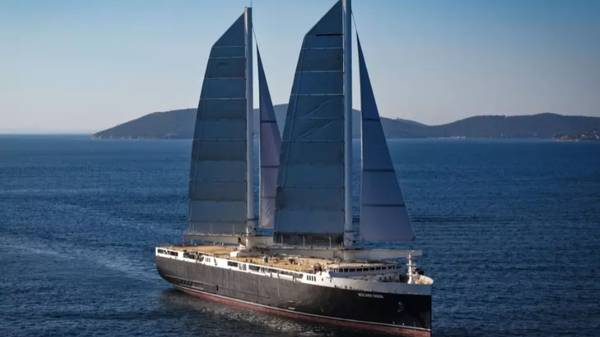
Kongsberg Maritime to lead EU Horizon project targeting wind-assisted propulsion at scale
A 15-partner European consortium will use two full-scale vessel demonstrators to validate wind propulsion technology. |
|
|
|
||

|
Petrobras warns of extended MGO and VLSFO supply suspension at Port of Itaqui
Fuel distributor announces pipeline maintenance shutdowns affecting both MGO and VLSFO supply. |
|
|
|
||
|
PowerCell secures SEK 50m marine fuel cell order for two liquid hydrogen cargo ships
Swedish fuel cell maker wins contract to power two North Sea hydrogen vessels by 2028. |
|
|
|
||
|
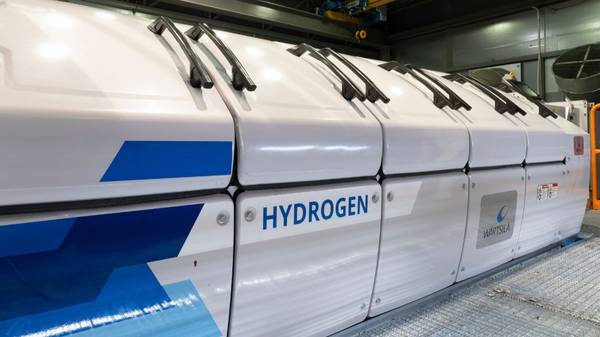
MatH2 consortium launched to tackle hydrogen materials barriers
New Finnish-led alliance targets materials compatibility challenges holding back hydrogen adoption. |
|
|
|
||
| Oil firm buys 10 fuel oil cargoes [News & Insights] |
| Oil firm issues fuel oil tender [News & Insights] |
| Bunker service launched in Pakistan [News & Insights] |
| Oil firm imports 780,000 mt of HSFO [News & Insights] |
| PSO rejects FAL fuel oil cargo - source [News & Insights] |
| Vitol Bunkers launches HSFO supply in Pakistan after four-year hiatus [News & Insights] |
| Cockett to be closed down after 45 years [News & Insights] |
| Avenir LNG begins construction of second 20,000 cbm bunkering vessel in China [News & Insights] |
| Vitol launches Pakistan bunker operations with first large-scale IMO-compliant fuel production [News & Insights] |

