
| Year | Bunker Sales (million tonnes) |
| 2006 | 28.4 |
| 2007 | 31.5 |
| 2008 | 34.9 |
| 2009 | 36.4 |
| 2010 | 40.9 |
|
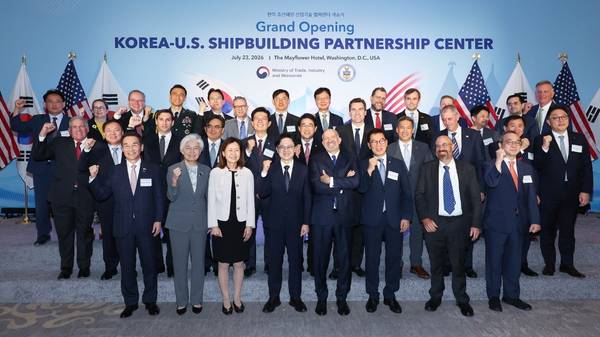
ABS grants AiP for LNG bunkering barge design
Samsung Heavy Industries and Conrad Shipyard receive AiP for basic design under joint development. |
|
|
|
||
|
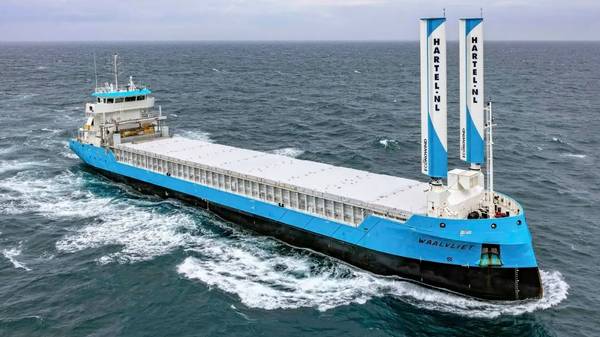
ABB and Econowind combine wind propulsion with digital routing to cut ship emissions
The partnership integrates wind-assisted propulsion with weather routing to reduce fuel consumption. |
|
|
|
||
|
Peninsula seeks junior cargo trader for Dubai role
Position centres on the procurement of marine fuels, blending components and associated products. |
|
|
|
||
|
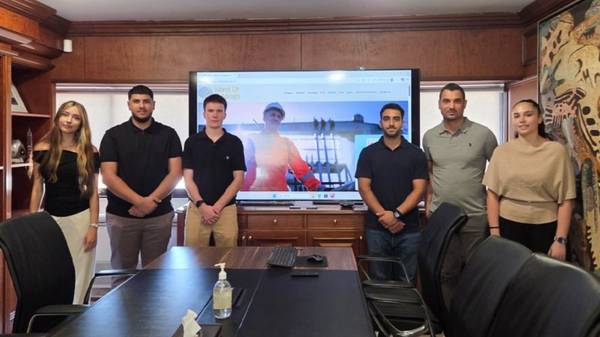
Island Oil opens operations to students in summer internship programme
Cyprus-based firm gives students hands-on experience across its bunker business. |
|
|
|
||
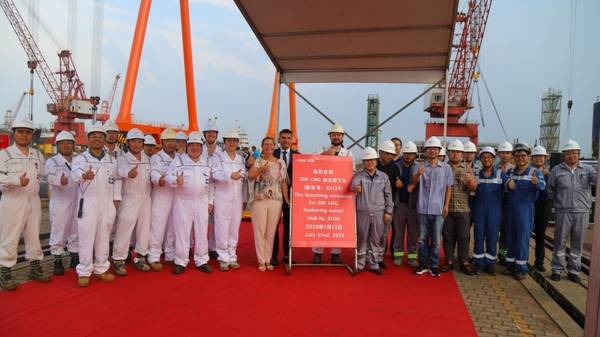
|
New 20,000-cbm LNG bunkering vessel for Somtrans Group launched at Chinese yard
Exmar’s newbuilding supervision team oversaw the launch at CIMC Group’s shipyard in Qidong, China. |
|
|
|
||
|
BP seeks bunker trader for Singapore marine sales role
Selected candidate will be responsible for key accounts, day-to-day marketing and marine trading. |
|
|
|
||
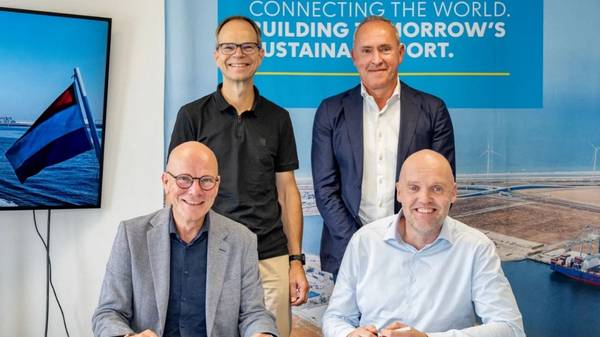
|
Van Oord consortium completes first phase of Rotterdam’s Yangtze Canal widening
The project will enable two-way traffic for container vessels of up to 24,000 TEU. |
|
|
|
||
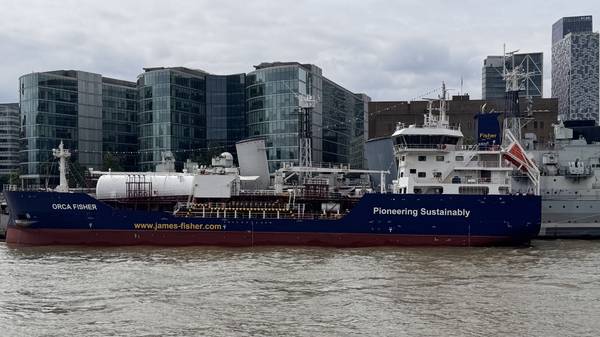
|
James Fisher’s first LNG-capable chemical tanker named at London ceremony
The Orca Fisher is the first of four dual-fuel FKAB T68 vessels built in China. |
|
|
|
||
|
World Kinect marine segment posts record quarterly gross profit amid bunker price volatility
Marine division delivers its best-ever quarterly result as the conflict in the Middle East drives bunker price swings. |
|
|
|
||
|
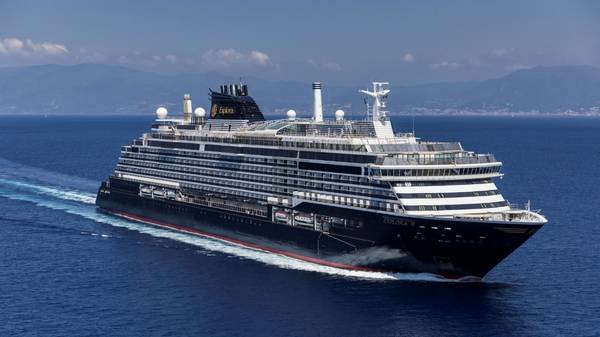
Explora Journeys takes delivery of first LNG-powered ship in its fleet
Explora III, delivered by Fincantieri in Genoa, marks the brand’s first LNG-fuelled vessel. |
|
|
|
||
| Record 380-cst sales for Singapore in October [News & Insights] |
| CMA CGM names 400th owned vessel as methanol-fuelled containership [News & Insights] |
| ClassNK grants world-first approval for ammonia-fuelled bulk carrier with Type B fuel tanks [News & Insights] |
| CMA CGM takes delivery of fifth methanol dual-fuel boxship in series from Jiangnan Shipyard [News & Insights] |
| Bureau Veritas classes first methanol dual-fuel boxship as CMA CGM takes delivery [News & Insights] |
| Hanwha Ocean claims world's first ship-to-ship LNG transfer during sea trials [News & Insights] |

