
|
Lloyd’s Register and Maersk Mc-Kinney Møller Center launch ammonia safety and training resources for shipping
New tools aim to help operators build the safety management and competency frameworks needed for ammonia-fuelled vessels. |
|
|
|
||
|
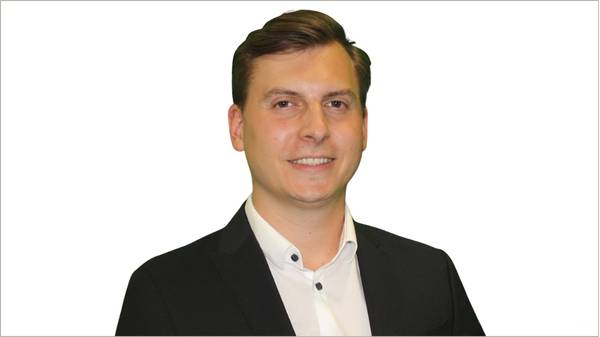
IBT Bunkering & Trading appoints Kevin Döhmen to manage new Singapore office
Döhmen tasked with developing IBT’s operation in the Asian city-state. |
|
|
|
||
|
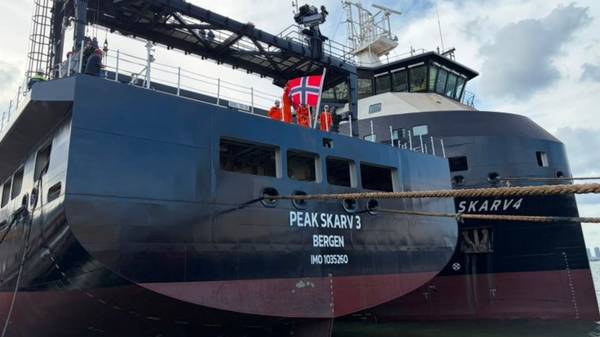
Peak takes delivery of third S-class vessel and cuts steel for ammonia-fuelled ship
Norwegian operator marks two events at Chinese yard as ammonia-powered newbuild programme advances. |
|
|
|
||
|
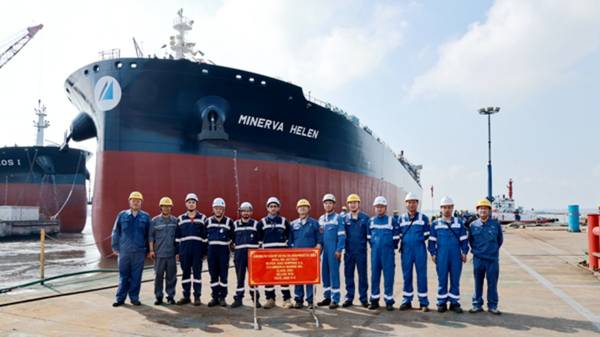
New Times Shipbuilding launches LNG dual-fuel tanker for Minerva
112,500-dwt Minerva Helen launched at shipyard in Jiangsu, China. |
|
|
|
||
|
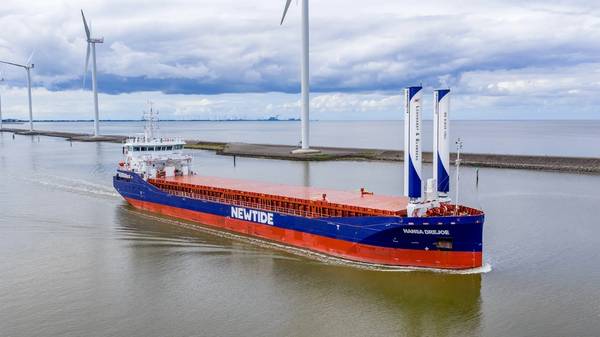
Leonhardt & Blumberg equips first of four newbuilds with Econowind VentoFoils
German shipowner installs wind-assisted propulsion technology aboard general cargo vessel Hansa Drejoe. |
|
|
|
||
|
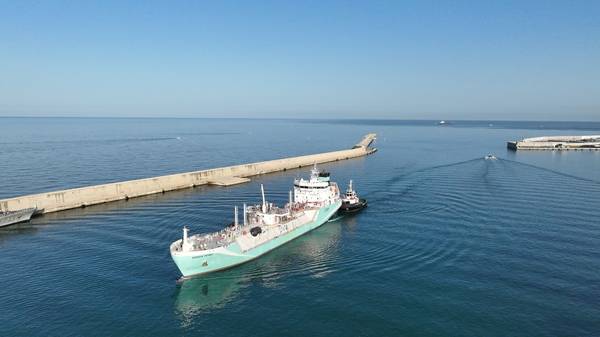
Axpo and Vitol launch LNG bunkering at the Port of Civitavecchia
Operation marks the extension of Axpo’s LNG bunkering network to third major Italian port. |
|
|
|
||
|
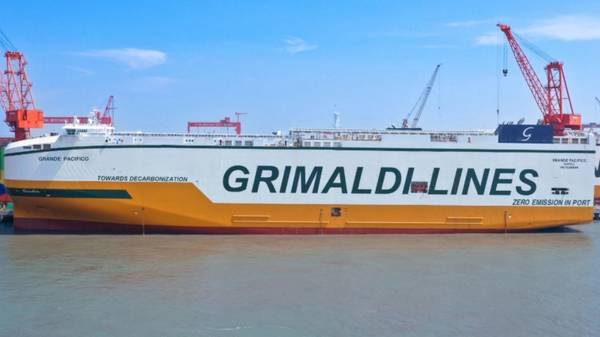
Grimaldi takes delivery of ammonia-ready Grande Pacifico
9,800-ceu ship is the largest PCTC in the Neapolitan Group’s fleet and the first of five sister vessels on order. |
|
|
|
||
|
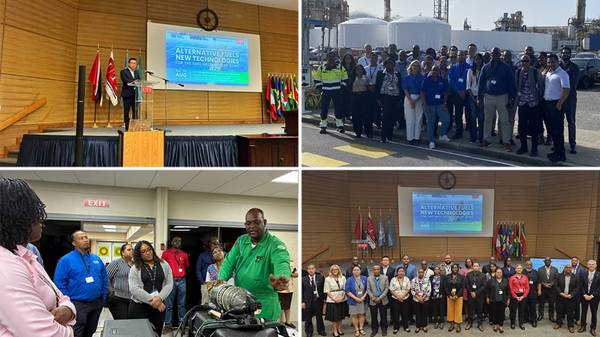
IMO seminar in Trinidad and Tobago trains Caribbean maritime educators for the alternative fuels era
A five-day regional seminar in Port of Spain addressed ammonia, methanol and hydrogen training for seafarers. |
|
|
|
||
|
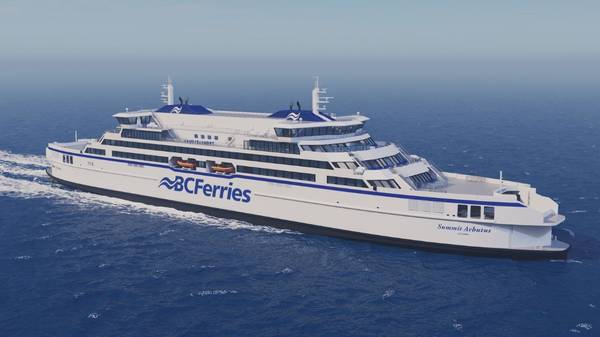
Corvus Energy wins 40 MWh battery contract for BC Ferries’ new biofuel-compatible Summit Class vessels
Norwegian battery supplier to power four new hybrid-electric ferries for Canada’s BC Ferries. |
|
|
|
||
|
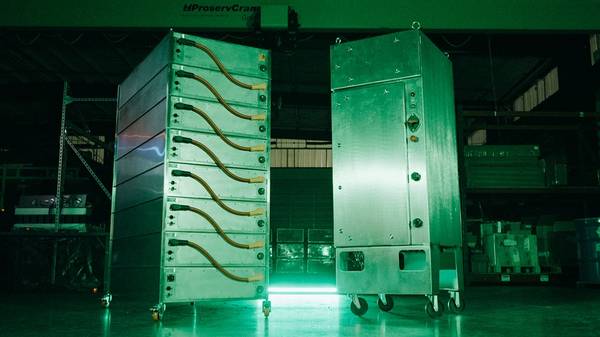
ABS issues product design assessment for Fleetzero’s Leviathan battery system
The first US-manufactured lithium iron phosphate marine battery system receives classification society approval. |
|
|
|
||
| Superyacht growth in New Zealand [News & Insights] |
| Agreement to buy Shell NZ downstream assets [News & Insights] |
| Shell NZ signs letter of intent [News & Insights] |
| RINA approves design for Clippership's 24-metre autonomous wind-powered cargo vessel [News & Insights] |
| Fincantieri delivers LNG-ready cruise ship Mein Schiff Flow to TUI Cruises [News & Insights] |
| Port of Oslo introduces fee structure rewarding zero-emission vessels [News & Insights] |
| New Gothenburg lease an opportunity to expand green portfolio: Inter Terminals [News & Insights] |
| NYK, Yanmar and Eneos to install hydrogen fuel cell system on new Tokyo dining cruise vessel [News & Insights] |

