Wed 16 Jun 2010, 10:11 GMT

'Common sense' approach to ISO 8217 needed


Leading marine fuel testing and consultancy service, Lloyd’s Register’s FOBAS, is advising that ship owners take a “common sense” approach towards the adoption of the new ISO 8217:2010 specification.

The revised ISO 8217:2010 represents a substantial advance over the previous 2005 standard and has prompted widespread debate within the shipping industry and the fuel supply community. A number of changes which have been incorporated into the new standard will promote the safe use of marine residual fuels and distillates recognising the fact that the industry is entering into a new realm of multi blend fuels driven by ever increasing environmental regulation. Furthermore, users are provided with added protection against the supply of poor quality fuels.

Douglas Raitt, Global FOBAS Manager, said: “This revision of the ISO 8217 standard has seen a number of improvements, particularly with regards to distillates. With the increasing emphasis on the environmental impact of marine fuels and consequently decreasing sulphur content, the new standard takes into account the potential and realistic movement towards automotive diesel fractions and bio derived components finding their way into the marine distillate stream, which may have adverse effects on ships’ engines. More work needs to be done by the industry to gauge the effects of bio derived blended fuels on marine propulsion applications.”

“FOBAS’s experience of the last revision in 2005 was that the uptake of that edition was very slow with less than 50% of FOBAS’s clients adopting the standard within a year of release. It took nearly two years before the majority of FOBAS clients had adopted the standard. Given the comparatively further reaching changes in the 2010 edition it may well be that uptake could potentially be slower this time around.”

“The ISO 8217 standard is a commercial contractual specification as opposed to a legally enforced standard. It remains to be seen how much of the fuel that will be supplied through the new specification will be readily available after the release of the new standard. There may be issues in the short term as the entire marine fuel supply chain will have to adopt the new standard in their contractual terms of sale at various points in the custody chain. Furthermore it may take a while before ship operators/charterers en?masse buy fuels based on the new standard as it depends on what charter party bunker fuel clauses stipulate.”

Raitt said regardless of the rate of adoption of the forthcoming 2010 standard, a variety of tests such as lubricity and oxidation stability for distillates and H2S for both residual and distillate fuels will be introduced into fuel testing requirements by the new standard. These tests are designed to increase the boundaries of quality control by suppliers and provide controls on characteristics that may need to be examined in the event of any operational issues or suspected concerns from a particular port.

“Not all these tests are necessarily required for every bunker and FOBAS will determine the need for testing on a case-by-case basis,” Mr Raitt said. “FOBAS uses a unique analysis reporting system to advise clients on fuel quality and onboard operational handling that rates fuel as green, amber or red, depending on how well it meets the required specification and the ship’s requirements.”

“FOBAS will continue to take a practical, common sense approach to advising our clients,” Raitt said.

“Ultimately, a more flexible approach is required as it is not only about comparing fuel quality against the ISO specification tables, but determining fitness for purpose for particular fuel system designs. The fuel standard is fundamentally a commercial agreement between buyers and sellers and FOBAS will continue to help its stakeholders ascertain the best way of handling and managing fuels,” Raitt concluded.


Dubai skyline. Oilmar seeks senior bunker trader for Dubai office  

Experienced trader with proven P&L responsibility sought by UAE-headquartered firm.

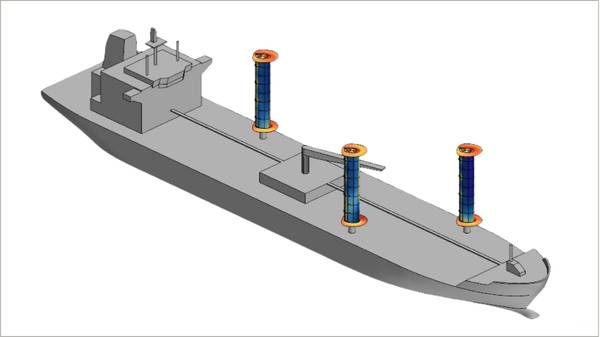
CFD simulation of vessel with three eSAILs. ABS reviews bound4blue’s Pwind calculation methodology for eSAIL wind propulsion systems  

Independent review aims to ease regulatory compliance and accelerate adoption of suction sail technology.

Port of Rotterdam aerial view. Port of Rotterdam appoints new programme manager for bunkering  

Astrid Sonnevelt has a background in renewable products, business development and emissions reduction.

Merlion statue in Singapore. Oilmar seeks bunker trader for Singapore office  

Marine fuels trading role open to mid-level and senior-level candidates.

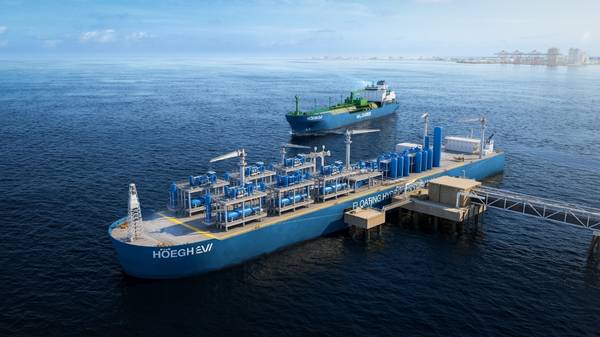
Floating hydrogen terminal render. Höegh Evi and Nord Gas Solutions complete ammonia-to-hydrogen cracking tests in Norway  

Pilot cracker achieves 99.5% hydrogen purity, supporting floating terminal deployment plans across Europe.

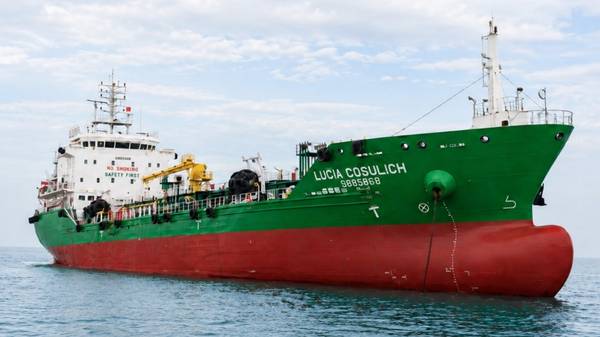
Lucia Cosulich vessel. Fratelli Cosulich Marine Energy takes delivery of second methanol-ready bunker tanker  

Lucia Cosulich is second of four sister vessels in the group’s fleet expansion programme.

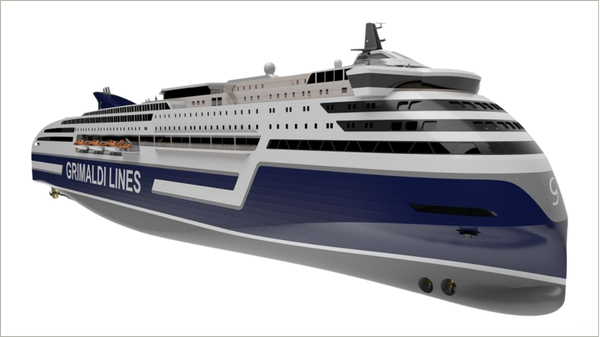
Grimaldi ro-ro passenger vessel render. AYK Energy secures nine-vessel battery deal with Grimaldi Group  

New ro-pax vessels will feature multi-fuel engines capable of running on methanol.

World Fuel logo. World Fuel hiring Korean-speaking bunker trader for Singapore hub  

Bunker trader sought to cover Korea and the wider region.

Aerial view of a container vessel. EU ETS 2026 review raises cost predictability concerns for European shippers  

European Shippers' Council warns that carbon market reforms could affect logistics planning and competitiveness.

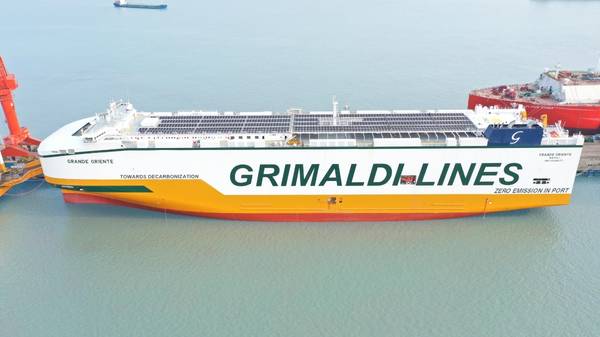
Grande Oriente vessel. Grimaldi takes delivery of 12th ammonia-ready car carrier Grande Oriente  

Naples-based firm says its latest PCTC halves fuel consumption compared with earlier-generation vessels.