
 |
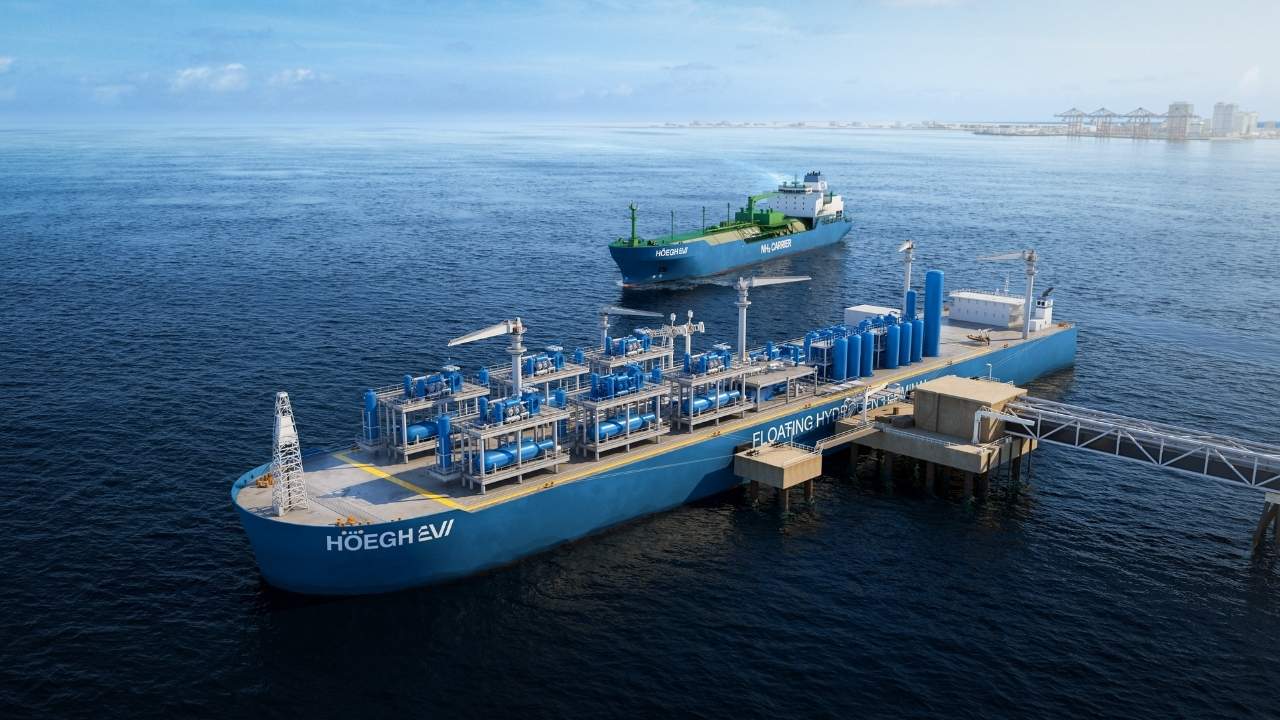
Höegh Evi and Nord Gas Solutions (formerly Wärtsilä Gas Solutions) have announced the completion of performance testing of an ammonia-to-hydrogen cracking unit at the Sustainable Energy pilot plant in Stord, Norway.
The pilot cracker is claimed to have demonstrated high performance across a range of parameters including conversion rate, efficiency, hydrogen yield and operational flexibility. Operating through what is described as a single, stable process, the unit converts ammonia into hydrogen at a purity level exceeding 99.5%.
The cracker features a modular design that the companies say is optimised for adaptability and scalability, making it suitable for deployment in both floating terminals and land-based applications. Höegh Evi is currently developing floating terminals with the claimed capacity to deliver hydrogen at an industrial scale of up to 200,000 tonnes per year.
Nils Jakob Hasle, EVP Clean Energy at Höegh Evi, commented: "Höegh Evi is very pleased with the testing results of our ammonia-to-hydrogen cracker, which has demonstrated high performance, stability and efficient conversion from ammonia to hydrogen. This milestone further confirms the case for floating terminals as a fast and competitive path to implementing hydrogen at scale. We look forward to validating these results further in long-term testing."
Taro Mukae, VP Technology at Nord Gas Solutions, stated: "This successful testing phase marks an important milestone in validating ammonia cracking as a reliable and scalable pathway to hydrogen. The results confirm both the efficiency and operational robustness of our technology, supporting its readiness for deployment in industrial-scale applications."
European ports are emerging as a gateway where import terminals can receive ammonia and convert it to hydrogen. Together with partners, Höegh Evi is progressing the development of several maritime terminals across Europe where the ammonia cracking technology is planned for deployment on floating or onshore terminals.
The technology development has received financial support from the Norwegian Green Platform programme. The consortium behind the project includes BASF, contributing to catalyst supply; the University of South-East Norway; Sustainable Energy; and the Norwegian Institute for Energy Technology (IFE).
Höegh Evi, which has operated floating storage and regasification units (FSRUs) for importing natural gas for 50 years, is involved in the development of floating terminals for ammonia and hydrogen import, the world’s first floating ammonia-to-hydrogen cracker, and services for carbon transport and permanent storage.
Nord Gas Solutions is a provider of systems and lifecycle solutions for the gas value chain, with a focus on marine gas handling, gas-to-power, liquefaction and biogas.
|
Wind-assisted propulsion 'no longer just a concept', ICS panel says
Shipowners weigh wind power as a practical, low-risk route towards decarbonisation targets. |
|
|
|
||
|
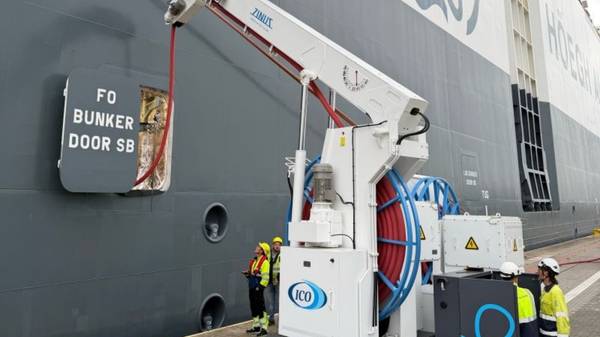
Höegh Autoliners vessel connects to shore power for the first time in Europe
Höegh Starlight used 11 kV shore power in Zeebrugge, allowing it to switch off its auxiliary engines while alongside. |
|
|
|
||
|
Chinese shipbuilder ROC signs deal for up to eight methanol-ready CSOVs
Contract signed with European shipowner for vessels designed for offshore wind farm maintenance work. |
|
|
|
||
|
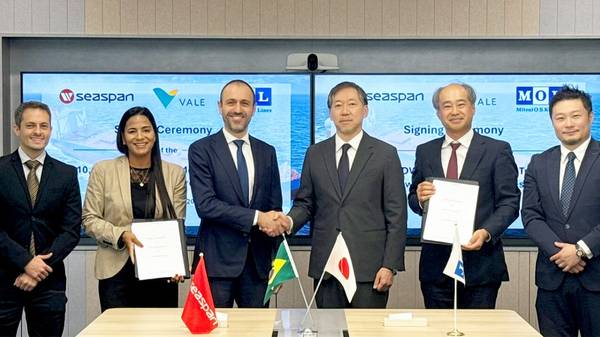
MOL and Vale sign 25-year deal for tri-fuel ore carriers
New vessels will be able to run on ethanol, methanol or heavy fuel oil, offering fuel flexibility. |
|
|
|
||

|
ScanOcean appoints Lars Malmbratt as senior commercial manager
Swedish firm strengthens commercial team with experienced industry executive based in Gothenburg. |
|
|
|
||
|
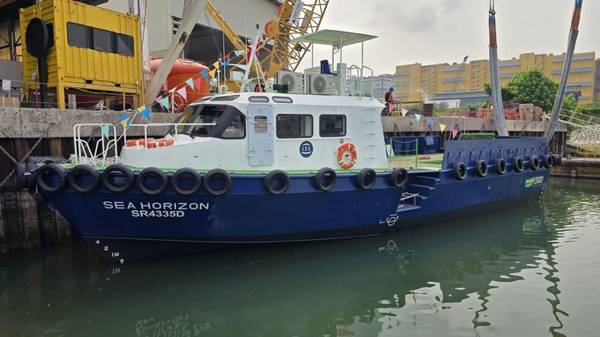
Pinnacle Marine launches second B100-compatible harbour craft for Les Star
Sea Horizon joins Singapore’s harbour craft fleet. |
|
|
|
||
|
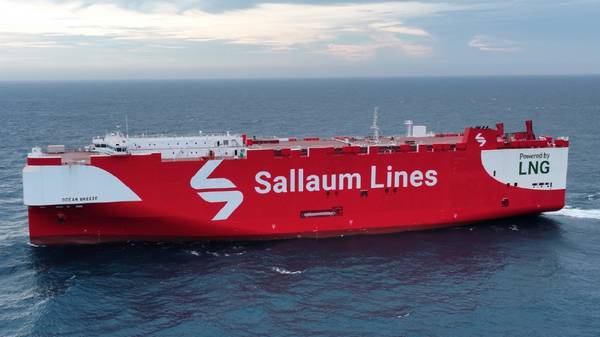
Sallaum Lines orders LNG-fuelled, ammonia-ready PCTCs from Chinese yards
Operator signs shipbuilding agreements for new generation of 8,600-CEU vessels, taking its newbuild investment past $1bn. |
|
|
|
||
|
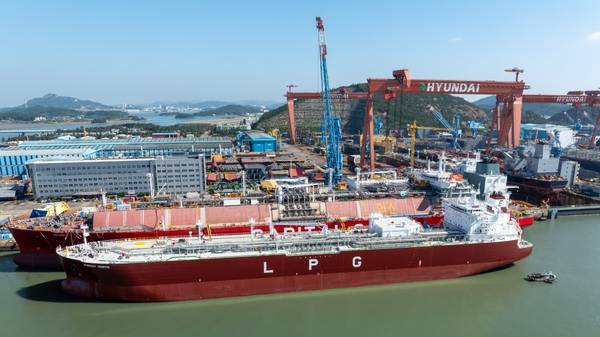
Nakilat takes delivery of dual-fuel carrier in South Korea
Ammonia-ready design positions vessel to play key role in future low-carbon energy supply chains, says Qatari firm. |
|
|
|
||
|
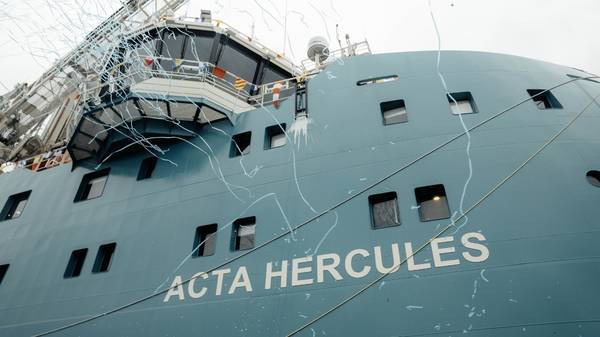
Acta Marine christens methanol dual-fuel vessel Acta Hercules in IJmuiden
Dutch operator marks the christening of its second newbuild CSOV. |
|
|
|
||
|
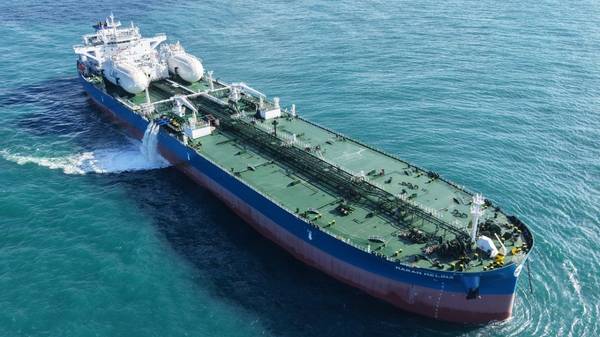
Angelicoussis Group takes delivery of fifth dual-fuel Suezmax tanker
Maran Tankers Management adds the 155,500-DWT Maran Melina to its fleet. |
|
|
|
||
| Höegh Autoliners vessel connects to shore power for the first time in Europe [News & Insights] |
| Maersk completes first US ethanol bunkering of a deep-sea container ship [News & Insights] |
| Maersk completes first US ethanol bunkering of a deep-sea container ship [News & Insights] |
| HD Hyundai completes type approval test for new LNG dual-fuel engine [News & Insights] |
| TFG Marine fits mass flow meter to Jamaica-bound bunker barge [News & Insights] |
