

|
Angelicoussis Group seeks senior marine fuels desk lead in Athens
Greek shipping group advertises senior bunker procurement role requiring 15 years' experience. |
|
|
|
||

|
BP seeks marine commercial manager in London to support global marine fuels business
Role at BP Marine falls under BP's GDIST unit — part of its Trading & Shipping (T&S) division. |
|
|
|
||
|
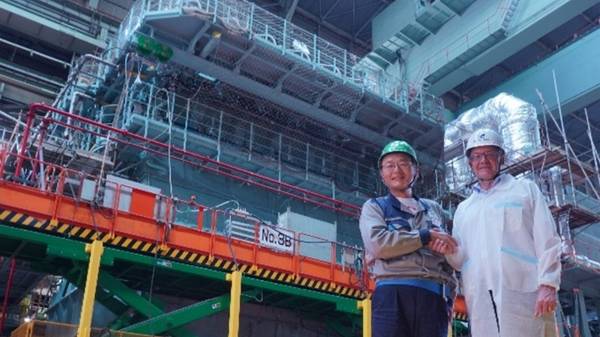
Mitsui E&S completes factory acceptance test of Japan’s first WinGD methanol dual-fuel engine
Engine set to be installed on the first of four vessels being built for a domestic shipowner. |
|
|
|
||
|
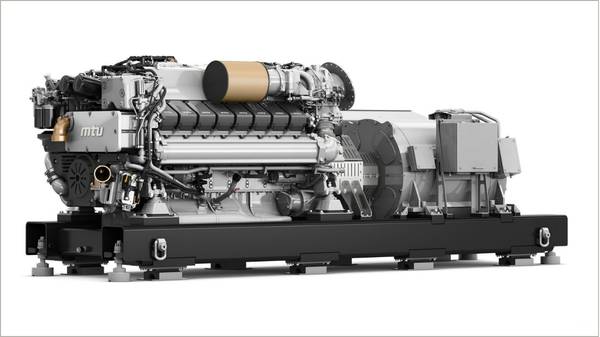
Rolls-Royce Power Systems to showcase variable-speed gensets and SCR systems at SMM 2026
New mtu Series 2000 units claim up to 15% fuel and CO₂ savings over constant-speed alternatives. |
|
|
|
||
|
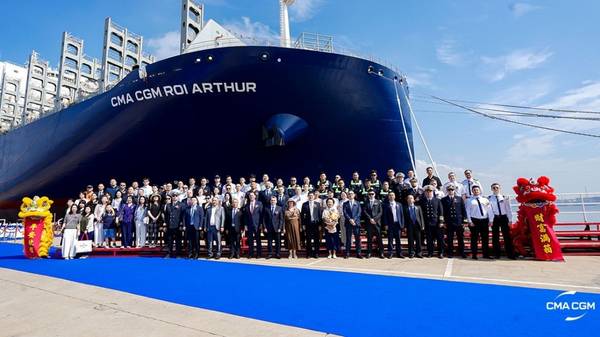
CMA CGM names 15,000-teu methanol-powered vessel Roi Arthur
Newbuild joins the French carrier's REX2 service connecting East Asia with the Red Sea. |
|
|
|
||
|
Quadrise and Licella update joint development agreement to advance HTL-derived marine biofuels
Amended deal sets a clearer testing roadmap for bio-oil-based emulsion fuels for shipping. |
|
|
|
||
|
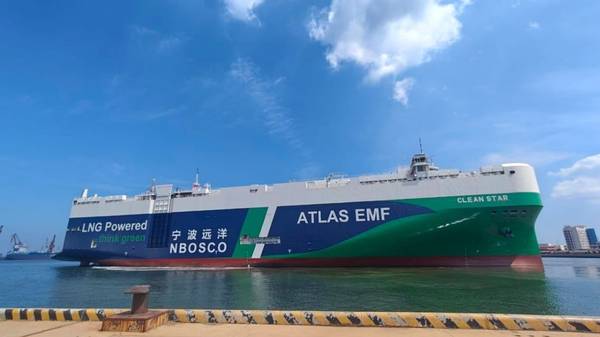
Atlas Maritime takes delivery of dual-fuel LNG PCTC, secures $80,000/day charter
The 7,000 RT car carrier has been placed on a two-year time charter at a rate Atlas calls record-breaking. |
|
|
|
||
|
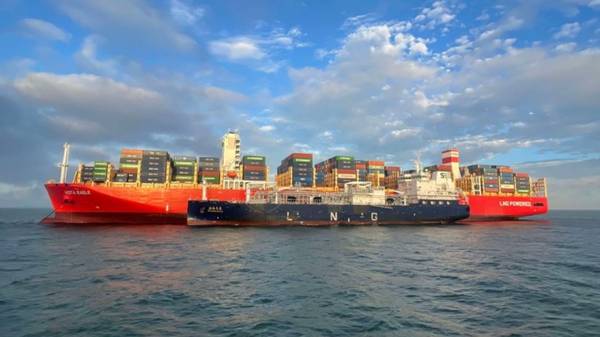
PIL’s Kota Eagle helps Shanghai pass 2 million cbm LNG bunkering mark
Milestone said to have been reached when boxship received 4,549 cbm of LNG from SIPG Energy’s LNG bunkering vessel. |
|
|
|
||
|
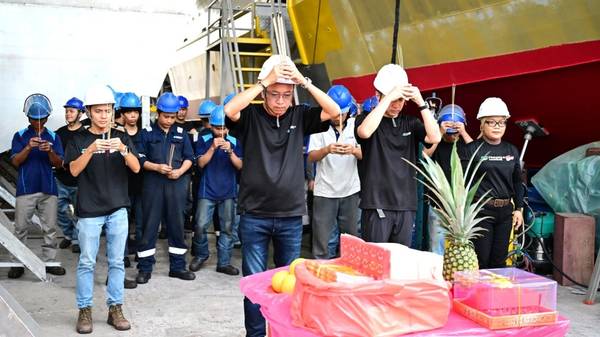
Pinnacle Marine lays keel for fourth B100-compatible harbour craft in Singapore newbuild programme
Singapore operator expands its B100-compatible fleet amid strong chartering demand. |
|
|
|
||
|
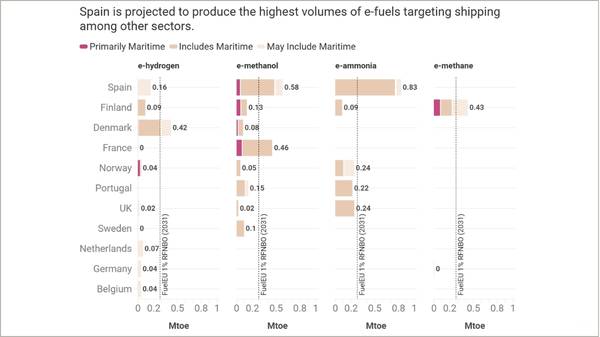
Europe risks falling behind China in race to produce e-fuels for shipping
Europe has 69 e-fuel projects but only six are operational, while China is scaling rapidly. |
|
|
|
||
| Fuel oil blender cuts costs in Africa [News & Insights] |
| Aegean acquires double-hull bunkering tanker [News & Insights] |
| Durban refinery completes maintenance [News & Insights] |
| New Gothenburg lease an opportunity to expand green portfolio: Inter Terminals [News & Insights] |
| Yanmar to build hydrogen engine test facility in Japan by 2029 [News & Insights] |

