
 |
Effective December 1, Martin Vorgod is due to take the helm as Chief Executive Officer (CEO) of fuel hedging firm Global Risk Management (GRM). Currently serving as the Chief Commercial Officer (CCO), Vorgod has been instrumental in driving the company's focus on enhancing its operations and fostering closer ties with maritime clients whilst embracing the green transition through innovative solutions in energy and emission certificates.
Vorgod’s leadership journey is backed by a wealth of experience in sales and commodity trading, particularly during his time as Global Head of FX Sales at Danske Bank. There, he played a pivotal role in the bank's commodity trading strategies and was noted for revitalising its foreign exchange trading operations while based in New York. His efforts reportedly contributed to establishing a strong corporate culture within the bank, further solidifying his reputation as a strategic and effective leader.
As CCO at GRM, Vorgod is said to have achieved commendable results, successfully securing new clients and strengthening existing partnerships. This track record positions him well for his upcoming role as CEO, where he aims to build on his extensive familiarity with the company and its operations. He will succeed Peder Møller, who is set to transition into the role of Chief Operating Officer (COO) at Bunker Holding Group.
With his appointment, Vorgod is tasked with steeting GRM towards future growth, focusing on innovative approaches and expanding its market presence in an increasingly competitive landscape.
|
Kuehne+Nagel seeks marine energy pricing analyst in Greece
Logistics firm recruiting for role focused on bunker pricing formulas and compliance cost analysis. |
|
|
|
||
|
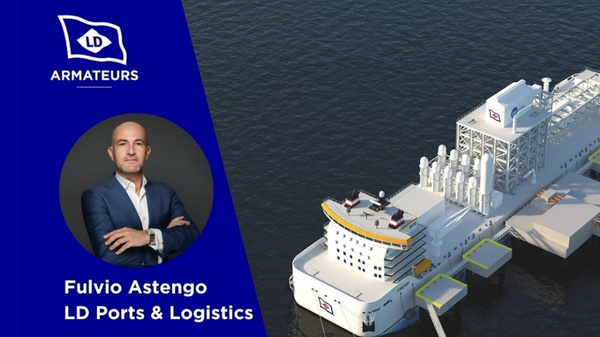
LD Armateurs to present floating ammonia terminal concept at London energy conference
French shipowner to showcase FRESH platform design for offshore hydrogen and ammonia supply chains. |
|
|
|
||
|
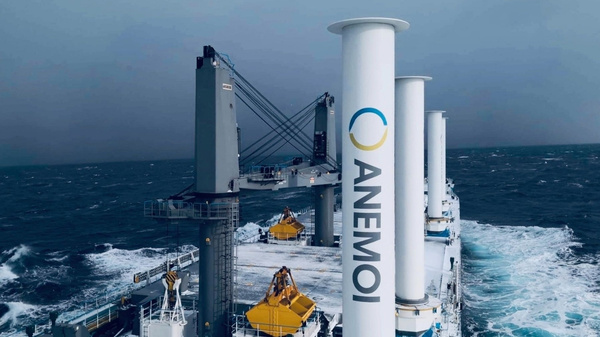
Anemoi rotor sails complete eight years of operation on bulk carrier M/V Afros
Lloyd’s Register survey finds no operational issues with wind propulsion system after extended service. |
|
|
|
||
|
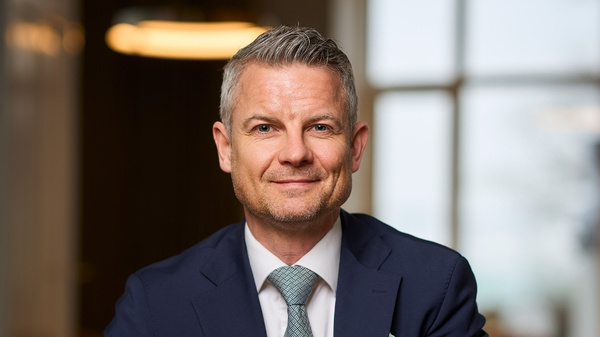
Bunker Holding promotes Mikkel Kannegaard to chief operating officer
Kannegaard has led transformation of supply organisation since joining in August 2025. |
|
|
|
||

|
Uni-Fuels seeks general manager for London bunker trading desk
Nasdaq-listed marine fuel supplier recruits for commercial leadership role with P&L responsibility. |
|
|
|
||

|
NE Atlantic ECA will cause significant change to the current fuel mix | Steve Bee, VPS
The possibility of off-spec issues highlights the continuing need for proactive fuel testing to protect vessels. |
|
|
|
||
|
Smart ships failing to convert data into actionable intelligence, warns SmartSea
Maritime technology firm claims vessels collect vast amounts of data but lack integration to support decision-making. |
|
|
|
||

|
DNV forecasts 100-fold growth in clean hydrogen by 2060, with China leading expansion
Classification society projects $3.2tn investment in hydrogen sector, with maritime accounting for 15% of clean hydrogen use. |
|
|
|
||

|
Dual-fuel container ship and vehicle carrier fleet surpasses 1,200 vessels
World Shipping Council reports 65% year-on-year increase in operational dual-fuel vessels to 440 ships. |
|
|
|
||
|
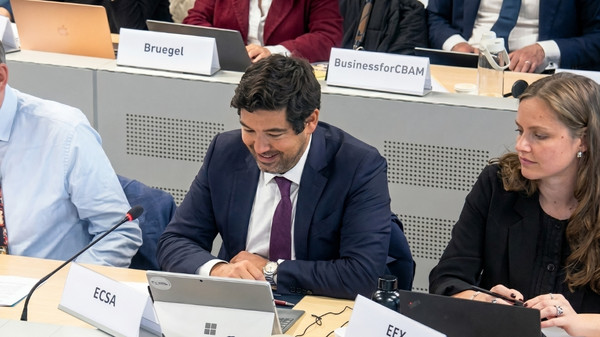
European Shipowners calls for ETS revenue investment and fuel supplier mandate
ECSA urges the EU to invest €9bn in annual ETS revenues in fuel production and infrastructure. |
|
|
|
||
| Bunker Holding revamps commercial department and management team [News & Insights] |
| Dorthe Bendtsen named interim CEO of KPI OceanConnect [News & Insights] |
| Dan-Bunkering posts profit rise in 2023-24 [News & Insights] |
| EBT down 45.8% for Glander International Bunkering [News & Insights] |
| USTC files press complaint against Ekstra Bladet over Nordic Waste coverage [News & Insights] |
| Bunker Holding executive to address biofuels at Berlin event [News & Insights] |
| Bunker Holding appoints Peder Møller as new CEO to replace Keld Demant [News & Insights] |
| Bunker Holding to absorb Baseblue into KPI OceanConnect by April 2026 [News & Insights] |
| Maria Skipper Schwenn steps down from IBIA board [News & Insights] |
