
 |
Marine fuel supplier Peninsula has confirmed the recent conclusion of its maiden B30 biofuel supply deal in Zeebrugge, Belgium.
The delivery, which took place on March 24, was performed by Peninsula's supply tanker New York and involved the refuelling of the Garnet Leader vehicles carrier, operated by Nippon Yusen Kabushiki Kaisha (NYK).
Peninsula's B30 biofuel is a blend comprising 30% ISCC EU-certified sustainable used cooking oil methyl ester (UCOME), which is said to provide an 84% reduction in GHG emissions.
Commenting on the milestone delivery, Peninsula's Head of Biofuels Desk, Nikolas Nikolaidis, said: "As the maritime industry, along with prominent players like NYK, intensifies their adoption of Sustainable Marine Fuels (SMF), the accessibility of such solutions grows in significance. Peninsula is committed to collaborating closely with our established clients and partners to deliver SMF solutions where demand is highest. Peninsula is broadening its biofuel supply network, positioning itself as the leading physical marine fuel supplier to offer comprehensive biofuel solutions across multiple regions and ports for our customers."
Kaori Takahashi, General Manager of NYK's Fuel Group, remarked: "NYK is proud to collaborate with Peninsula in this pioneering supply of B30 biofuel, which underscores our dedication to environmental sustainability and innovation in the maritime sector. By leveraging sustainable biofuels like B30, we are taking meaningful strides towards reducing greenhouse gas emissions. NYK remains dedicated to driving positive change within the industry while meeting the evolving demands of our customers and stakeholders."
|
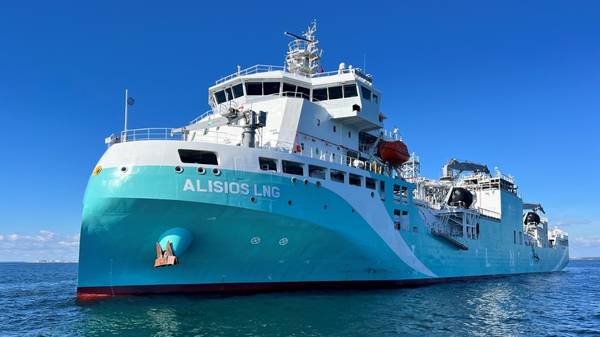
Axpo completes first LNG bunkering in Valencia, with over half bio-LNG
Ship-to-ship transfer to a container vessel makes Valencia the company's fourth Spanish port for LNG bunkering. |
|
|
|
||
|
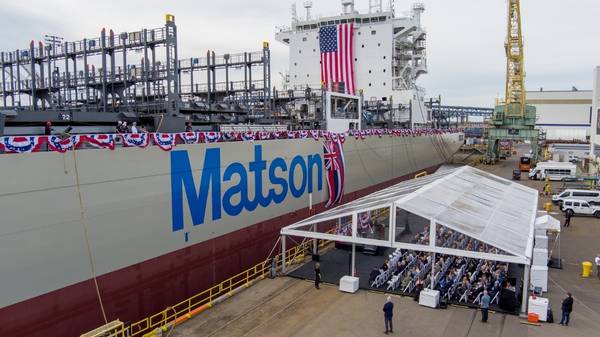
Matson christens Makua, first of three LNG-ready Aloha Class container ships
Dual-fuel vessel, due for delivery in early 2027, is the first of three ships worth around $1bn. |
|
|
|
||
|
CMB.Tech seeks Singapore-based ammonia operations manager for Asia Pacific
New hire will oversee ammonia chartering and bunkering and liaise with Far East partners. |
|
|
|
||
|
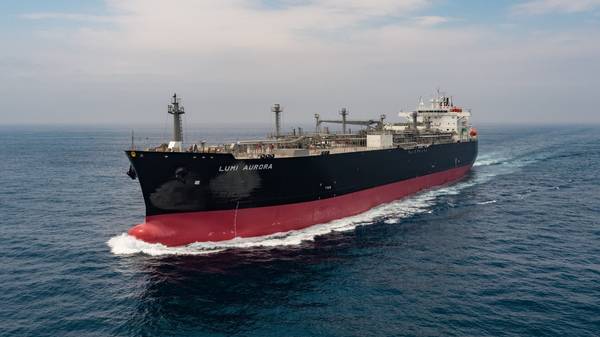
IINO Lines deploys first Ice Class IB VLGC on long-term charter to Borouge International
LPG-fuelled Lumi Aurora will carry North American gas to Borouge International's Porvoo plant in Finland. |
|
|
|
||
|
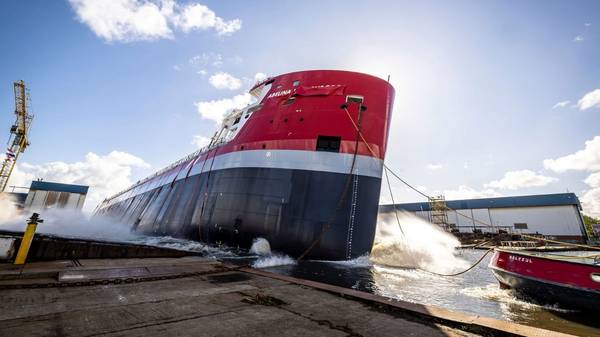
Wagenborg launches first EasyMax 2.0 vessel, prepared for methanol, ammonia and LNG
Abelina Wagenborg, built at Niestern Sander, is the first of a new generation designed for multiple alternative fuels. |
|
|
|
||
|
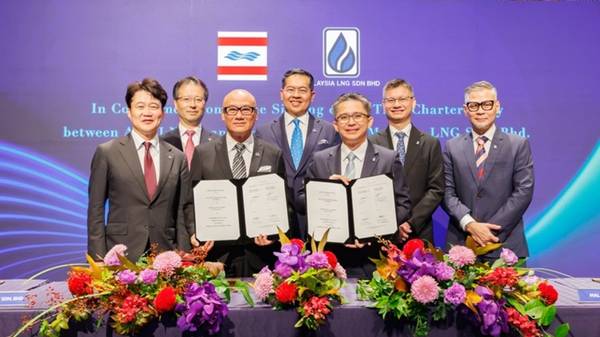
NYK–MISC joint venture signs charter for 18,700-cbm LNG carrier with Malaysia LNG
Asia LNG Transport will operate the dual-fuel diesel-electric newbuild, due from Hudong-Zhonghua in 2028, on routes to Japan. |
|
|
|
||

|
Study finds methanol dual-fuel retrofit of Kamsarmax bulk carrier would take about 75 days
Report by Mærsk Mc-Kinney Møller Center, involving Tsuneishi, puts conversion costs at 25–30% of the cost of a conventionally fuelled newbuilding. |
|
|
|
||
|
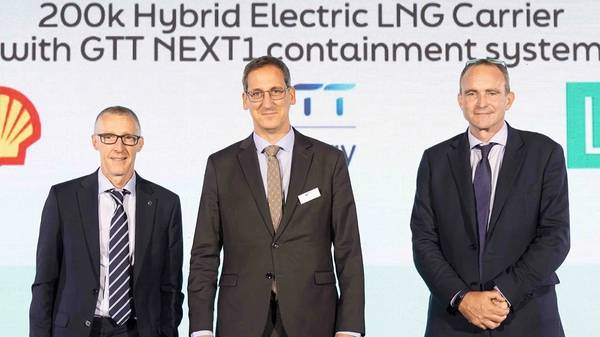
Lloyd's Register, Shell and GTT launch joint project on hybrid-electric 200,000-cbm LNG carrier
Partners to develop a concept combining hybrid-electric propulsion with GTT NEXT1 cargo containment technology for larger LNG carriers. |
|
|
|
||
|
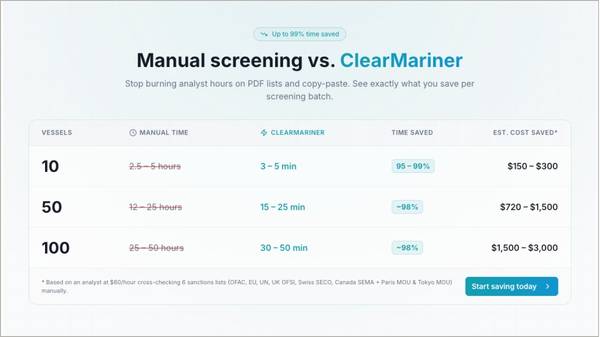
ClearMariner expands maritime sanctions screening with ESG, emissions and API support
Online service now combines sanctions checks with voyage CO₂, CII, EU ETS and FuelEU Maritime estimates. |
|
|
|
||

|
Flex Commodities adds Long Jing Xin to Singapore marine fuels team
Company appoints associate for marine fuels as part of plan for regional expansion. |
|
|
|
||
| Peninsula launches B100 bunker vessel in Barcelona [News & Insights] |
| Axpo completes first LNG bunkering in Valencia, with over half bio-LNG [News & Insights] |
| NYK–MISC joint venture signs charter for 18,700-cbm LNG carrier with Malaysia LNG [News & Insights] |
| CMB.Tech's Mineral Europa starts maiden voyage as first ammonia-powered dry bulk vessel [News & Insights] |
| WinGD signs global service agreement for TMS Cardiff Gas LNG carrier newbuilds [News & Insights] |
| LNG bunkering vessel Kaguya completes 200th ship-to-ship operation in Japan [News & Insights] |
