
 |
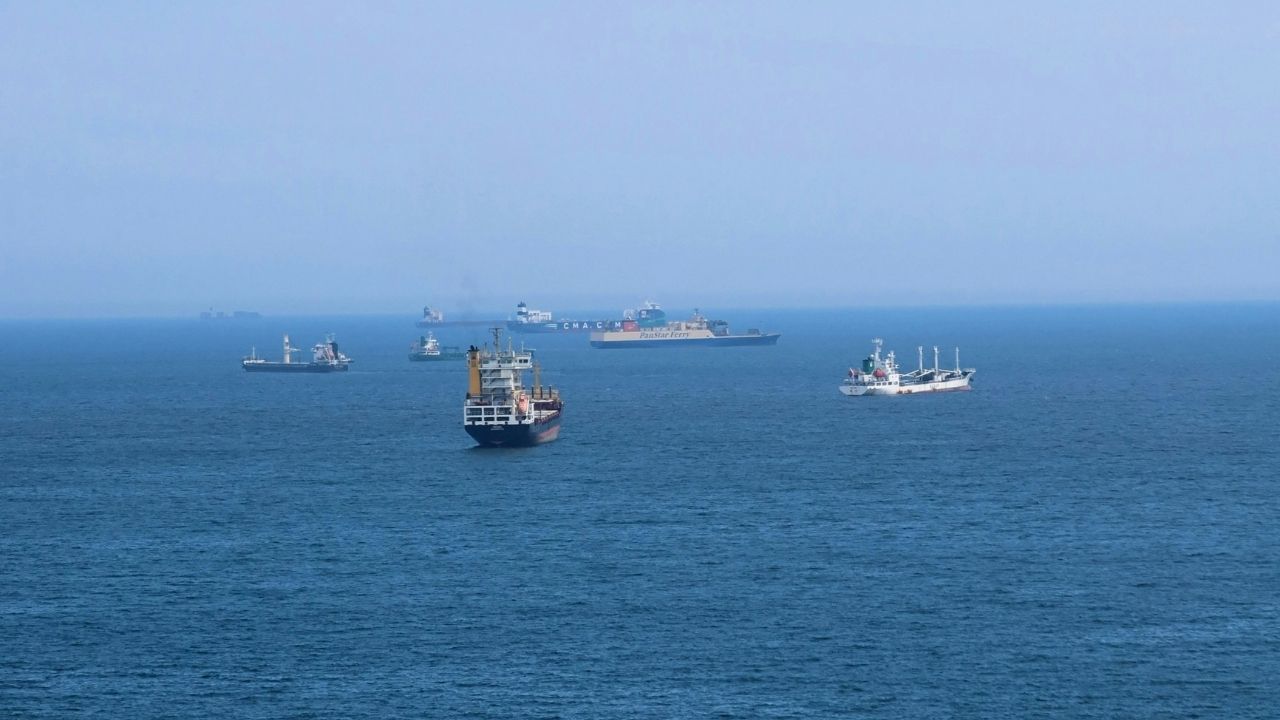
Shipowners face mounting pressure to make long-term investment decisions without clarity on the regulatory environment that will ultimately govern their fleets, according to DNV’s 10th Maritime Forecast to 2050.
The report, which examines four possible regulatory scenarios, finds that stronger global regulation could enable the global fleet to consume up to 25% less energy by 2050 compared with a scenario in which regulation remains regionally fragmented. At the other extreme, outright rejection of the IMO’s net-zero framework (NZF) could result in a prolonged period of regulatory gridlock.
Cristina Saenz de Santa Maria, CEO Maritime at DNV, stated: “Ships ordered today will operate well beyond 2050, but many of the factors shaping their future performance remain uncertain. Regulatory requirements are advancing faster than the fuel, infrastructure, and technological systems needed to support them, making long-term investment decisions increasingly complex. The industry therefore needs greater clarity and alignment among all stakeholders to provide the confidence required for long-term investment. In the meantime, shipowners need strategies that deliver benefits today while remaining resilient across a range of regulatory and market outcomes.”
Energy efficiency as a near-term lever
The report identifies energy efficiency as one of the most immediate options available to shipowners, with DNV arguing it can deliver value regardless of how regulation develops. A case study of a hydrodynamic retrofit on a 5,000-TEU container vessel showed potential annual fuel savings of 16%, with a payback period of approximately one to four years, depending on future fuel prices. DNV notes that retrofits of this nature can add similar value across many ship types and can typically be completed during a standard class-renewal dry-docking with sufficient planning.
Low-GHG fuel market uncertainty
The development of the marine low-greenhouse-gas (GHG) fuel market remains a key challenge, according to the report. DNV projects shipping demand for low-GHG fuels could range from 4 to 22 million tonnes of oil equivalent (Mtoe) by 2030 and from 33 to 185 Mtoe by 2050, depending on the regulatory outcome. Uptake, the report notes, will also be shaped by the future adoption of shore power, plug-in hybridisation, nuclear power, and onboard carbon capture systems.
Current project pipelines point to a maximum global supply of 270 Mtoe by 2030, though DNV cautions that actual volumes are likely to be lower due to project delays and other uncertainties. Shipping will also need to compete with other sectors for its share of available supply.
The cost of reducing emissions varies considerably between fuel pathways, according to the report, with abatement costs ranging from approximately $180 to $1,290 per tonne of CO₂ avoided — a spread that, DNV says, underlines the role of regulation and market incentives in enabling low-GHG fuel markets to develop.
Scenario-based strategy
Øyvind Sekkesæter, lead author of the Maritime Forecast to 2050, said: “Scenarios explored in this year’s report show how different regulatory futures can lead to very different outcomes in energy efficiency uptake, fuel demand, and consequently, GHG emissions. By testing fuel and technology choices across multiple scenarios, shipowners can identify strategies that create value today while preserving flexibility as regulation, fuel availability, prices, and technologies evolve. Strategies that each owner chooses will also be dependent on their fleet type and operating context.”
|
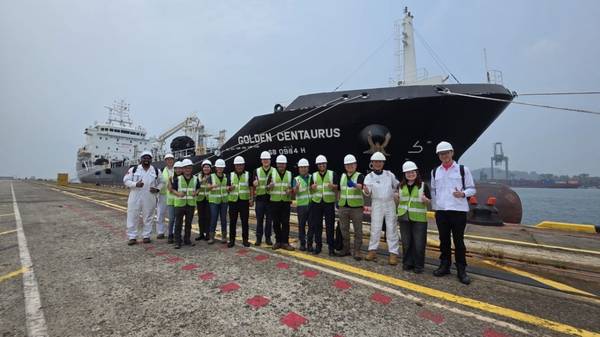
Singapore safety council inspects methanol bunker tanker Golden Centaurus
NMSSC members 'encouraged' by integration of structural and operational safety into newly commissioned IMO Type II vessel. |
|
|
|
||
|
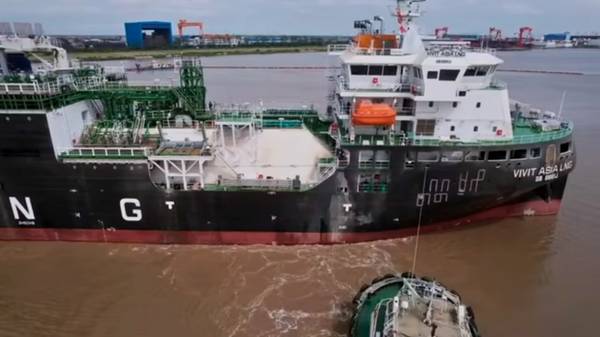
Vitol to start LNG bunkering in Asia from late 2026 after vessel sea trials
12,500-cbm Vivit Asia LNG completes trials, with regional operations due to begin later this year. |
|
|
|
||

|
PetroChina International seeks bunker sales manager to grow European marine fuels business
The state oil major’s trading arm is hiring in Rotterdam or London to expand bunker sales across the ARA region. |
|
|
|
||

|
WinGD signs global service agreement for TMS Cardiff Gas LNG carrier newbuilds
WinGD will support six dual-fuel engines on three new LNG carriers for the Athens-based operator throughout their operational lives. |
|
|
|
||
|
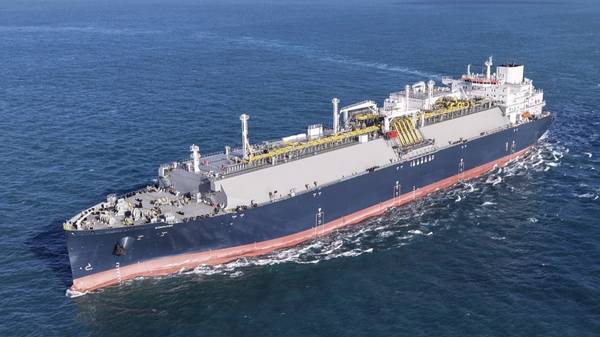
Yangzijiang Xinfu delivers first 175,000-cbm LNG carrier built by Chinese private shipyard
Vessel features two dual-fuel MAN B&W 5G70ME-C10.5-GA-EGR engines fitted with cryogenic units. |
|
|
|
||
|
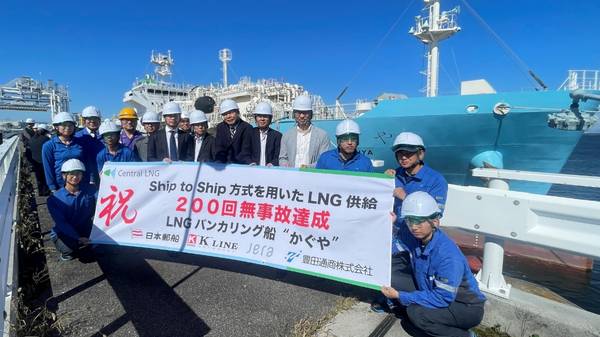
LNG bunkering vessel Kaguya completes 200th ship-to-ship operation in Japan
K Line’s joint venture vessel reaches milestone in Mikawa Bay. |
|
|
|
||
|
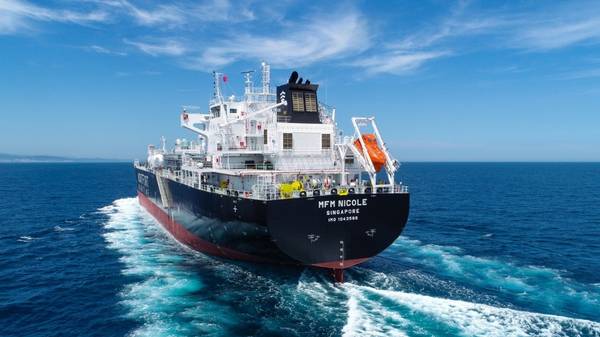
Synergy Marine adds dual-fuel LPG carrier to managed fleet
MFM Nicole joins Synergy’s gas carrier portfolio as owners weigh fuel choices ahead of MEPC 85 negotiations. |
|
|
|
||
|
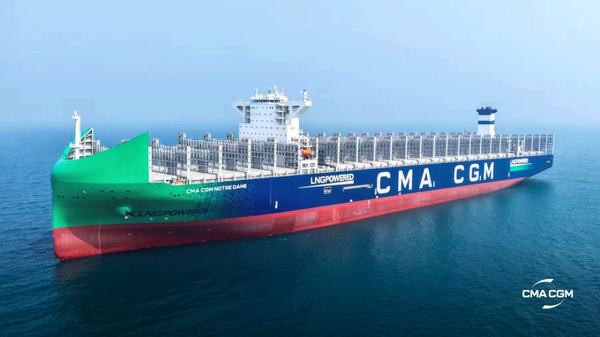
DSV to use CMA CGM’s ACT+ solution to slash shipping emissions
Danish firm targets 12,000-tonne reduction in CO₂ emissions over two years through the use of UCOME-based biofuels. |
|
|
|
||

|
Peninsula welcomes 2026 graduate cohort across global bunkering network
Bunker firm brings new graduates into roles spanning Houston, Singapore, Gibraltar, Monaco and Las Palmas. |
|
|
|
||

|
Malik Supply appoints Mathias Krogsgård as bunker trader
Danish bunker firm adds trader with export and technology background to growing team. |
|
|
|
||
| MISC names first of three new LNG carriers for QatarEnergy charter deal [News & Insights] |
| Corvus Energy’s Blue Whale NxtGen battery system gains DNV type approval [News & Insights] |
| Chinese shipbuilder ROC signs deal for up to eight methanol-ready CSOVs [News & Insights] |
| Nuclear-powered LNG carriers cost more upfront but cut lifetime fuel bills, ABS-backed study finds [News & Insights] |
| Electric and hybrid ferries could cut Sea of Marmara emissions by 63%, IMO study finds [News & Insights] |
