
 |
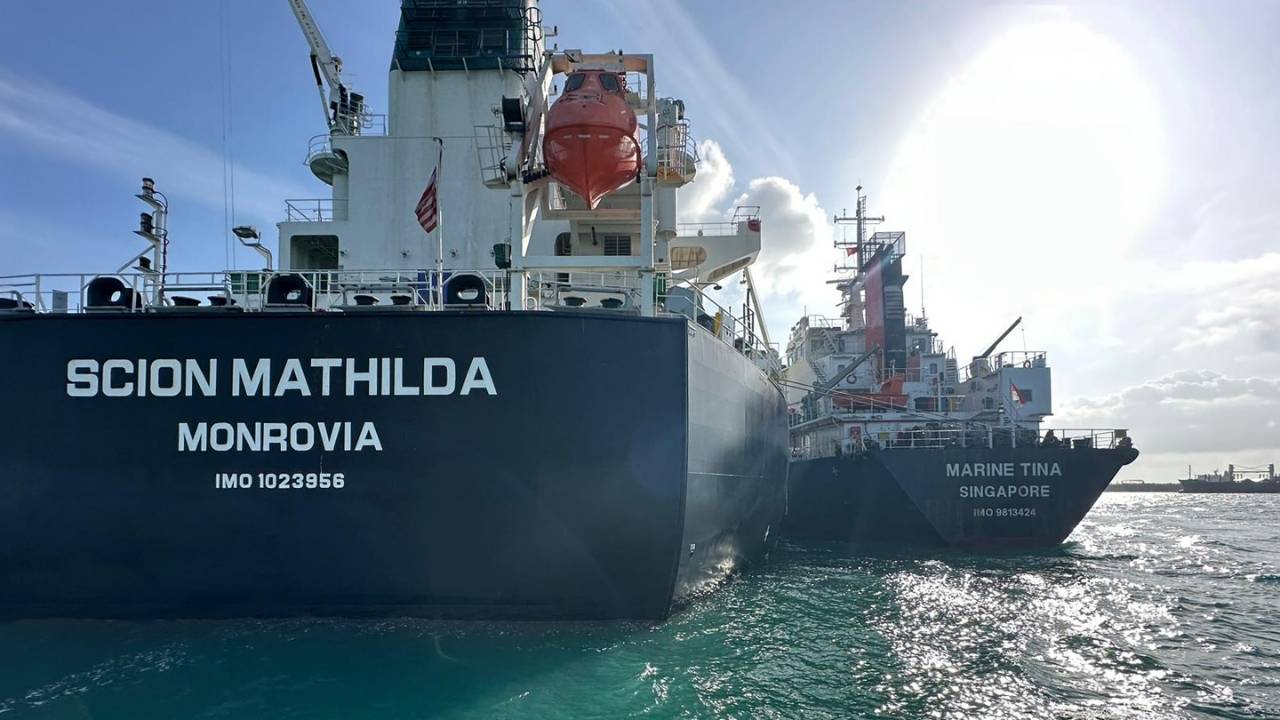
Vitol Bunkers and Olam Agri claim to have completed the world’s first bio-bunkering operation in Singapore using very-low-sulphur fuel oil (VLSFO) co-processed with cashew nutshell liquid (CNSL), in what the companies describe as a waste-to-energy approach that requires no changes to vessel operations.
The operation involved the supply of 246.5 metric tonnes (mt) of co-processed VLSFO to MV Scion Mathilda at the port of Singapore. The bunker parcel comprised 212 mt of conventional VLSFO and 34.5 mt of CNSL co-processed VLSFO. The fuel was supplied by Vitol Bunkers and procured by Olam Agri’s ocean freight business.
The fuel was subsequently consumed across a voyage that took the vessel from Caofeidian, China, to Rotterdam, the Netherlands, with a ballast leg continuing from Rotterdam to Barcarena, Brazil. Total fuel consumption across the voyage comprised 1,354 mt of VLSFO, 101 mt of marine gas oil (MGO) and 34.1 mt of co-processed VLSFO, and the vessel is said to have completed the voyage without any operational issues.
The co-processed VLSFO carries a greenhouse gas (GHG) intensity of 2.02 gCO₂eq/MJ, with Vitol claiming savings of at least 120 tonnes of CO₂eq compared with conventional VLSFO on an equivalent basis. The fuel conforms to the RMG 380 VLSFO grade specification and is said to have the same chemical composition and quality as conventional fuel, eliminating the need for additional permissions or special clauses in charterparty agreements.
Olam Agri said: “The successful deployment of this product, achieving verified greenhouse gas mitigation alongside ensuring operational integrity, serves as a definitive proof of concept. This milestone provides validation to a traditionally risk-averse sector, demonstrating that a previously disregarded bio-product solution can both be operationally viable and sustainable. We thank the owner of the vessel, Atlantic Lloyd, the vessel’s technical managers and Vitol for their cooperation and support in executing this trial. We look forward to deepening our collaboration.”
Vitol Bunkers noted: “This operation proves that co-processed VLSFO can be delivered and consumed at sea without any compromise to vessel performance or operational routine. The mass-balance solution we have developed opens up a genuinely new avenue for GHG reduction in marine fuels.”
A new pathway for CNSL
According to Vitol, its co-processing and mass-balancing methodology addresses a longstanding challenge in the use of CNSL as a marine biofuel. Direct blending of CNSL has historically been dismissed by industry stakeholders due to material compatibility and handling issues. By co-processing CNSL within the refinery stream, Vitol says it has created a commercially viable pathway for CNSL to contribute to GHG reduction in shipping.
"CNSL, derived as a by-product of cashew processing, represents an underutilised feedstock with genuine potential as a scalable marine biofuel component," Vitol stated, adding: "This trial demonstrates that with the right processing approach, it can be integrated into existing supply chains without disruption."
|
Wind-assisted propulsion 'no longer just a concept', ICS panel says
Shipowners weigh wind power as a practical, low-risk route towards decarbonisation targets. |
|
|
|
||
|
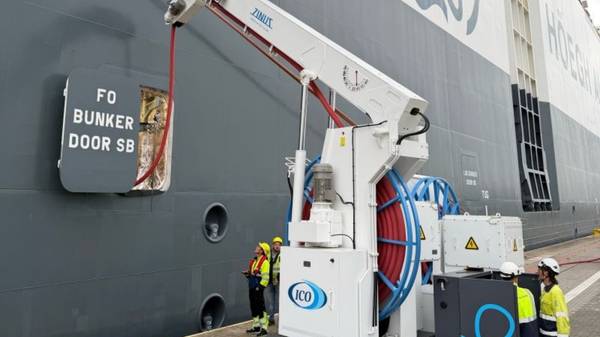
Höegh Autoliners vessel connects to shore power for the first time in Europe
Höegh Starlight used 11 kV shore power in Zeebrugge, allowing it to switch off its auxiliary engines while alongside. |
|
|
|
||
|
Chinese shipbuilder ROC signs deal for up to eight methanol-ready CSOVs
Contract signed with European shipowner for vessels designed for offshore wind farm maintenance work. |
|
|
|
||
|
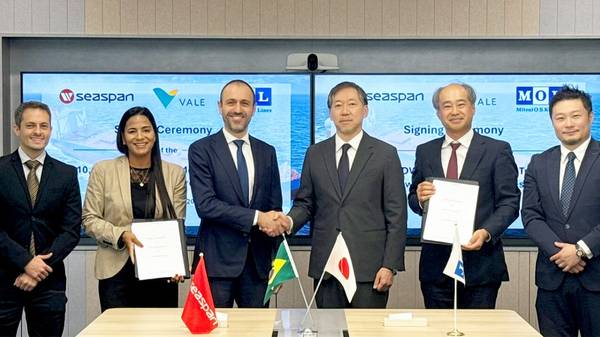
MOL and Vale sign 25-year deal for tri-fuel ore carriers
New vessels will be able to run on ethanol, methanol or heavy fuel oil, offering fuel flexibility. |
|
|
|
||
|
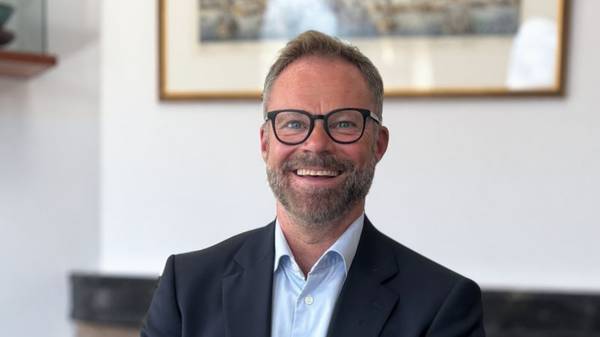
ScanOcean appoints Lars Malmbratt as senior commercial manager
Swedish firm strengthens commercial team with experienced industry executive based in Gothenburg. |
|
|
|
||
|
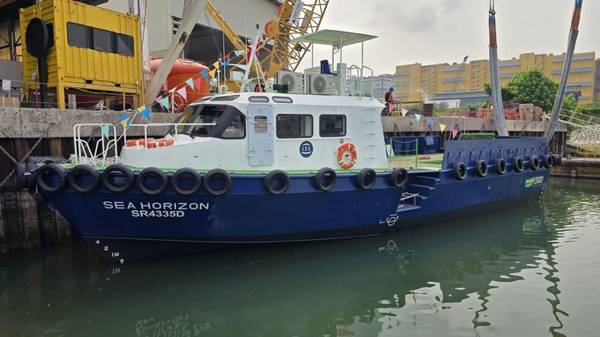
Pinnacle Marine launches second B100-compatible harbour craft for Les Star
Sea Horizon joins Singapore’s harbour craft fleet. |
|
|
|
||
|
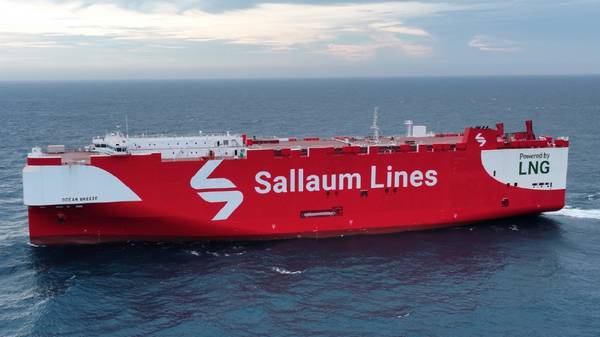
Sallaum Lines orders LNG-fuelled, ammonia-ready PCTCs from Chinese yards
Operator signs shipbuilding agreements for new generation of 8,600-CEU vessels, taking its newbuild investment past $1bn. |
|
|
|
||
|
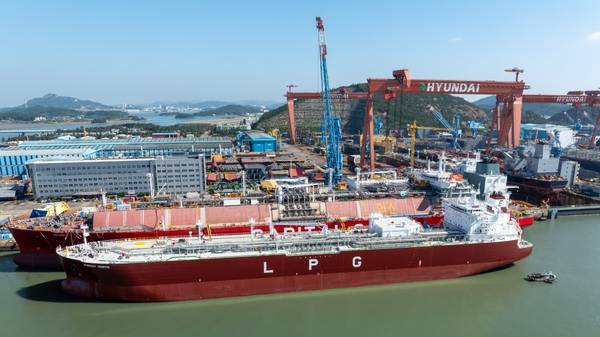
Nakilat takes delivery of dual-fuel carrier in South Korea
Ammonia-ready design positions vessel to play key role in future low-carbon energy supply chains, says Qatari firm. |
|
|
|
||
|
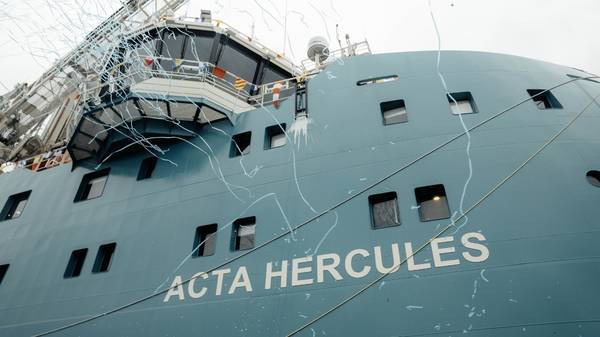
Acta Marine christens methanol dual-fuel vessel Acta Hercules in IJmuiden
Dutch operator marks the christening of its second newbuild CSOV. |
|
|
|
||
|
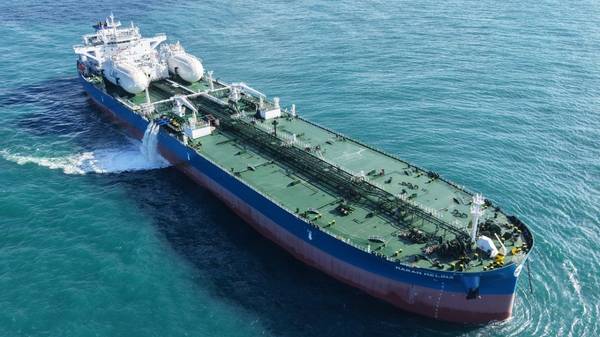
Angelicoussis Group takes delivery of fifth dual-fuel Suezmax tanker
Maran Tankers Management adds the 155,500-DWT Maran Melina to its fleet. |
|
|
|
||
| Höegh Autoliners vessel connects to shore power for the first time in Europe [News & Insights] |
| Maersk completes first US ethanol bunkering of a deep-sea container ship [News & Insights] |
| Maersk completes first US ethanol bunkering of a deep-sea container ship [News & Insights] |
| Petrobras launches HSFO bunker sales in Rio de Janeiro [News & Insights] |
| Japan completes first methanol-fuelled coastal vessel and conducts inaugural bunkering [News & Insights] |
