
 |
Bunker One and Brazilian energy firm Acelen have joined forces to launch a marine supply operation outside the port of Itaqui, in the northern state of Maranhão.
A range of vessels, including large cargo ships and tankers, can now be supplied by Bunker One in the anchorage area of Itaqui, located in São Marcos Bay.
And the new operation will also be able to service different trade routes, including those either originating from or having Europe and the United States as destinations.
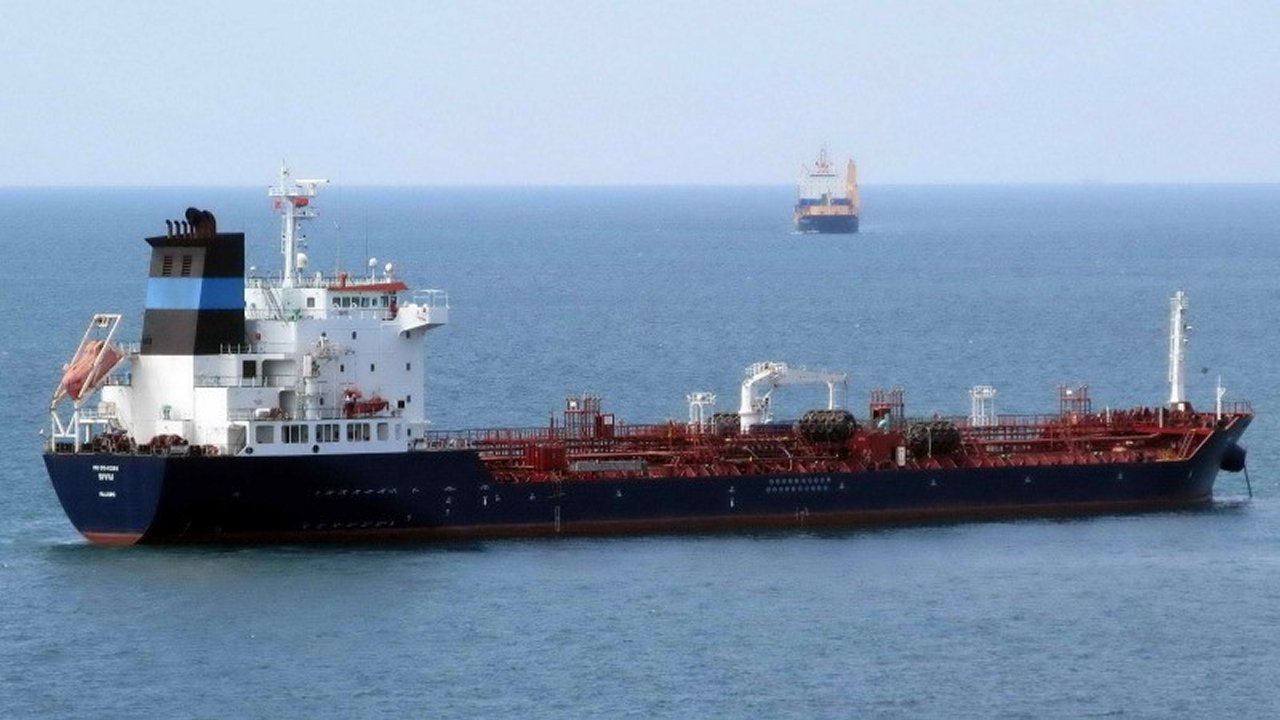
Nova Offshore, a subsidiary of Bunker One, has chartered the barge MT China Spirit for fuel deliveries in Itaqui.
The vessel is described as being highly equipped with a specialised crew, highly stable for navigation and mooring, whilst also complying with oil spill prevention requirements, with an emergency response contract in place.
Built in 2009, the tanker has a total length of 144 metres and a carrying capacity of 17,567 dwt tonnes.
The delivery location is a strategic hub for international trade, particularly for exports of raw commodities such as iron and soybeans and oil-related product distribution inside Brazil.
The option to bunker at anchorage reduces waiting times and calling costs as it allows for bunkering without interfering with loading and unloading operations at the terminals. Up to two ships can be supplied daily, taking into account the time required for each operation and the specifics of each bunkering operation.
"It is a convenient option for long-haul and coastal vessels that want to opt for the so-called Bunker Only Call when the ship heads to that location solely for refuelling. And as clients increasingly look to more sustainable bunker alternatives, we are preparing to meet demand, as we expect it to grow," explained Fillippe Fernandez, Marine Fuels Director at Bunker One (Brazil).
As a result of the tie-up, Bunker One says it expects to "significantly" increase sales volume at the location.
"This partnership will boost Bunker One's operations in Brazil by approximately 30 percent. And it's not just about another line of business or geographic area covered, but the beginning of a promising alliance that has the potential to offer new solutions for the shipping industry in Latin America," commented Flavio Ribeiro, CEO of Bunker One (Brazil).
According to Cristiano da Costa, Vice President of Commercial, Trading, and Shipping at Acelen, the partnership will support the region's growth, increasing the supply and competitiveness of Brazil as a hub option for bunker supply.
"It's an excellent partnership, capable of guaranteeing competitiveness to Brazil's bunker supply in the São Luís do Maranhão region."
The two firms expect the collaboration to increase the domestic market by up to 10 percent of bunker exports.
To deeply understand the bunkering operations in Itaqui, both companies invested in two studies: one on the meteoceanographic conditions of the anchorage areas and another on vessel approach and mooring during the marine fuel supply operations.
The studies used national and international data for analysis of wind, wave, and sea currents to ensure excellence in operational conditions.
The project partners say detailed knowledge of weather conditions will enable operations to be carried out to the highest supply standards.
Energy company Acelen owns the Mataripe Refinery, located near the ports of Madre de Deus and Salvador. The company represents around 14% of Brazil's total refining capacity, covering more than half of supplies in the the northeast of the country.
|
Monjasa shuffles leadership across Asia and West Africa trading desks
Morten Jacobsen steps down as managing director for Asia, with Simone Piredda relocating from Dubai to take the helm in Singapore |
|
|
|
||
|
Burando Energies appoints Tue Jensen as head of market risk
Dutch marine fuels specialist bolsters its risk function amid international growth plans. |
|
|
|
||
|
Fincantieri floats out Explora V and marks coin ceremony for Explora VI
Two ceremonies at Sestri Ponente shipyard advance construction of MSC's six-ship Explora Journeys fleet. |
|
|
|
||

|
BP advertises for senior physical bunker trader to oversee Europe and Africa marine business
London-based trader is required to manage pricing, accounts and strategy across its marine fuels operation. |
|
|
|
||
|
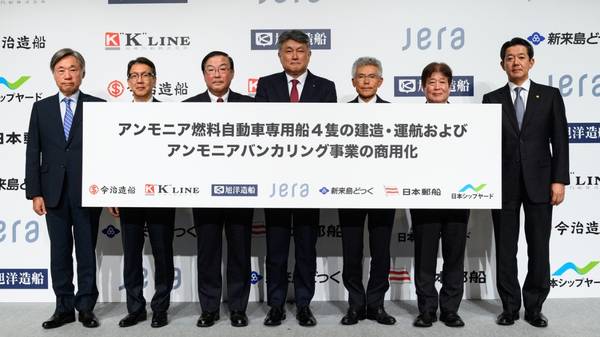
Seven Japanese firms join forces on ammonia-fuelled car carrier project
NYK, K Line and five other companies plan to build four ammonia-fuelled car carriers alongside a dedicated bunkering vessel and supply chain. |
|
|
|
||
|
EmissionLink urges EU to channel ETS revenues into shipping carbon capture trials
Maritime emissions specialist says regulation alone will not make onboard carbon capture commercially viable for shipowners. |
|
|
|
||
|
WinGD signs long-term service deals covering 14 LNG carriers with three shipowners
Engine designer secures lifecycle support contracts with COSCO, NYK and TMS Cardiff Gas for dual-fuel LNG vessels. |
|
|
|
||
|
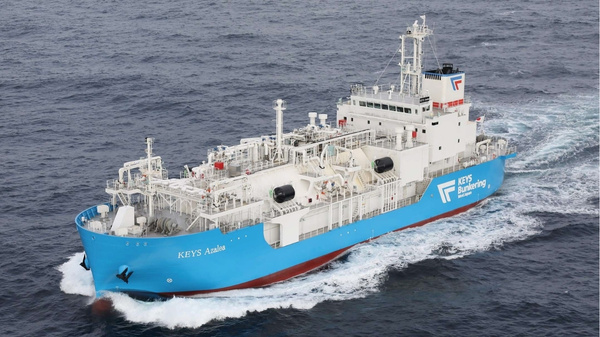
KEYS Azalea completes 100th LNG bunkering operation in western Japan
LNG bunkering vessel reaches landmark delivery in two and a half years. |
|
|
|
||
|
Port of Santos moves to regular ethanol bunkering for ships
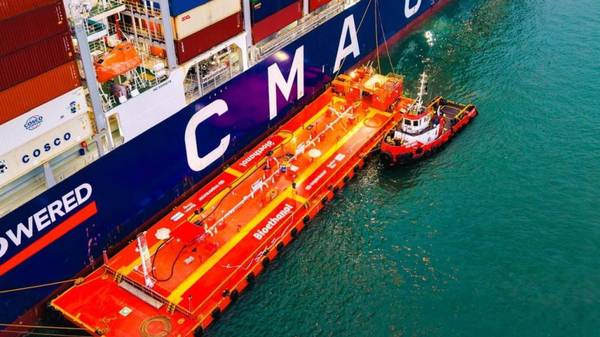
CMA CGM, Copersucar and Bunker One expand July pilot into a commercial supply chain for ethanol as a marine fuel in Brazil. |
|
|
|
||
|
Baleària floats first fully electric fast ferry for Tarifa–Tangier route
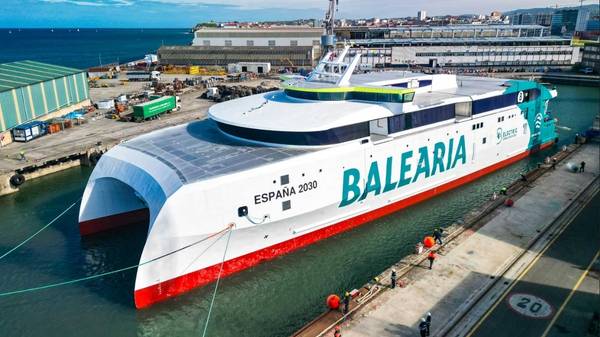
Spanish operator's new catamaran, built at Armón's Gijón yard, will enter service in summer 2027. |
|
|
|
||
| Bunker One launches its first methanol bunker tanker [News & Insights] |
| Bunker Holding and NeoGreen Hydrogen sign MoU for green ammonia and synthetic fuels [News & Insights] |
| KPI OceanConnect and Uni-Tankers complete biofuel trial [News & Insights] |
| Bunker Holding launches five-year plan [News & Insights] |
| Seven Japanese firms join forces on ammonia-fuelled car carrier project [News & Insights] |
| KEYS Azalea completes 100th LNG bunkering operation in western Japan [News & Insights] |
| Port of Santos moves to regular ethanol bunkering for ships [News & Insights] |
| Shanghai and Melbourne ports move green shipping corridor into delivery phase [News & Insights] |
| CIMC SOE advances construction on three LNG bunker vessels [News & Insights] |
