|
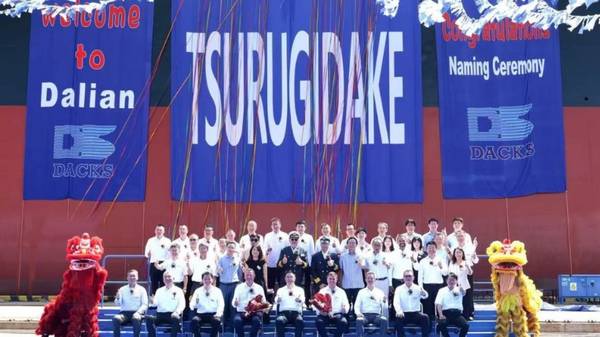
MOL holds naming ceremony for fourth LNG dual-fuel VLCC
Vessel, named Tsurugidake, features an LNG fuel tank with a capacity exceeding 10,000 cbm. |
|
|
|
||
|
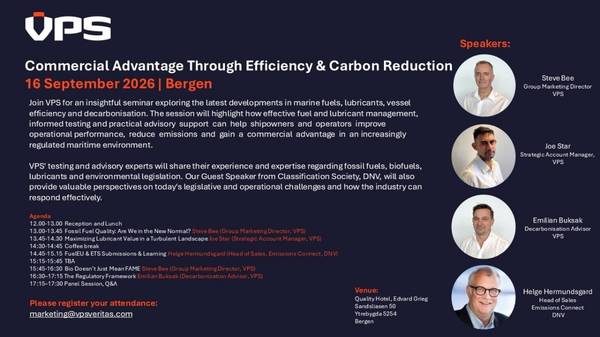
VPS to host Bergen seminar on marine fuel quality, lubricants and decarbonisation regulation
Free-to-attend event on September 16 will feature speakers from VPS and DNV. |
|
|
|
||
|
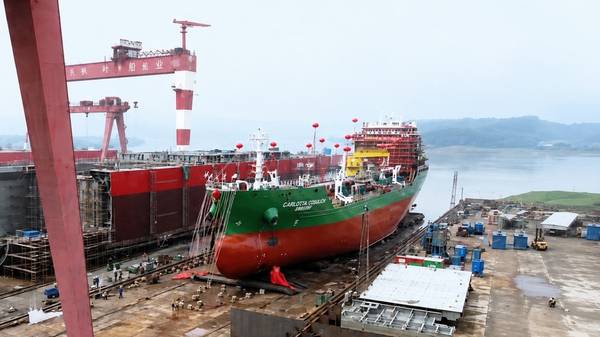
Cosulich Marine Energy launches third methanol-ready bunker tanker in China
Carlotta Cosulich launched at Taizhou Maple Leaf Shipyard, leaving one vessel in series still to come. |
|
|
|
||
|
Carnival's CSMART seeks specialist instructor for LNG-as-fuel training in Netherlands
Role focused on delivering training to through classroom instruction and simulator-based learning. |
|
|
|
||
|
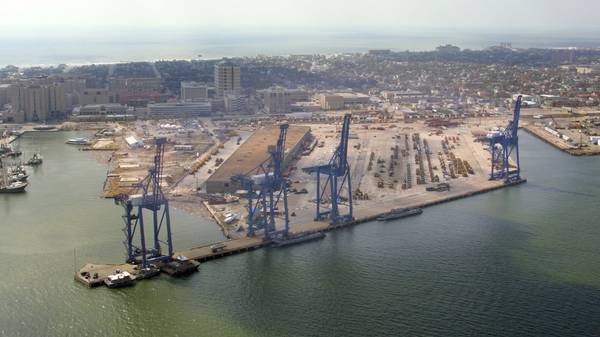
Stabilis Solutions nears 100 LNG bunkering operations at Galveston
Houston-based supplier highlights its Gulf Coast LNG bunkering record as plans advance for new liquefaction facility. |
|
|
|
||

|
Towngas hosts Hong Kong government delegation at Inner Mongolia green methanol plant
Hong Kong's Transport and Logistics Bureau tours VENEX facility as green methanol capacity scales to 300,000 tonnes. |
|
|
|
||
|
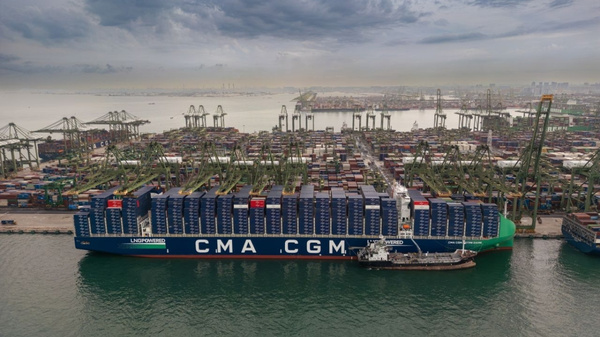
Singapore 12-month bunker calls hit all-time high in July
TTM calls at world's largest bunkering hub reach record levels despite softer sales volumes. |
|
|
|
||
|
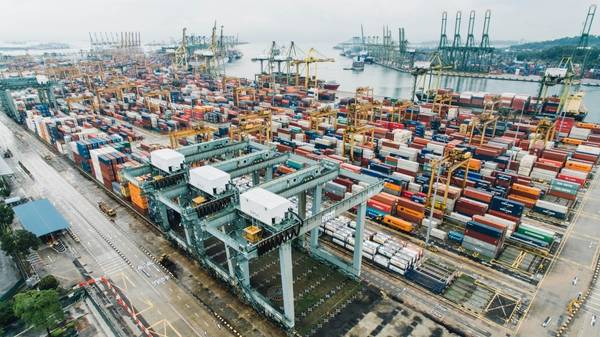
Singapore T3M bunker sales stay below 14m tonnes for fourth month running
Rolling three-month volumes remain subdued despite modest month-on-month recovery in July. |
|
|
|
||
|
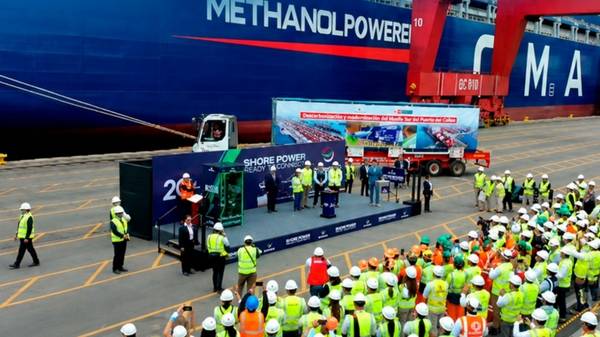
Peru’s Port of Callao launches first shore power system in Latin America
DP World Callao’s onshore power supply system could cut over 6,300 tonnes of CO₂ annually. |
|
|
|
||
|
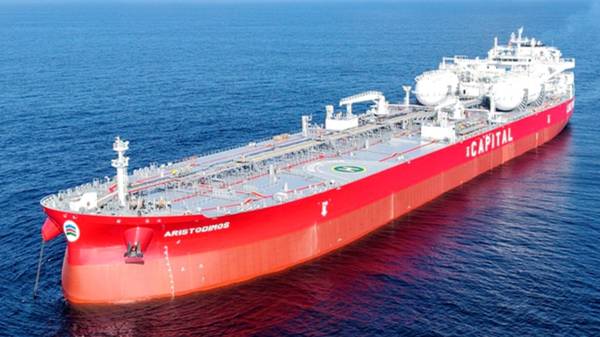
New Times Shipbuilding delivers LNG dual-fuel crude oil tanker to Capital
Chinese yard hands over 155,500-dwt vessel in ceremony attended by owner’s representative. |
|
|
|
||
| Balearia begins first of six LNG retrofits [News & Insights] |
| Wartsila to supply largest LNG-fuelled high-speed catamaran [News & Insights] |
| Balearia wins EUR 11.8m grant to finance five ferry conversions to LNG [News & Insights] |
| Balearia launches ferry with scrubber system [News & Insights] |
| Fuel-saving ferry, LNG-powered ships were 'main milestones' of 2017: Balearia [News & Insights] |
| CIMC SOE starts construction on first 9,000-cbm LNG tank project [News & Insights] |
| LNG fleet reaches 1,665 vessels as methane slip technology advances [News & Insights] |
| MSC Cruises achieves flag state recognition for verified methane emissions data [News & Insights] |
| Everllence marks 2,000th dual-fuel engine order with Cosco container ship deal [News & Insights] |
| Everllence secures world’s first order for ME-GI Mk10.7 dual-fuel engine [News & Insights] |