
|
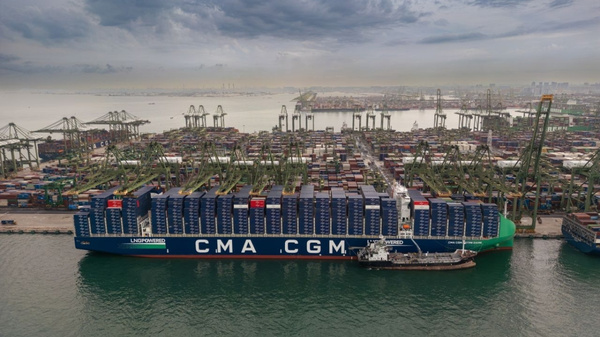
Singapore 12-month bunker calls hit all-time high in July
TTM calls at world's largest bunkering hub reach record levels despite softer sales volumes. |
|
|
|
||
|
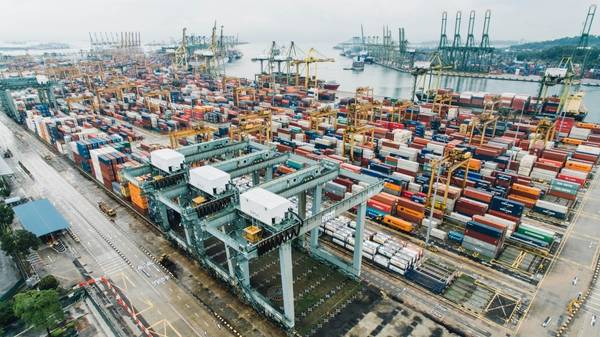
Singapore T3M bunker sales stay below 14m tonnes for fourth month running
Rolling three-month volumes remain subdued despite modest month-on-month recovery in July. |
|
|
|
||
|
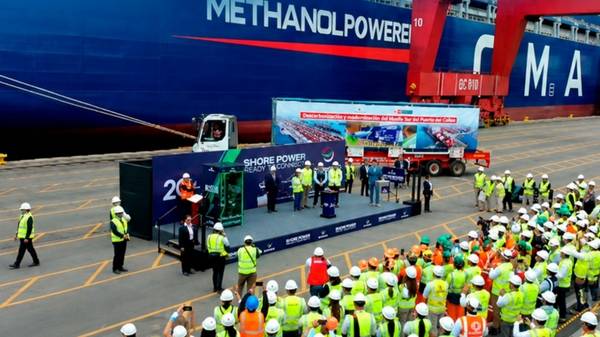
Peru’s Port of Callao launches first shore power system in Latin America
DP World Callao’s onshore power supply system could cut over 6,300 tonnes of CO₂ annually. |
|
|
|
||
|
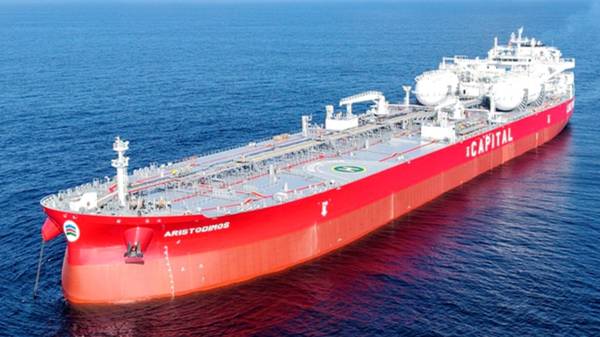
New Times Shipbuilding delivers LNG dual-fuel crude oil tanker to Capital
Chinese yard hands over 155,500-dwt vessel in ceremony attended by owner’s representative. |
|
|
|
||
|
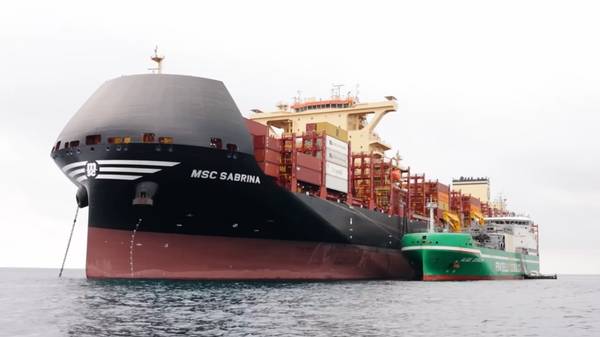
Shell completes maiden LNG bunkering operation in Valencia
Delivery to MSC vessel facilitated by Fratelli Cosulich said to be first-ever LNG bunker supply at Spanish port. |
|
|
|
||
|
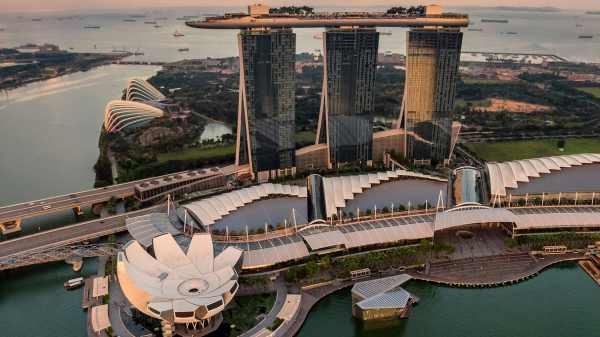
PIL hiring senior marine fuels executive to manage global bunkering operations
Singapore-based role includes oversight of fuel procurement and delivery operations, covering PIL's fleet of container and multi-purpose vessels. |
|
|
|
||
|
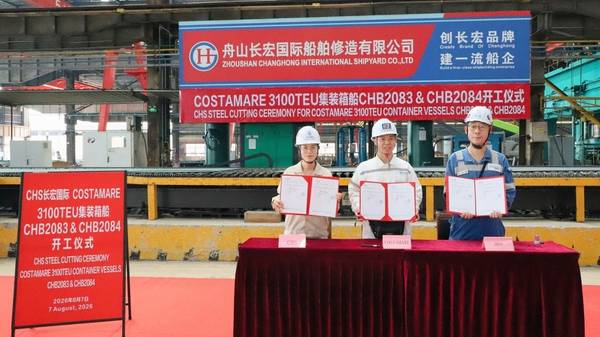
Changhong International Shipbuilding cuts steel on two more 3100-teu boxships for Costamare
HSFO-fuelled vessels feature scrubbers, SCR systems and shore power connections to meet emissions requirements. |
|
|
|
||

|
Lloyd’s Register and Maersk Mc-Kinney Møller Center launch ammonia safety and training resources for shipping
New tools aim to help operators build the safety management and competency frameworks needed for ammonia-fuelled vessels. |
|
|
|
||
|
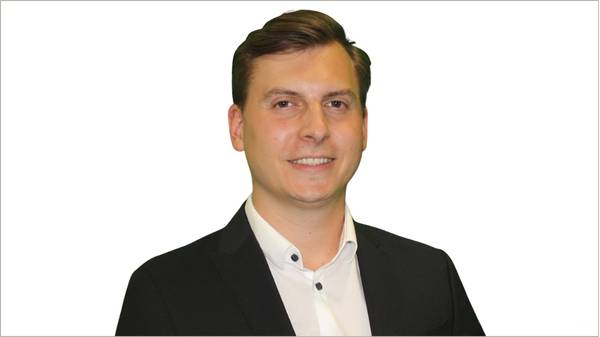
IBT Bunkering & Trading appoints Kevin Döhmen to manage new Singapore office
Döhmen tasked with developing IBT’s operation in the Asian city-state. |
|
|
|
||
|
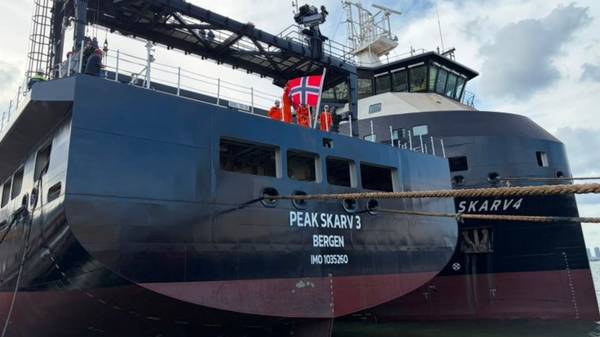
Peak takes delivery of third S-class vessel and cuts steel for ammonia-fuelled ship
Norwegian operator marks two events at Chinese yard as ammonia-powered newbuild programme advances. |
|
|
|
||
| Gaslog orders gas carrier with dual-fuel propulsion [News & Insights] |
| Fincantieri secures order for three LNG-fuelled cruise ships from Princess Cruises [News & Insights] |
| Keel laid for MSC 19,000-teu LNG dual-fuel container ship [News & Insights] |
| Molgas completes LNG cool-down and bunkering for Northern Pathliner at Northern Lights terminal in Norway [News & Insights] |
| Jiangnan Shipyard breaks ground on LPG-fuelled ammonia carrier for Jaldhi Overseas [News & Insights] |
| HMM names second methanol-powered containership in 9,000 TEU series [News & Insights] |

