Fri 22 Dec 2017, 13:25 GMT

Auckland opts for shore power... not fuel switching


CEO notes sulphur emissions will drop in 2020 and GHG reductions from fuel switching would be 'minimal'.


The results of a study looking into the feasibility of making shore power available for cruise ships berthed in Auckland, New Zealand, were released on Thursday.

The Ports of Auckland (POAL) report recommends the implementation of shore power at one cruise berth within the next five years and the requirement that ships switch to fuel with a maximum sulphur content of 0.1 percent when berthed.

Cruise ships were selected for the study as the cruise industry has been proactive at addressing environmental issues in recent years and these vessels are more frequently fitted with the onboard infrastructure required. This, combined with high individual electricity demand while at berth (compared to other vessel types), is expected to increase utilisation and deliver the highest emission reduction return.

The study looked at the feasibility of a wide range of emission reduction technologies, including: shore power (grid supplied, local generation including renewables, hybrid); fuel switching (to methanol, LNG, low-sulphur diesel); land/barge based exhaust capture systems; and exhaust gas scrubbers.

Viable solutions were assessed against a range of social and environmental attributes in addition to whole of life cost. This holistic approach was adopted to provide a balanced assessment of the alternatives, with consideration of the stakeholder values.

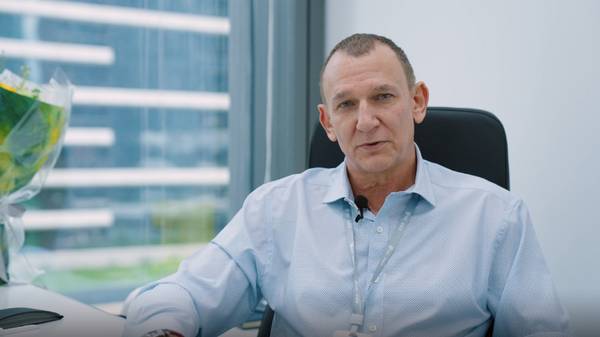
Commenting on the report's recommendations, chief executive Tony Gibson said: "POAL has decided adopt the recommendation to plan for shore power. Shore power has an estimated total cost of $18.3 million (+/-30%) and the potential to reduce greenhouse gas emissions by 31 percent."

"We will not pursue fuel switching at this stage because the greenhouse gas reductions it delivers are marginal. While fuel switching would deliver a large reduction in sulphur emissions, this reduction is due to happen with the introduction of new international rules on the sulphur content of marine fuels in 2020," he added.

Next year, POAL is due to carry out further work on shore power, including a detailed cost estimate, a cost-benefit analysis and an investigation of funding options.

Pursuit of this option is expected to help POAL move towards its 2040 zero emission goals and support Auckland Council's Low Carbon Auckland Strategy.

The report has been provided to the Auckland Council Sustainability Office and POAL will be coordinating with Auckland Council as this project progresses.

Ports of Auckland CEO Tony Gibson remarked: "We have a goal of becoming a zero emissions port by 2040, and shore power has the potential to make a significant contribution to achieving this goal. In New Zealand we are fortunate to have over 80 percent of our electricity generated renewably, which also gives us the potential to have world-leading emissions reductions from shore power. I am very pleased to support this project to the next stage."


EIB and Port of Rotterdam signing. Port of Rotterdam secures EUR90m EIB loan for shore power installations  

Financing will support shore power infrastructure at three container terminals, with an EU grant also approved.

IBIA logo. IBIA updates biofuels training module for 2026  

Updated online course covers latest regulatory developments and market trends in liquid and gaseous biofuels.

Brim Explorer’s fully electric passenger vessel concept render Bureau Veritas to class all-electric trimarans for Brim Explorer  

Two zero-emission passenger vessels will operate in Norwegian fjords after extensive Arctic testing.

Steel cutting ceremony for LNG fuel tank project. CIMC SOE starts construction on first 9,000-cbm LNG tank project  

South Korean shipowner SUNBO has commissioned the tanks for 18,000-cbm LNG bunkering vessels.

Rob Mortimer, CEO of FuelRe4m. Gulf tensions expose shipping’s continued reliance on fossil fuels, says Fuelre4m  

Dubai-based firm warns alternative fuel infrastructure remains fragile compared to established oil and gas systems.

Welcoming of CMA CGM Grand Palais vessel. CMA CGM adds 23,000-teu containership to Asia-Europe service  

CMA CGM Grand Palais will operate on the FAL3 route between Asia and Europe.

WinGD methanol and ethanol webinar invitation. WinGD to host webinar on methanol- and ethanol-flexible fuel engine technology  

Engine manufacturer will discuss market outlook, regulations and operational experience with alcohol-based marine fuels.

Peninsula graduate programme group photo. Peninsula opens applications for 2026 graduate programmes in marine fuels trading  

Two-year scheme offers positions across six global locations starting in September, combining hands-on experience with structured development.

Collin She, Oilmar DMCC. Oilmar DMCC promotes Collin She to key account manager role  

She will lead strategic customer relationships and drive growth opportunities in Singapore and the wider region.

Areion vessel. Dorian LPG takes delivery of dual-fuel VLGC capable of carrying ammonia  

The 93,000-cbm Areion can run on LPG or fuel oil and transport ammonia cargoes.