|
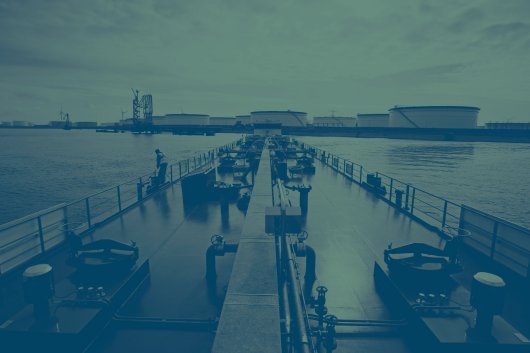
J-ENG secures orders for four ammonia-fuelled engines under Japanese PCTC project
Vessels form part of plan to build four ammonia-fuelled car carriers, a dedicated bunkering vessel and supply chain. |
|
|
|
||
|
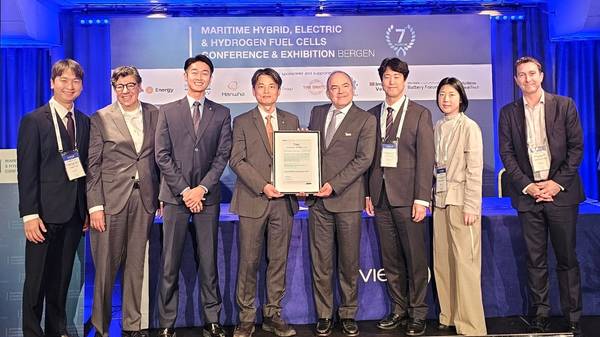
ABS grants AIP to Hanwha Power for 1,700-TEU battery-powered container ship
Design uses roughly 151 MWh of swappable battery storage for fully electric propulsion on a container vessel. |
|
|
|
||
|
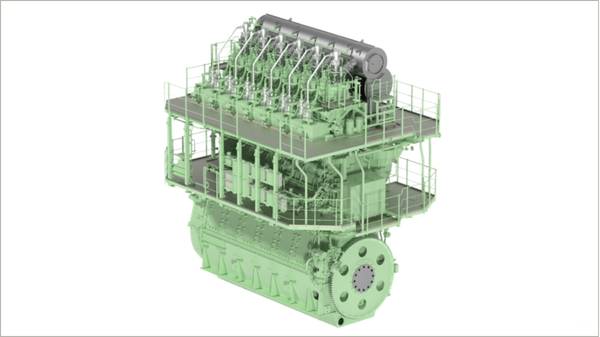
WinGD signs first licence deal with HD Hyundai Marine Engine to expand Korean production
Mid-bore engine portfolio gains new production route into Korea's bulk carrier and tanker newbuild markets. |
|
|
|
||
|
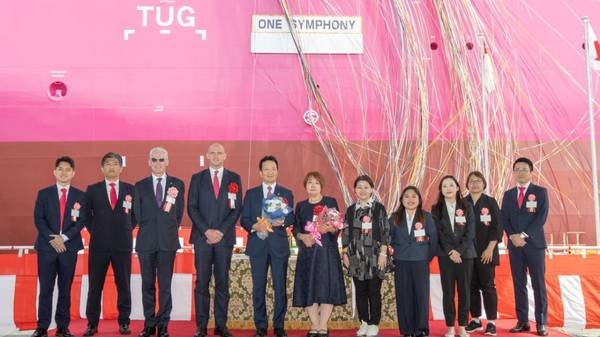
Ocean Network Express names ammonia- and methanol-ready newbuild ONE Symphony
Vessel features conventional diesel main engine, with concept designs approved for possible future conversion to methanol or ammonia. |
|
|
|
||
|
Sing Fuels seeks Asia-based supply trader to bolster bunker procurement team
Singapore bunkering firm is recruiting a supply trader to manage marine fuel purchasing across Asia. |
|
|
|
||
|
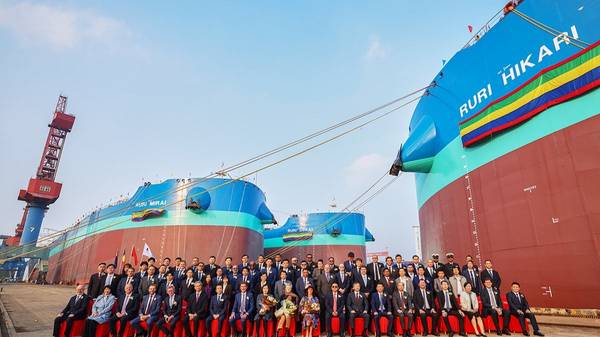
MOL names world's first ammonia-fuelled Capesize bulk carriers
Naming of Ruri Mirai, Ruri Sekai and Ruri Hikari signals ammonia's arrival as a marine fuel for large bulk carriers. |
|
|
|
||
|
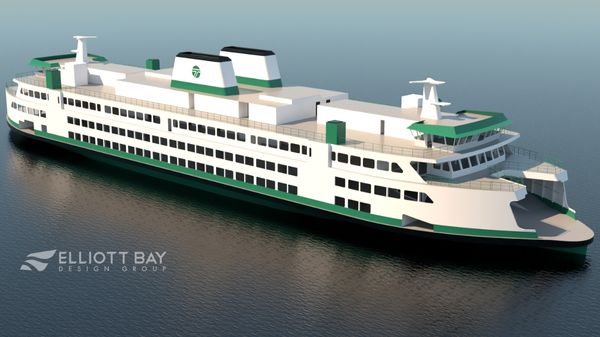
ABB wins Washington State Ferries' third hybrid-electric vessel order
ABB extends its role in the US ferry operator's electrification programme, which targets emission-free operations by 2050. |
|
|
|
||
|
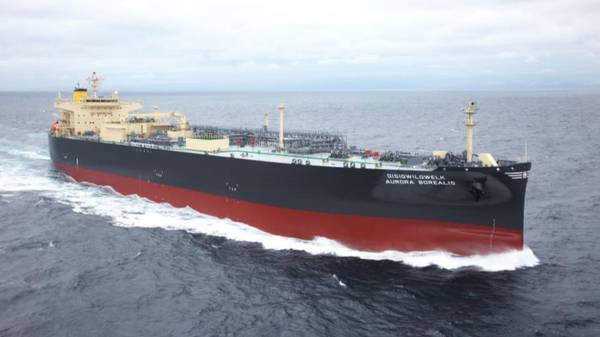
Kawasaki Heavy Industries delivers LPG-fuelled carrier Aurora Borealis
Ship could also be modified in future to allow for ammonia-fuelled operation. |
|
|
|
||
|
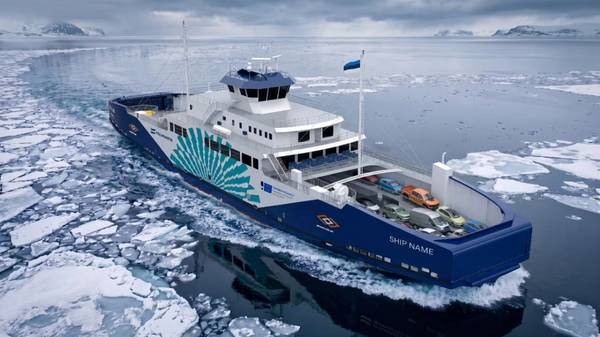
Estonian State Fleet's shore-charged electric ferry completes model testing in Germany
Hull and propulsion tests show the vessel's energy consumption remains within contracted limits with room to spare. |
|
|
|
||
|
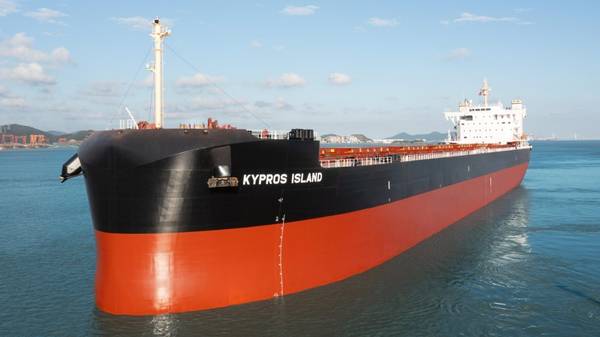
Tsuneishi delivers first methanol dual-fuel Kamsarmax bulk carrier from Chinese yard
Shipbuilder claims progress towards establishing a mass-production system for vessels designed to reduce environmental impact. |
|
|
|
||
| MSC Cruises ship passes MARPOL scrubber test [News & Insights] |
| Yara Marine scrubbers for four feeder ships [News & Insights] |
| Norwegian Jewel retrofitted with scrubber technology [News & Insights] |
| PureSOx scrubber development continues [News & Insights] |
| Scrubbers installed on 60 Carnival ships [News & Insights] |
| Ocean Network Express names ammonia- and methanol-ready newbuild ONE Symphony [News & Insights] |
| MOL names world's first ammonia-fuelled Capesize bulk carriers [News & Insights] |
| ABB wins Washington State Ferries' third hybrid-electric vessel order [News & Insights] |
| Kawasaki Heavy Industries delivers LPG-fuelled carrier Aurora Borealis [News & Insights] |
| Estonian State Fleet's shore-charged electric ferry completes model testing in Germany [News & Insights] |