
|
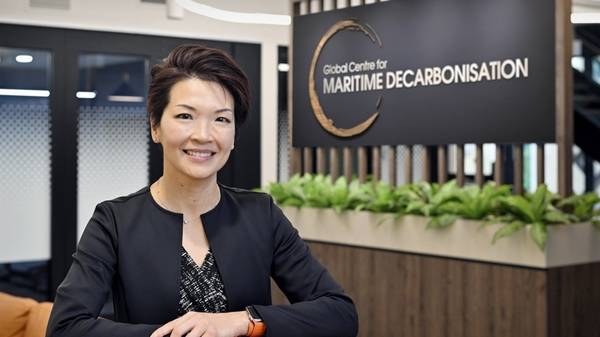
Project CAPTURED secures EU ETS recognition and IMO support for onboard carbon capture pathway
Two regulatory developments strengthen the commercial case for onboard carbon capture and storage at sea. |
|
|
|
||
|
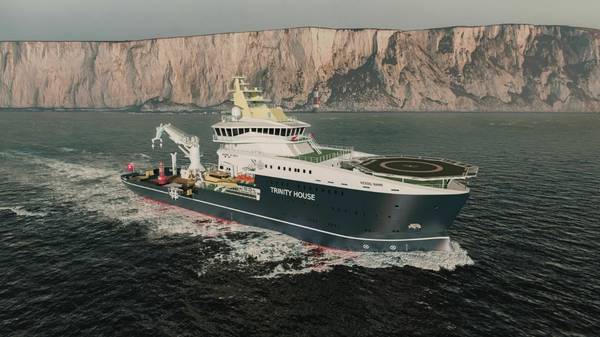
Vard wins €220m contract to build methanol-ready vessels for Trinity House
Norwegian shipbuilder Vard will replace two ageing Trinity House vessels with hybrid-powered successors. |
|
|
|
||

|
Sunoco seeks bunker trader for 'front-line' role to expand marine fuels business
Professional sought with at least two years' experience in bunker trading or marine fuels commercial sector. |
|
|
|
||
|
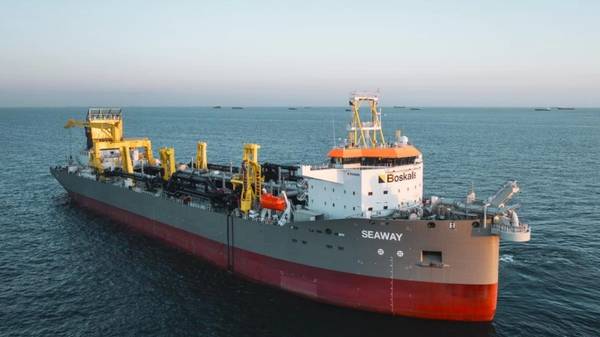
Royal IHC delivers methanol-ready TSHD to Boskalis
The 31,000-cbm Seaway is among the largest trailing suction hopper dredgers in the world. |
|
|
|
||
|
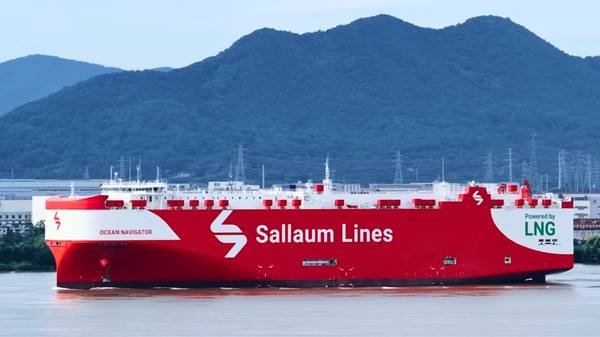
LNG-powered MV Ocean Navigator completes sea trial ahead of August delivery
Sallaum Lines ro-ro vessel due to enter commercial service next month. |
|
|
|
||
|
FuelEU surplus price drop could undermine fuel transition, warns EmissionLink
Falling compliance costs may discourage real uptake of lower-carbon fuels, the company cautions. |
|
|
|
||
|
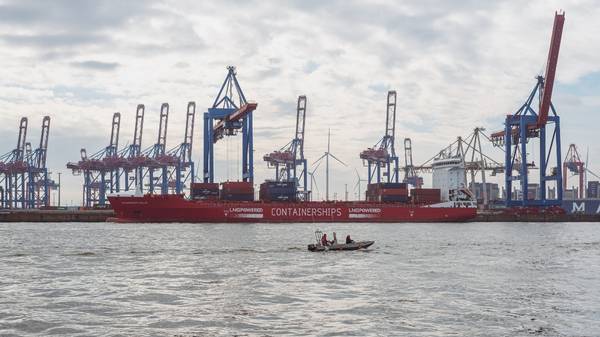
Port of Hamburg moves towards ammonia bunkering readiness with new safety framework
Hamburg and MB Energy develop risk analysis and safety concept for ammonia ship-to-ship bunkering. |
|
|
|
||
|
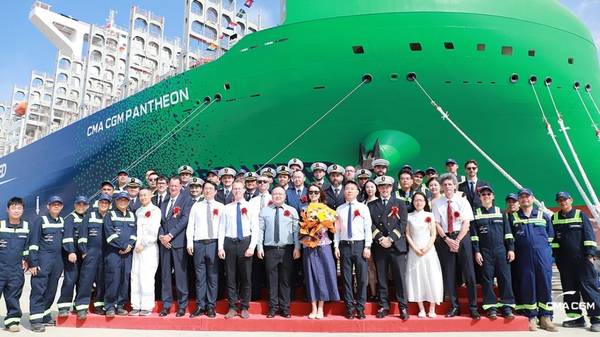
LNG-powered boxship CMA CGM Pantheon named in ceremony
Vessel is sister ship to CMA CGM Notre Dame and will serve the Asia–Northern Europe trade lane. |
|
|
|
||
|
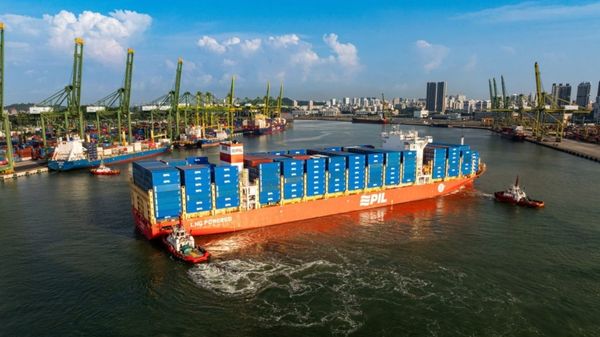
PIL hiring head of marine fuel procurement in Singapore
Role requires at least 10 years’ experience in bunkering, shipping or energy sectors. |
|
|
|
||
|
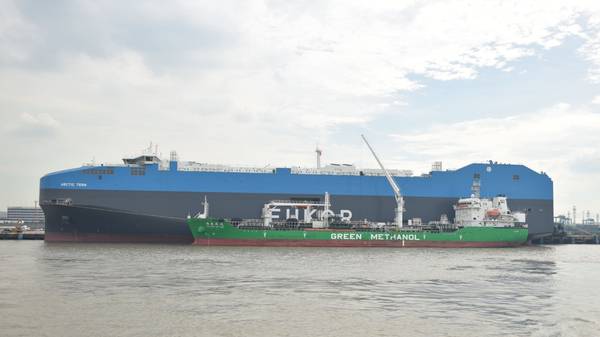
EUKOR’s new car carrier completes first biomethanol bunkering at Shanghai on maiden voyage
EUKOR, SIPG Energy and World Fuel deliver 2,800 tonnes of waste-derived biomethanol to the first Shaper Class vessel. |
|
|
|
||
| Bunker-saving shaft generators for 'most fuel-efficient ferries in the world' [News & Insights] |
| MoU signed to develop LNG bunkering facility at Vizhinjam [News & Insights] |
| Hapag-Lloyd to acquire ZIM for $4.2bn in cash deal [News & Insights] |
| Corvus Energy wins largest-ever contract for seven electric Scottish ferries [News & Insights] |
| Bureau Veritas to class all-electric trimarans for Brim Explorer [News & Insights] |
| Three Japanese firms partner on ammonia bunker vessel for Singapore [News & Insights] |

