
|
Ardmore Shipping posts 14% fleet emissions reduction in 2025 sustainability report
Ardmore Shipping’s annual sustainability report highlights emissions cuts, safety gains and governance rankings across its tanker fleet. |
|
|
|
||
|
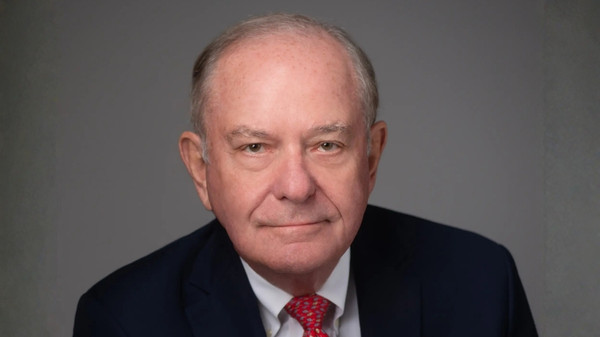
SEA-LNG mid-year review points to continued growth across methane pathway as coalition marks tenth anniversary
LNG orders, bunkering volumes and biomethane production all rise as SEA-LNG gains IMO consultative status. |
|
|
|
||
|
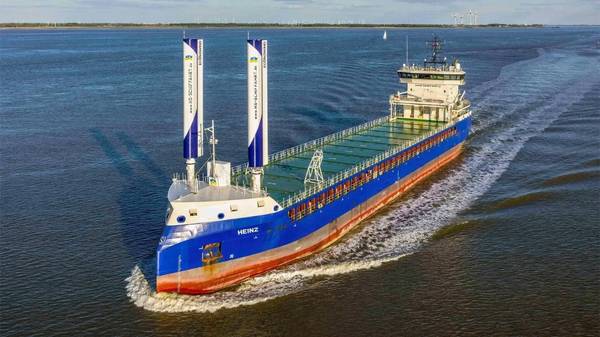
Econowind receives DNV type approval for VentoFoil 3-Series wind propulsion wing
DNV certification set to streamline integration of VentoFoils on classed vessels worldwide. |
|
|
|
||
|
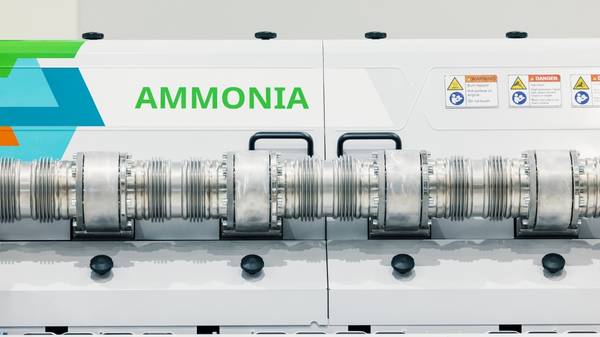
Wärtsilä to supply ammonia engines and propulsion systems for two Navigator Amon gas carriers
Mid-size LPG/liquid ammonia carriers will be equipped with Wärtsilä’s ammonia-fuelled auxiliary engines. |
|
|
|
||
|
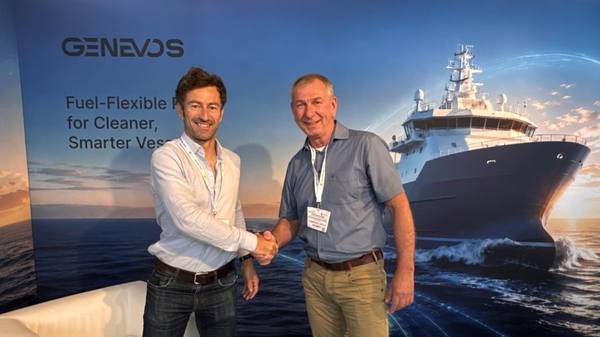
Genevos and Koedood Marine Group sign LOI to explore hydrogen fuel cell deployment
Two companies to collaborate on the use of hydrogen fuel cell systems for inland and coastal maritime transport. |
|
|
|
||
|
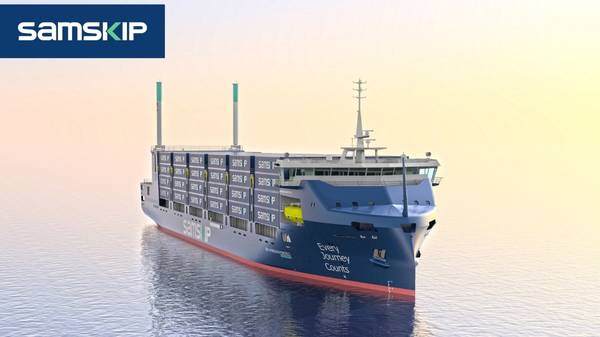
Samskip brings SeaShuttle project into European HyShip initiative to develop liquid hydrogen infrastructure
Two hydrogen-powered container vessels will operate between Rotterdam and Oslo from 2027. |
|
|
|
||
|
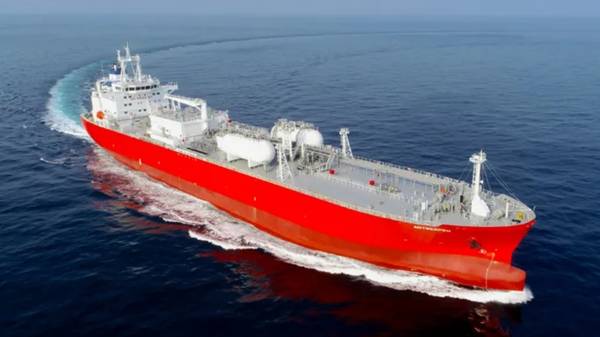
Korea Register and HD Hyundai team up to advance ammonia-fuel shipping in South Korea
Two organisations are cooperating on eco-friendliness verification for ammonia dual-fuel vessels. |
|
|
|
||
|
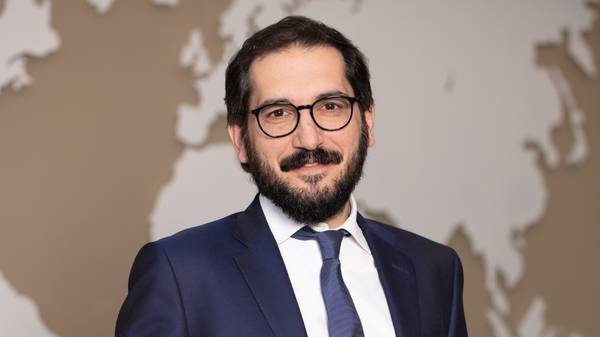
Green ammonia could become the first commercially viable zero-emission marine fuel, WinGD study suggests
Joint report by WinGD and Envision Energy sets out the economic case for green ammonia. |
|
|
|
||
|
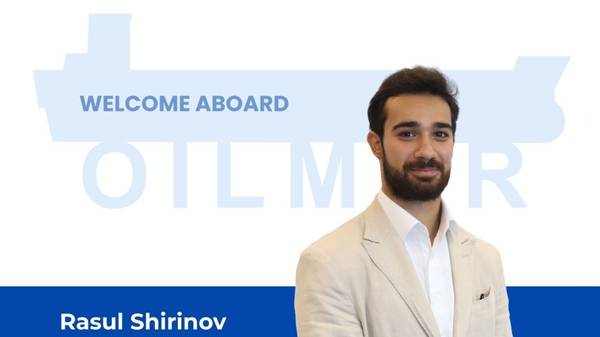
Oilmar appoints junior marine fuels trader at Dubai trading desk
UAE-headquartered bunker firm hires Rasul Shirinov, with a background in the agricultural sector. |
|
|
|
||
|
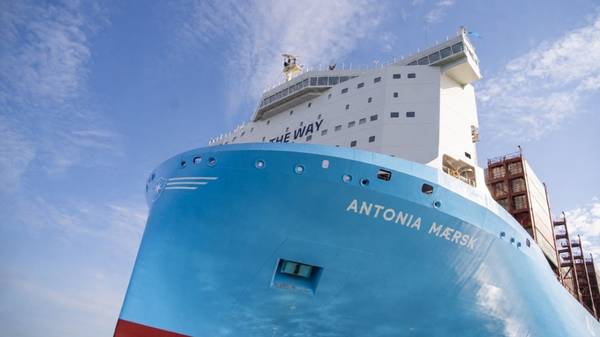
Maersk bunkers large dual-fuel vessel with 100% ethanol in Barcelona
Ocean carrier scales up ethanol bunkering in bid to broaden its low-emission fuel strategy. |
|
|
|
||
| IBIA surveys members on global sulphur cap [News & Insights] |
| IBIA relocates to new address in Singapore [News & Insights] |
| IBIA calls for industry-wide cooperation to develop 'fair and fully understood' sales terms [News & Insights] |
| IBIA develops standard operating procedures for surveyors [News & Insights] |
| IBIA develops bunker course with UK marine school [News & Insights] |
| IBIA to host workshop on ethanol and methanol marine fuels during Singapore Maritime Week [News & Insights] |
| IBIA opens nominations for 2026 board elections [News & Insights] |
| IBIA chair completes two-year term, citing expansion in regulatory engagement and membership [News & Insights] |
| IBIA and Hong Kong Shipowners Association sign MoU on marine energy collaboration [News & Insights] |
| IBIA appoints Sommer Mitchell as marketing and events coordinator [News & Insights] |

