
|
Heinrich Wegener & Sohn joins Global Ethanol Association
German family-owned bunker firm joins industry body to support ethanol and methanol adoption. |
|
|
|
||
|
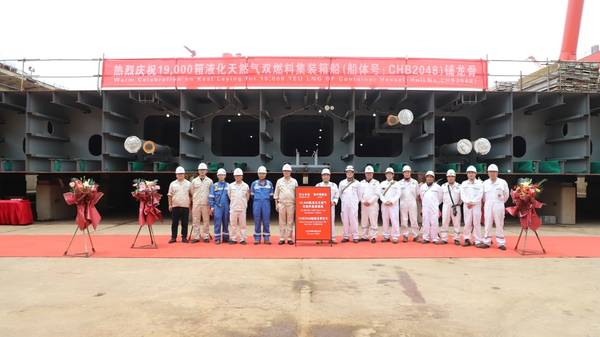
Second MSC ultra-large LNG dual-fuel boxship enters dry dock at Zhoushan
Changhong International's Daishan Base receives 19,000-teu container vessel built for MSC. |
|
|
|
||
|
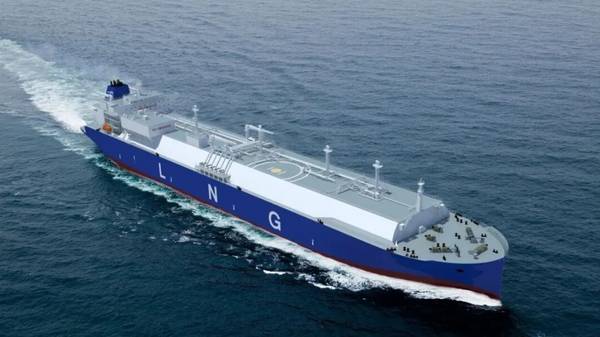
Deal signed to build four LNG-fuelled gas carriers
Quartet of 175,000-cbm LNG vessels destined for Shell charter. |
|
|
|
||
|
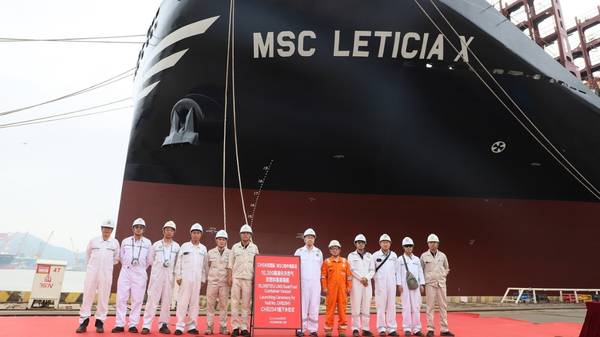
Changhong International launches LNG container ships and tankers for MSC and Navios
Chinese shipbuilder launches four vessels in the space of days, spanning LNG container ships and oil tankers. |
|
|
|
||
|
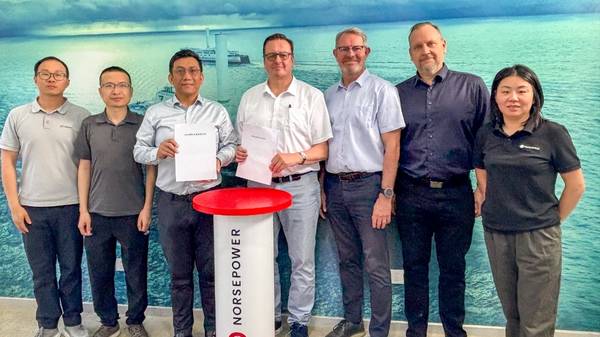
Norsepower and Cosco unit sign R&D agreement to advance rotor sail development
Finnish wind propulsion firm and Chinese manufacturer deepen ties with dedicated research and development pact. |
|
|
|
||
|
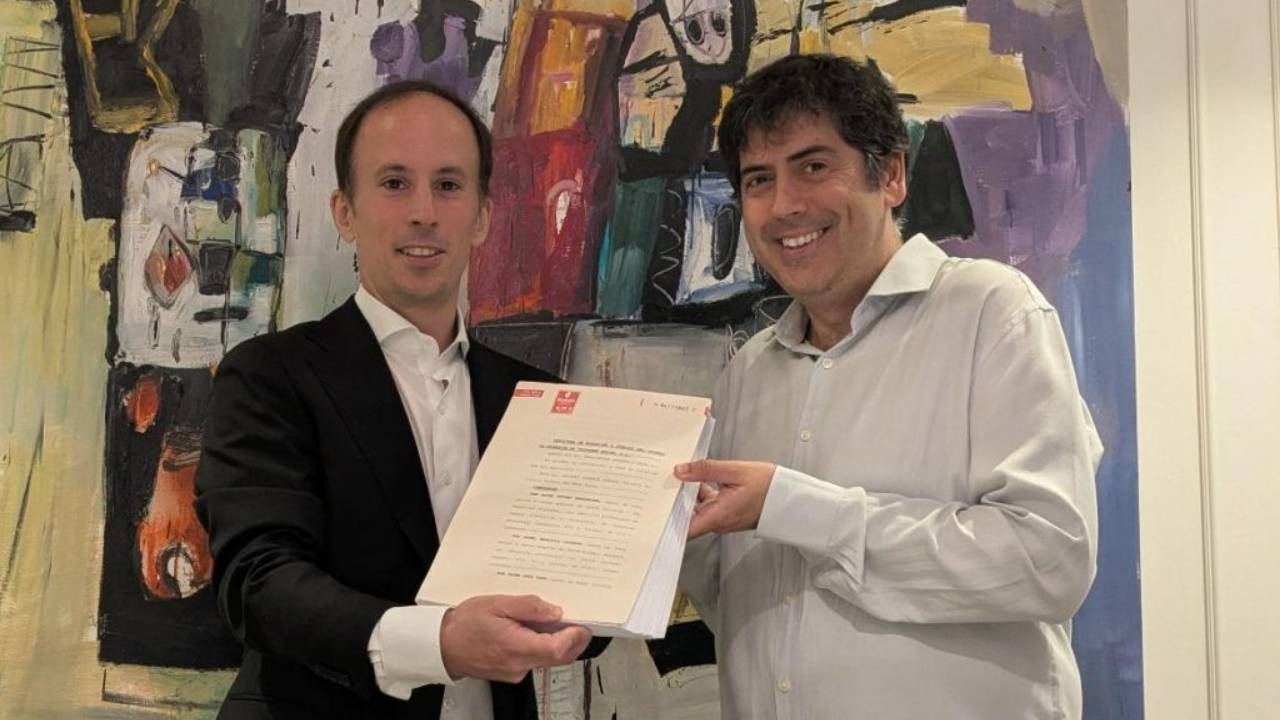
H2SITE closes Series B round above €42m to scale hydrogen membrane technology
Fresh capital secured as firm targets large-scale industrial deployment and expansion into Asian markets. |
|
|
|
||
|
MHI study points to cost reduction potential in India-to-Singapore green ammonia value chain
Mitsubishi Heavy Industries analysis finds value chain optimisation could cut green ammonia costs. |
|
|
|
||
|
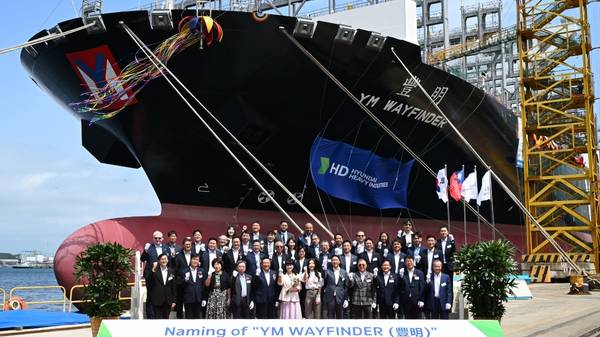
Yang Ming names third LNG dual-fuel boxship for Asia–North Europe service
YM Wayfinder joins two sister vessels already operating on LNG on the FE3 route. |
|
|
|
||
|
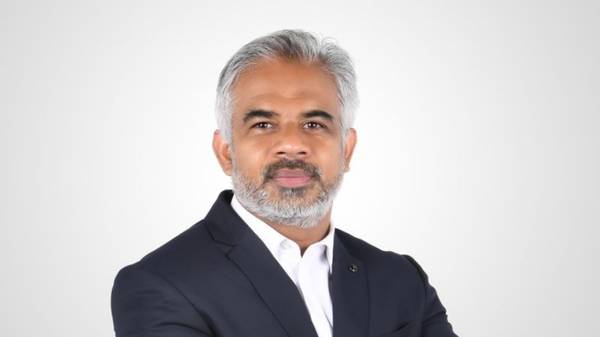
Flex Commodities appoints Milind Homkar as trade controller
Dubai-based trader brings in finance and audit specialist to lead trade control function. |
|
|
|
||
|
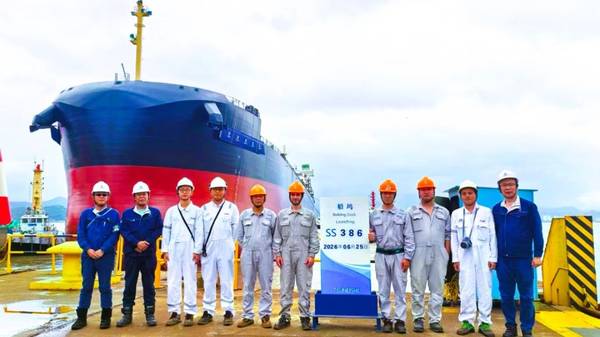
Safe Bulkers launches first methanol dual-fuel bulk carrier at Chinese shipyard
Greek dry bulk operator launches first methanol-powered vessel as part of its fleet renewal programme. |
|
|
|
||
| ExxonMobil issues five 'key' fuel switching tips [News & Insights] |
| Report: one year on from SECA directive's entry into force [News & Insights] |
| Shipping firm fined $129,500 for not switching fuels [News & Insights] |
| Hong Kong mandatory fuel switch approved. Think tank voices support [News & Insights] |
| Beijing Maersk becomes largest vessel to call at Ghana's Tema Port [News & Insights] |
| Maersk introduces emergency bunker surcharge amid Middle East fuel crisis [News & Insights] |
| Golden Island delivers B100 biofuel to Maersk vessels in Singapore [News & Insights] |
| Maersk and Hapag-Lloyd suspend Strait of Hormuz transits amid Middle East security crisis [News & Insights] |
| Maersk marks 50-year Lego partnership with dual-fuel vessel model [News & Insights] |

