New bunkering regulations for ships operating on liquefied natural gas (LNG) have been drafted by the
Gothenburg Port Authority and the
Port of Rotterdam, together with the
Swedish Transport Agency.
The regulations will allow cargo ships to bunker LNG at a cargo terminal and are the first general regulations to be introduced in Sweden.
Commenting on the news,
Dan-Erik Andersson, Vice President Operations at the Port of Gothenburg Energy Port, said: "We firmly believe that liquefied natural gas is the marine fuel of the future. The new regulations will have a key role to play in bringing added momentum to our region."
Describing the environmental benefits of using LNG in shipping in a statement, Gothenburg Port Authority explained that "sulphur and particle emissions are reduced to almost zero, nitrogen emissions are reduced by 85-90 percent and carbon dioxide emissions by 25 percent".
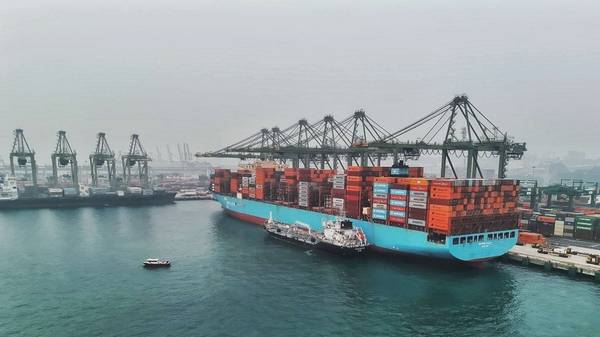
The regulations not only cover bunkering from land using a road truck but also from a bunker vessel, in what is referred to as 'ship-to-ship bunkering'. Requirements governing safety zones, weather, bunker vessels, receiving vessels, terminals and other aspects are also included in the new operating regulations.
"It is particularly pleasing that many ports in Sweden and in other countries have shown great interest in what we have done and are formulating their regulations using our regulations as a template. Even public agencies such as the US Coastguard have contacted us and are interested in an exchange of knowledge," said Andersson.
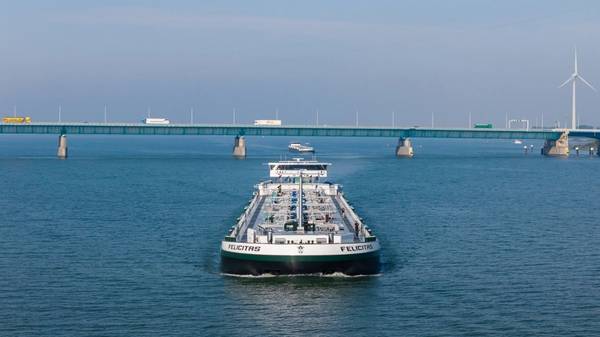
By next year, the Port of Gothenburg will be visited regularly by LNG-powered ships. Tanker operators
Terntank,
Furetank and
Thun Tankers are all due to launch new ships that will be equipped to run on the alternative fuel.
"We expect to receive a visit from an LNG-powered ship once or twice a week next year and many will take the opportunity to bunker in Gothenburg," Dan-Erik Andersson added.
For the time being, natural gas will arrive from terminals outside Gothenburg although eventually there will be an import terminal for LNG at the Port of Gothenburg.
Last year,
Swedegas and
Vopak LNG Holding were granted an environmental permit for the development of an LNG terminal at Gothenburg's Energy Port. The facility forms part of the project being run together with the Port of Rotterdam and Gasunie to create an efficient LNG infrastructure between Sweden and the Netherlands. The common project, LNG Rotterdam Gothenburg, is co-financed by the European Union's TEN-T programme.
Discount for LNG-powered ships
At the turn of the year a new port tariff was introduced at the Port of Gothenburg, which means that LNG-powered ships will receive a 30 percent discount on the port charge when they visit the port.
"Our considerably discounted port charge, together with the new regulations, will provide an excellent incentive for our shipping company clients to switch from oil to liquefied natural gas," concluded Andersson.