Wed 17 Jun 2015, 14:44 GMT

Gulf Petrochem and Repsol in lubricants tie-up


GP Petroleums to manufacture and market Repsol's entire line of lubricants as part of its portfolio.


GP Petroleums Ltd, a subsidiary of Gulf Petrochem Group, has today announced it had formed a strategic partnership with Spanish petroleum company, Repsol, to exclusively manufacture and market Repsol's line of lubricants across India.

As a result, GP Petroleums, which has a strong presence in the industrial lubricants market with its flagship brand IPOL, says it will now begin "a new aggressive marketing strategy" with Repsol.

Sudhir Goyel, Managing Director, Gulf Petrochem Group, commented: "We are delighted to announce the tie-up with Repsol, a very well-reputed international brand and we will be marketing their entire product range as part of our portfolio. With the economy showing recovery, the lubricant segment is expected to witness growth in the future. With evolving engine technology, Repsol lubricants which is focused on innovation is the answer to today's consumer needs.

Orlando Carbo, Lubricants Director, Repsol, said: "We see the Indian market to have great potential. India will be a very important market for us and this tie-up will help us expand our footprint in this ever growing economy. Partnering with GP Petroleums Ltd, a brand with strong presence in the Indian lubricant market, has given us a firsthand advantage in this sector. With our strengths together, we extend our capabilities to globally distribute a wider variety of products."

Gulf Petrochem added: "Repsol's products come with added benefits and special features that will cater to the newly emerging premium and top-end segment across markets in the country. IPOL has been present in India for over four decades and has established itself as a leading industrial lubricant brand. GP Petroleums has well equipped manufacturing facilities with hi-tech blending facility, quality-control test labs and automated filling and packaging stations.

Gulf Petrochem's in-house base oil storage facility of 17,000 kilolitres is one of the largest in the Indian market, and uses remote sensing technology to accurately measure and control the storage volumes. It has an annual production capacity of 80,000 kilolitres.

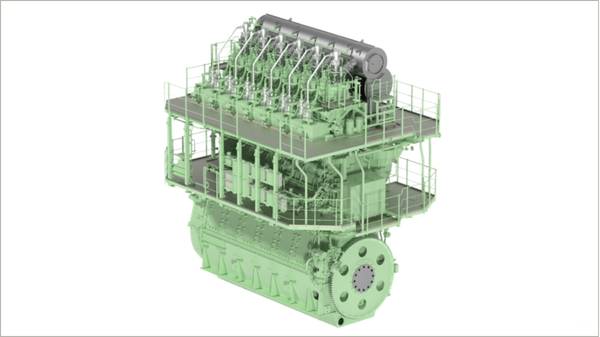
UEC60LSJ ammonia-fuelled engine render. J-ENG secures orders for four ammonia-fuelled engines under Japanese PCTC project  

Vessels form part of plan to build four ammonia-fuelled car carriers, a dedicated bunkering vessel and supply chain.

Hanwha Power receives ABS AiP for battery-powered containership design. ABS grants AIP to Hanwha Power for 1,700-TEU battery-powered container ship  

Design uses roughly 151 MWh of swappable battery storage for fully electric propulsion on a container vessel.

Peter Krahenbuhl, WinGD. WinGD signs first licence deal with HD Hyundai Marine Engine to expand Korean production  

Mid-bore engine portfolio gains new production route into Korea's bulk carrier and tanker newbuild markets.

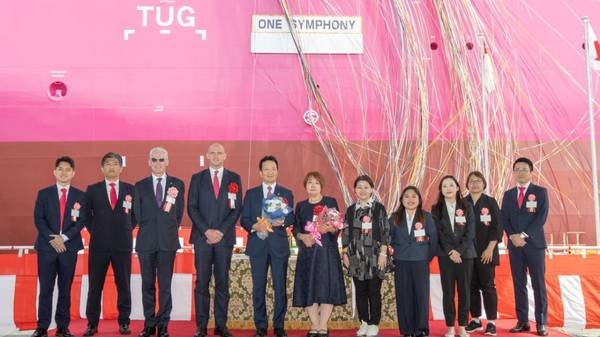
ONE Symphony naming ceremony. Ocean Network Express names ammonia- and methanol-ready newbuild ONE Symphony  

Vessel features conventional diesel main engine, with concept designs approved for possible future conversion to methanol or ammonia.

Sing Fuels logo. Sing Fuels seeks Asia-based supply trader to bolster bunker procurement team  

Singapore bunkering firm is recruiting a supply trader to manage marine fuel purchasing across Asia.

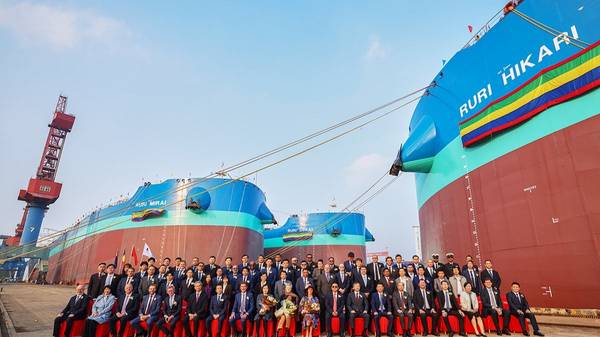
MOL joint naming ceremony. MOL names world's first ammonia-fuelled Capesize bulk carriers  

Naming of Ruri Mirai, Ruri Sekai and Ruri Hikari signals ammonia's arrival as a marine fuel for large bulk carriers.

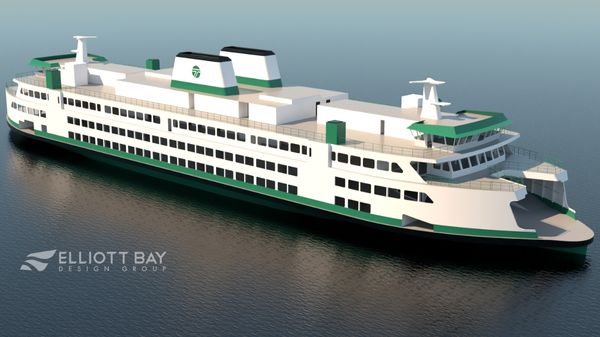
Washington State Hybrid-Electric 160-Auto Ferry vessel render. ABB wins Washington State Ferries' third hybrid-electric vessel order  

ABB extends its role in the US ferry operator's electrification programme, which targets emission-free operations by 2050.

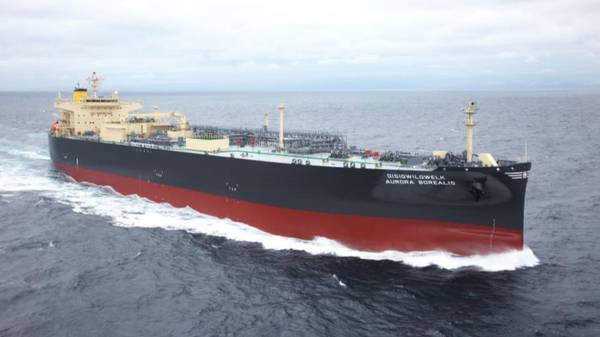
Aurora Borealis vessel. Kawasaki Heavy Industries delivers LPG-fuelled carrier Aurora Borealis  

Ship could also be modified in future to allow for ammonia-fuelled operation.

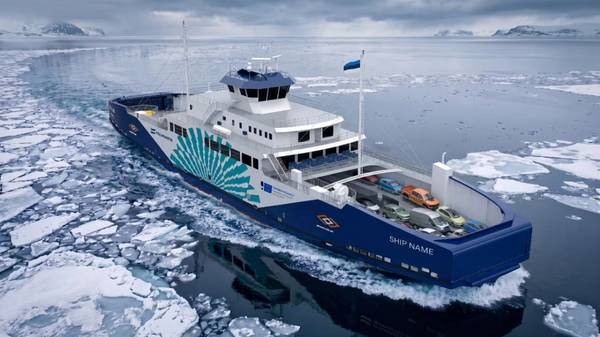
Rendering of Estonia's first shore-charged electric ferry. Estonian State Fleet's shore-charged electric ferry completes model testing in Germany  

Hull and propulsion tests show the vessel's energy consumption remains within contracted limits with room to spare.

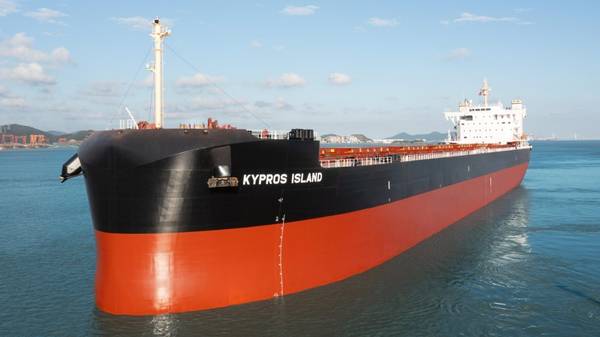
Kypros Island vessel. Tsuneishi delivers first methanol dual-fuel Kamsarmax bulk carrier from Chinese yard  

Shipbuilder claims progress towards establishing a mass-production system for vessels designed to reduce environmental impact.