Tue 26 Mar 2013, 13:28 GMT

Decline in LNG freight market 'likely'


Additional production required to keep unchartered vessels employed is 'not on the cards', says research firm.


Source: Drewry Maritime Research

Drewry's latest LNG Insight saw heating demand subside in major importing regions in February. Cargo availability also tightened because of a few unplanned shutdowns, leading to a 4% decline in the LNG Freight Index.

LNG shipping enjoyed a dream run during 2011 and 2012, owing largely to increasing tonne-mile demand and an almost stagnant fleet. Freight market prospects would be even brighter if fleet supply were to remain at current levels, but this will not be possible as 81 more vessels could join the fleet during 2013-15, while only 10 vessels could be considered as demolition candidates. The fleet could grow to 430 vessels (accounting for projected demolitions) by the end of 2015, representing a rise of 20% from current levels.

The orderbook-to-fleet ratio was 30% at the end of February, while it was just over 8% at the end of 2010. In 26 months, fresh orders for 89 vessels aggregating 14.5 million cbm were placed.

Based on liquefaction capacity addition plans in Australia and the US, the LNG shipping industry could need many more vessels in the latter half of the decade than are currently on order. A few positive developments in Africa also indicate that LNG production could rise significantly if everything goes as planned.

However, the major concern for shipowners is that not much liquefaction capacity will be added during 2013-15, when most of the new vessels are delivered. Reports of a possible re-start of Japanese nuclear facilities could also return the market to the times when vessels waited for months waiting for employment or for commissioning of the project with which they were ordered.

Japan was the single largest factor driving the market in 2012, and the trend is expected to continue in 2013, as re-starting all of the nuclear facilities cannot be a hurried process. Still, the medium-term outlook for unchartered vessels does not appear bright as about 40 million tonnes per annum of additional production would be required to keep these vessels employed. Unfortunately, this is not on the cards, so the short-term and spot freight markets are likely to start falling soon.

The Drewry LNG Freight Index is freight rate assessments based on actual deals and market reports for a conventional LNG carrier of 160,000-173,000 cbm and less than five years of age. Hire period for long-term freight rate assessments are for charter durations of 15 years or more, while short-term freight rate assessments are based on charter duration of one to three years. Base year for the Index is January 2005.


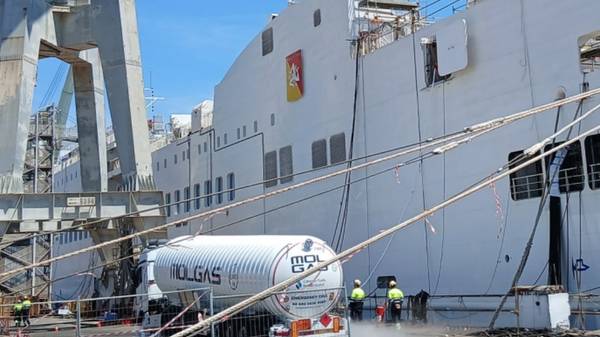
Truck-to-ship (TTS) LNG bunkering at Port of Palermo. Molgas completes first LNG bunkering operation at Palermo  

Spanish energy firm carries out maiden LNG delivery at Sicilian port.

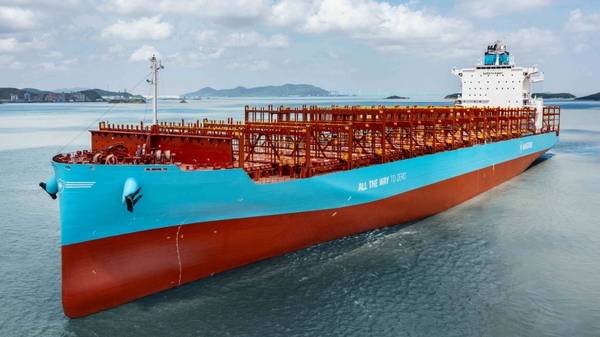
Maersk 5,900-teu vessel. Tsuneishi China delivers third methanol dual-fuel boxship in series  

Zhoushan shipbuilder hands over another 5,900-teu Maersk container vessel.

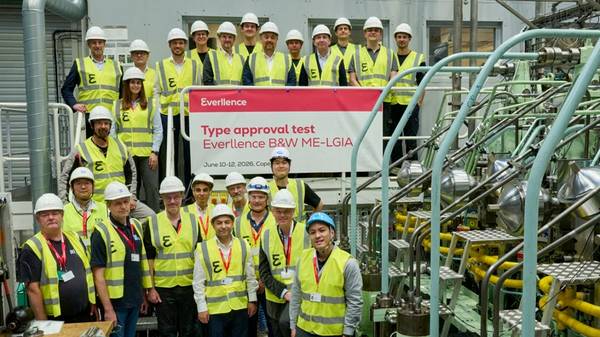
Type approval test (TAT) for ME-LGIA ammonia engine. Everllence completes type approval test for ammonia engine ahead of sea trials  

Eight classification societies oversee testing of ME-LGIA ammonia engine at Copenhagen research centre.

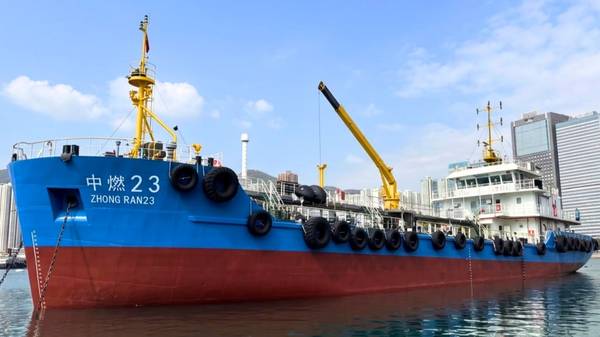
Zhong Ran 23 vessel. CPN bunker barge becomes first vessel listed under Hong Kong’s new quality bunkering scheme  

Zhong Ran 23 achieves listing under the Marine Department’s voluntary mass flow metering initiative.

Peder Moller, Bunker Holding. Bunker Holding posts $73m pre-tax profit amid geopolitical headwinds and board overhaul  

Marine fuels exceeds its own expectations despite 4% revenue decline.

Oilmar Board of Directors graphic. Oilmar formalises governance structure with establishment of board of directors  

Dubai-based marine fuels trader Oilmar appoints three-member board.

Henrik Andersen, Vestas Wind Systems A/S. Vestas Wind Systems CEO appointed vice chair of Bunker Holding  

Henrik Andersen joins the board of the marine fuels group with more than two decades of international business experience.

Tina Revsbech, Maersk Tankers. Maersk Tankers CEO Tina Revsbech joins Bunker Holding board  

Danish USTC Group appoints shipping veteran to subsidiary’s board of directors.

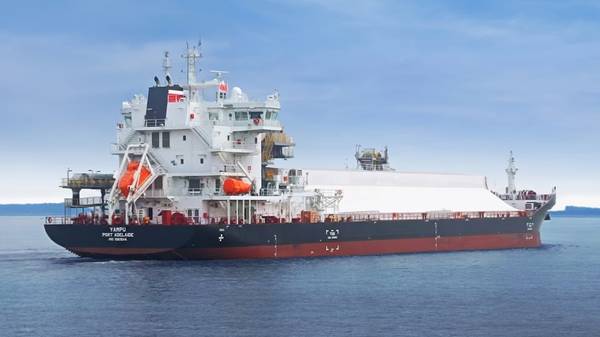
Yampu vessel. CSL delivers world’s first battery-powered self-unloading bulk carrier  

MV Yampu will transport limestone for Adbri in Australia, with full electric operation targeted by 2031.

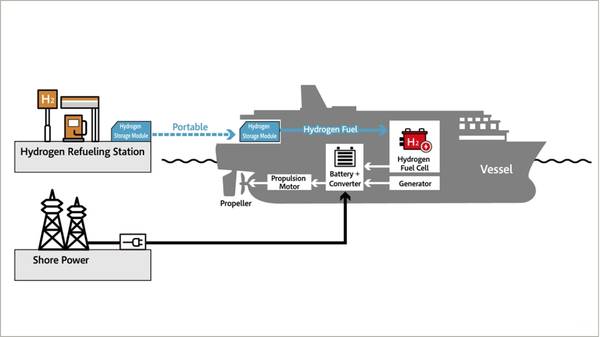
Illustration of hydrogen fuel cell system. NYK, Yanmar and Eneos to install hydrogen fuel cell system on new Tokyo dining cruise vessel  

Three Japanese companies are collaborating to bring hydrogen propulsion to a dining cruise ship due to enter service in 2027.