
 |
The Port of Rotterdam handled 17,644 cbm of bio-LNG in 2025, representing a more than sixfold increase from the 2,775 cbm bunkered in 2024, according to figures released by the port authority.
Maritime shipping bunkered 9.8 million tonnes of fuel in Rotterdam last year, an increase of 3,000 tonnes compared with 2024. For the first time, vessels bunkered more than 1 million cbm of LNG at the port, including the growing volume of bio-LNG.
Biomethanol bunkering also rose sharply, with 11,819 tonnes delivered in 2025 compared with 3,946 tonnes the previous year — a threefold increase.
However, the total volume of bio-blended fuels decreased by 14% compared with 2024. The port authority attributed this decline to increased availability of bio-blended fuels in Asia following the European Union’s imposition of anti-dumping duties on Chinese biodiesel.
From the third quarter of 2025 onwards, bio-blended fuel volumes began to recover following the dip in 2024, according to the port.
In April 2025, the first ship-to-ship ammonia transfer took place at a terminal quay in the Port of Rotterdam. The port described this as a step in preparing for vessels that will operate on green ammonia and wish to bunker the fuel in Rotterdam.
The figures indicate growing diversification in marine fuel types as the shipping industry explores alternatives to conventional fossil fuels.
|
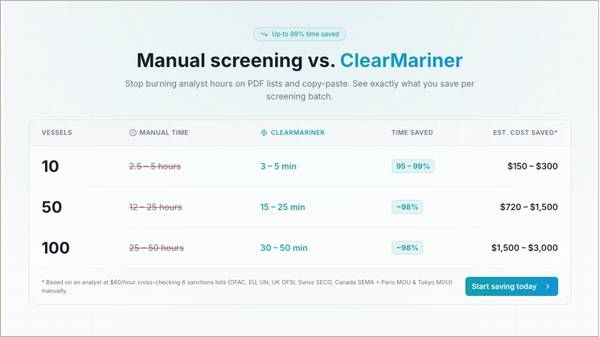
ClearMariner expands maritime sanctions screening with ESG, emissions and API support
Online service now combines sanctions checks with voyage CO₂, CII, EU ETS and FuelEU Maritime estimates. |
|
|
|
||

|
Flex Commodities adds Long Jing Xin to Singapore marine fuels team
Company appoints associate for marine fuels as part of plan for regional expansion. |
|
|
|
||
|
CMA CGM recruiting risk manager to oversee oil, gas and CO₂ exposure in energy and bunkering unit
Container line seeks senior hire for hedging, stress testing and fuel purchasing performance oversight. |
|
|
|
||
|
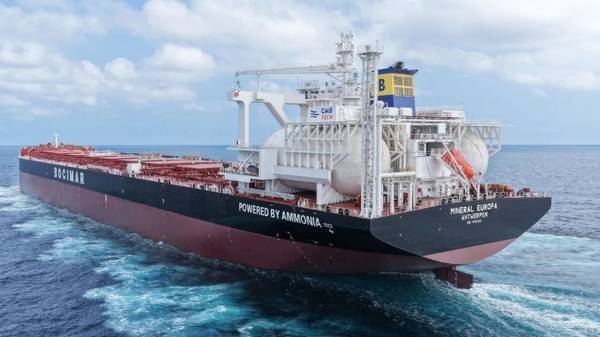
CMB.Tech's Mineral Europa starts maiden voyage as first ammonia-powered dry bulk vessel
Ship is bound for Australia, with 21 ammonia-powered vessels due to join its fleet by 2029. |
|
|
|
||
|
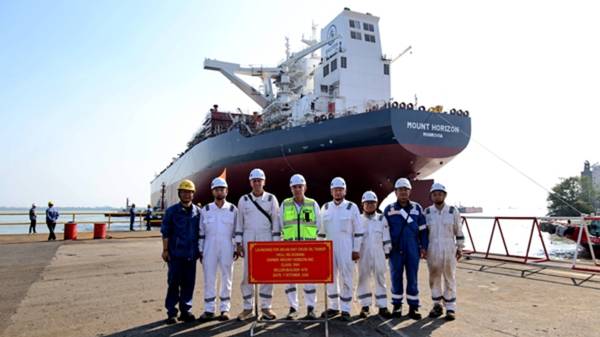
New Times Shipbuilding launches 299,500-DWT LNG dual-fuel crude oil tanker
Sixth vessel in series launched in Jiangsu province, China. |
|
|
|
||
|
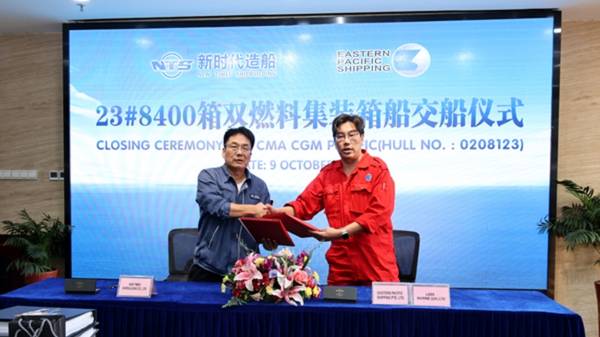
LNG dual-fuel boxship handed over to Eastern Pacific Shipping
Closing ceremony held for 8,400-TEU vessel in Jiangsu province. |
|
|
|
||
|
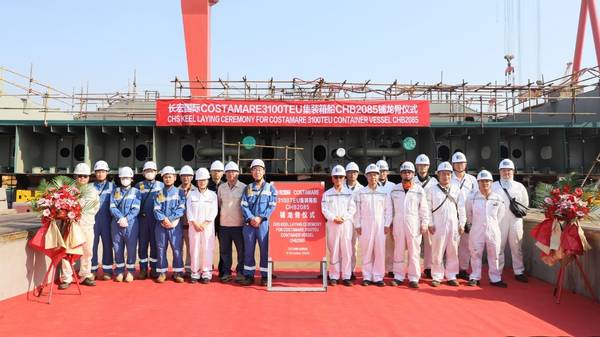
Changhong International lays keel of third 3,100-TEU boxship for Costamare Shipping
Feeder vessel to feature scrubber system, supporting the use of high-sulphur fuel oil. |
|
|
|
||
|
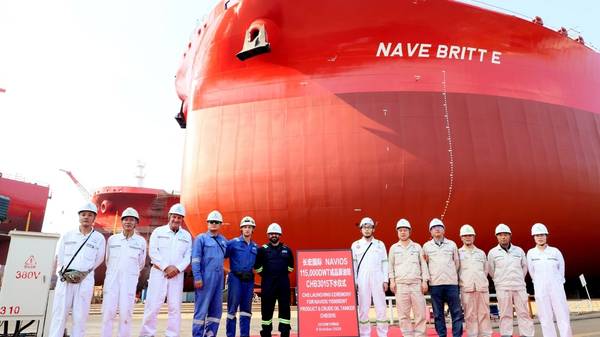
Changhong International launches fifth 115,000-tonne product tanker for Navios
Vessel is designed for future methanol or LNG use and includes provision for medium-voltage shore power. |
|
|
|
||

|
ABS and US Department of Energy sign MoU on maritime nuclear applications
Agreement covers floating nuclear power, nuclear-powered vessels and the port and shipyard infrastructure needed to support them. |
|
|
|
||
|
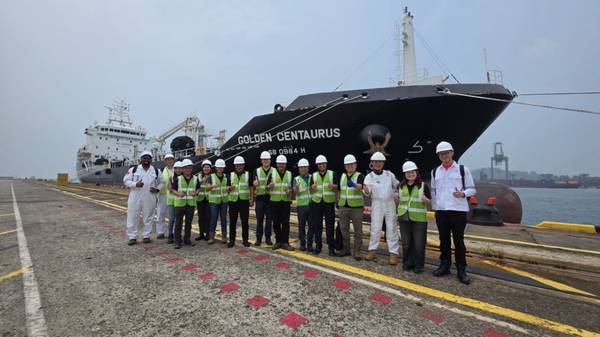
Singapore safety council inspects methanol bunker tanker Golden Centaurus
NMSSC members 'encouraged' by integration of structural and operational safety into newly commissioned IMO Type II vessel. |
|
|
|
||
| IBIA to run surveyor training course for mass flow meter-equipped bunkering in Rotterdam [News & Insights] |
| Rotterdam bunker industry faces upheaval as new regulations drive up costs and shift volumes [News & Insights] |
| Reganosa’s Mugardos terminal adds bio-LNG bunkering for ships and trucks [News & Insights] |
| Molgas begins bio-LNG bunkering operations at Le Havre [News & Insights] |
| CMB.Tech's Mineral Europa starts maiden voyage as first ammonia-powered dry bulk vessel [News & Insights] |
| New Times Shipbuilding launches 299,500-DWT LNG dual-fuel crude oil tanker [News & Insights] |
| LNG dual-fuel boxship handed over to Eastern Pacific Shipping [News & Insights] |
| Changhong International launches fifth 115,000-tonne product tanker for Navios [News & Insights] |
| Changhong International launches fifth 115,000-tonne product tanker for Navios [News & Insights] |
