
 |
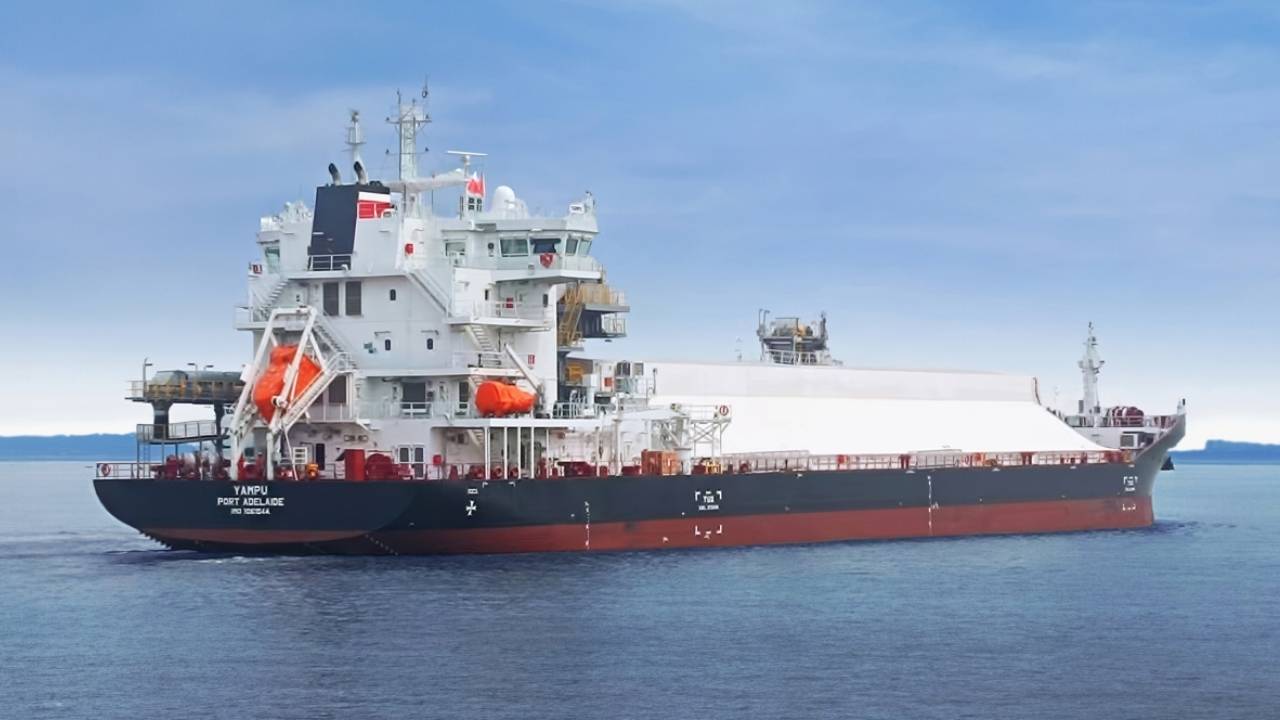
CSL and Australian building materials company Adbri have announced the delivery of MV Yampu, described as the world’s first battery-powered self-unloading bulk carrier, marking a notable development in low-carbon bulk shipping.
The vessel was officially handed over at Jiangjiang Nanyang Shipyard on 5 June, and has since departed on its maiden voyage to commence limestone transport operations for Adbri at Birkenhead, South Australia.
The purpose-built 11,000-deadweight-tonne (DWT) vessel — owned and operated by CSL — has been designed to carry approximately 2.7 million tonnes of limestone annually for Adbri, which, according to CSL, represents a 35% increase in capacity over the ship it replaces.
Equipped with hybrid propulsion technology, MV Yampu is said to be capable of reducing diesel consumption by 25% and cutting Scope 1 emissions by 40% compared to its predecessor. CSL adds that by 2031 the vessel will operate fully on electric power, enabling emissions reductions of more than 90%.
The 125-metre vessel has a gross tonnage of 9,602 tonnes and a total hold capacity of 8,576 cbm, with a maximum discharge rate of 1,500 tonnes per hour and a maximum loading rate of 1,800 tonnes per hour. It features a fixed, single-point loading system with a single hopper, and a cargo-handling system that eliminates the need for cargo shifting during loading—an arrangement CSL says improves the safety and efficiency of cargo operations.
MV Yampu carries Lloyd’s Register classification of +100A1 Bulk Carrier, Self-Unloading, with hybrid power notation, and was built in 2026.
CSL said the vessel is the result of close collaboration between the two companies, reflecting “a shared commitment to innovation, operational excellence, and the decarbonisation of the maritime industry.”
|
Wind-assisted propulsion 'no longer just a concept', ICS panel says
Shipowners weigh wind power as a practical, low-risk route towards decarbonisation targets. |
|
|
|
||
|
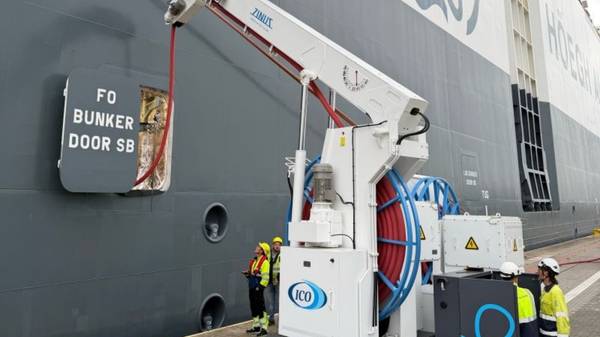
Höegh Autoliners vessel connects to shore power for the first time in Europe
Höegh Starlight used 11 kV shore power in Zeebrugge, allowing it to switch off its auxiliary engines while alongside. |
|
|
|
||
|
Chinese shipbuilder ROC signs deal for up to eight methanol-ready CSOVs
Contract signed with European shipowner for vessels designed for offshore wind farm maintenance work. |
|
|
|
||
|
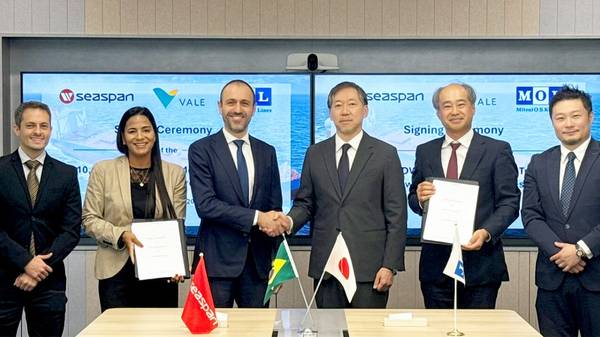
MOL and Vale sign 25-year deal for tri-fuel ore carriers
New vessels will be able to run on ethanol, methanol or heavy fuel oil, offering fuel flexibility. |
|
|
|
||
|
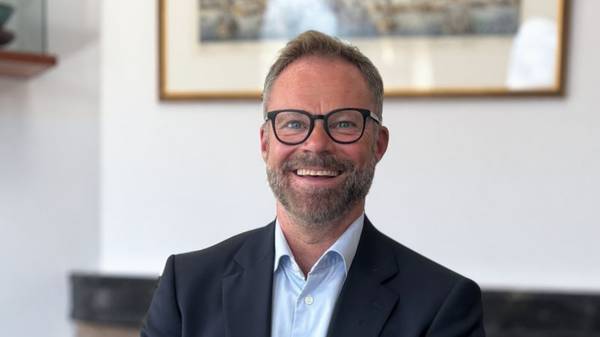
ScanOcean appoints Lars Malmbratt as senior commercial manager
Swedish firm strengthens commercial team with experienced industry executive based in Gothenburg. |
|
|
|
||
|
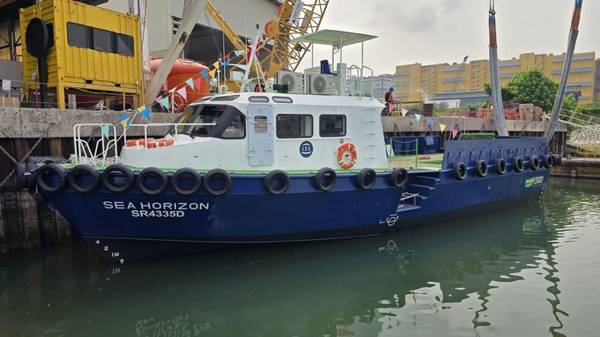
Pinnacle Marine launches second B100-compatible harbour craft for Les Star
Sea Horizon joins Singapore’s harbour craft fleet. |
|
|
|
||
|
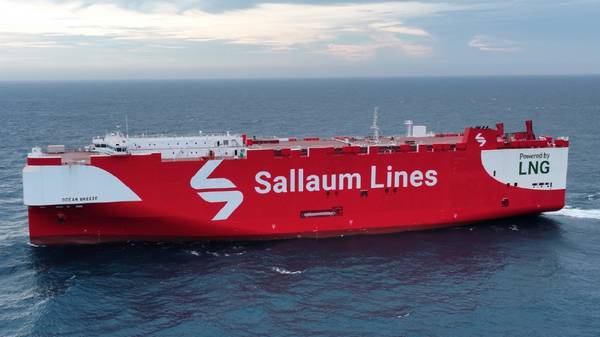
Sallaum Lines orders LNG-fuelled, ammonia-ready PCTCs from Chinese yards
Operator signs shipbuilding agreements for new generation of 8,600-CEU vessels, taking its newbuild investment past $1bn. |
|
|
|
||
|
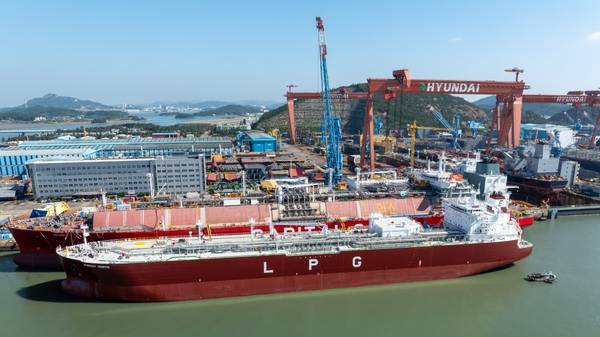
Nakilat takes delivery of dual-fuel carrier in South Korea
Ammonia-ready design positions vessel to play key role in future low-carbon energy supply chains, says Qatari firm. |
|
|
|
||
|
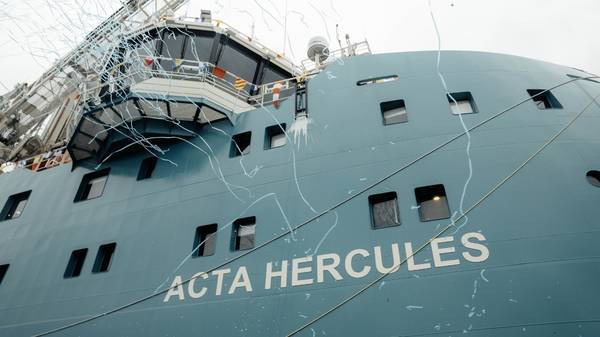
Acta Marine christens methanol dual-fuel vessel Acta Hercules in IJmuiden
Dutch operator marks the christening of its second newbuild CSOV. |
|
|
|
||
|
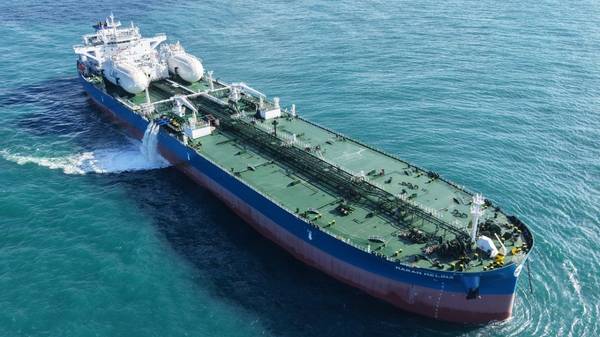
Angelicoussis Group takes delivery of fifth dual-fuel Suezmax tanker
Maran Tankers Management adds the 155,500-DWT Maran Melina to its fleet. |
|
|
|
||
| Höegh Autoliners vessel connects to shore power for the first time in Europe [News & Insights] |
| Höegh Autoliners vessel connects to shore power for the first time in Europe [News & Insights] |
| Chinese shipbuilder ROC signs deal for up to eight methanol-ready CSOVs [News & Insights] |
| MOL and Vale sign 25-year deal for tri-fuel ore carriers [News & Insights] |
| Pinnacle Marine launches second B100-compatible harbour craft for Les Star [News & Insights] |
