
|
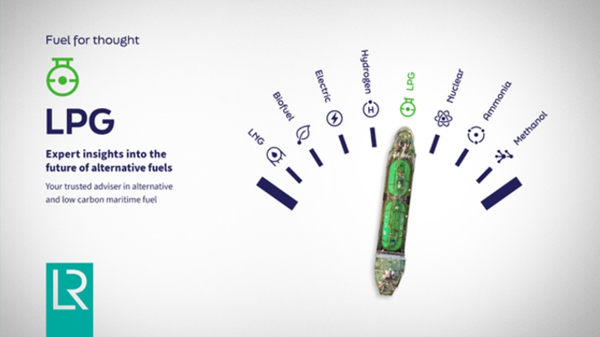
Lloyd’s Register examines LPG as marine fuel in new research report
Classification society evaluates LPG emissions benefits, safety considerations and technology readiness for shipping. |
|
|
|
||

|
Finnlines begins construction of first methanol-capable ro-pax vessel in EUR 500m newbuild programme
Grimaldi Group subsidiary begins work on Hansa Superstar class ships at Chinese shipyard. |
|
|
|
||
|
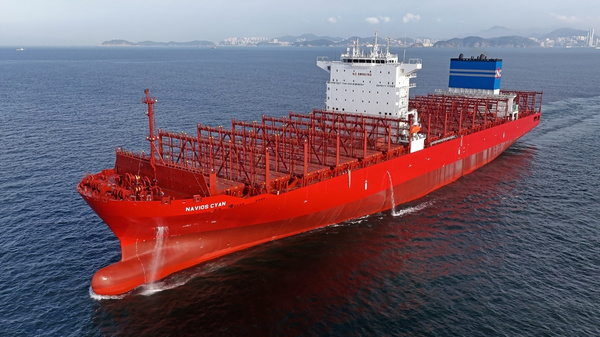
Navios Partners takes delivery of LNG- and methanol-ready boxship
The 7,900-teu Navios Cyan is the first of four newbuildings in the series. |
|
|
|
||
|
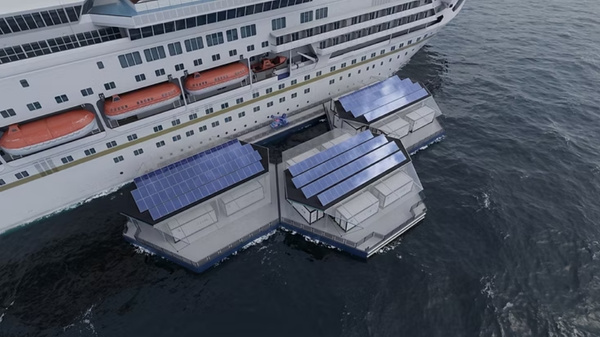
Floating hydrogen power hub validated for grid-independent ship charging at berth
ELIRE Maritime-led consortium validates modular platform delivering 5MW of clean power without a shoreside grid connection. |
|
|
|
||
|
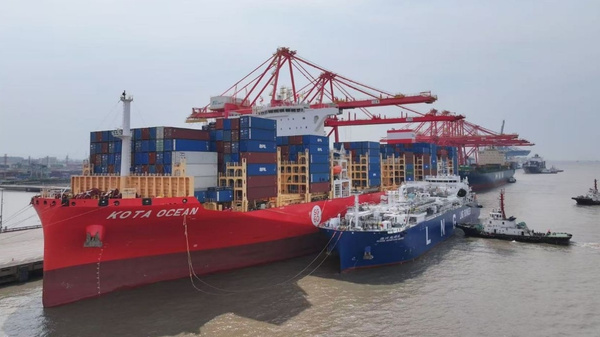
PIL completes first LNG bunkering at Shanghai’s Mingdong Terminal
Kota Ocean took on 4,300-cbm of LNG during simultaneous cargo operations. |
|
|
|
||
|
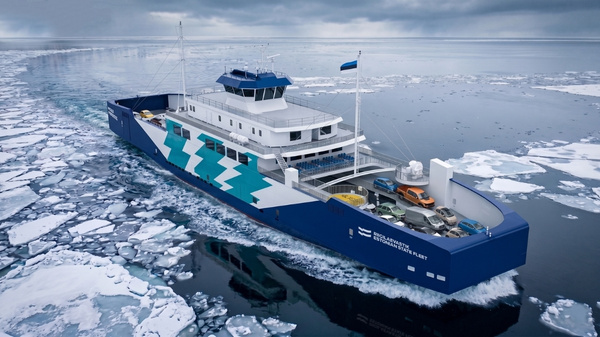
Estonia orders first fully electric ferry from Polish shipyard CRIST
Battery-powered vessel designed by LMG Marin will operate on the Virtsu–Kuivastu route from 2028. |
|
|
|
||
|
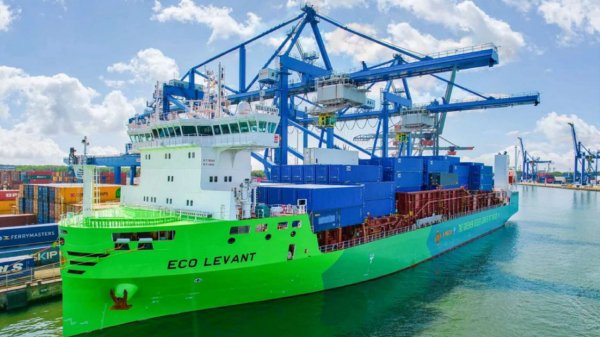
X-Press Feeders trials ethanol-methanol blend in Rotterdam
Container operator tests 10-90 ethanol-methanol fuel mix aboard Eco Levant vessel. |
|
|
|
||
|
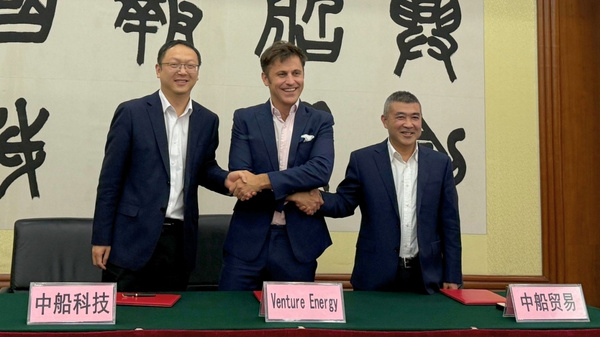
Venture Energy signs green methanol cooperation agreement
MoU establishes framework for long-term offtake and capacity development in maritime decarbonisation. |
|
|
|
||
|
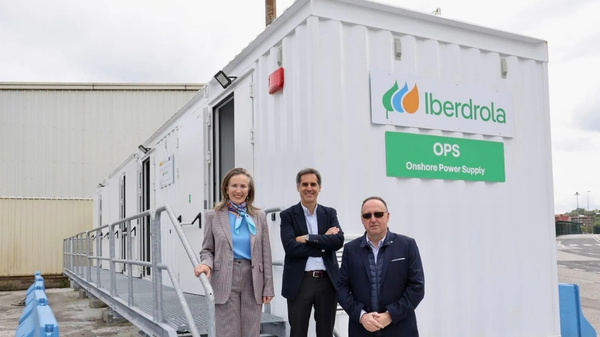
Iberdrola España completes shore power installation at the Port of Pasaia
Spanish utility installs onshore power supply system, enabling docked vessels to use renewable electricity. |
|
|
|
||
|
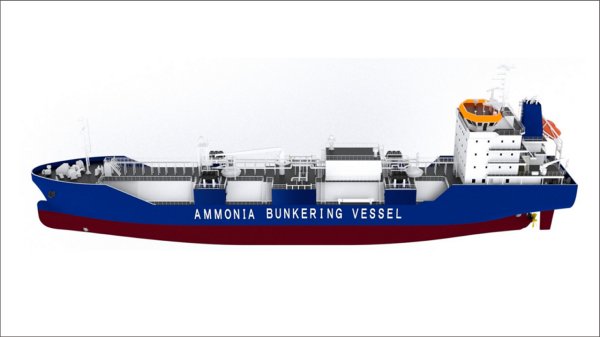
Itochu secures approval for ammonia bunkering trials in Singapore
Japanese trading house to conduct two-year trial following MPA authorisation. |
|
|
|
||
| Sea trials in January for LNG-fuelled ro-ro ship [News & Insights] |
| South American bunker firm to close down [News & Insights] |
| OW Bunker secures Shell Brazil contract [News & Insights] |
| New GAC bunker service in Brazil [News & Insights] |
| Vilma Oil Med expands Ceuta bunkering operations with biofuel capability [News & Insights] |
| New dual-fuel RoRo concept with bow-mounted engine room unveiled [News & Insights] |
| Biodiesel cuts black carbon emissions by up to 81% in shipping trial [News & Insights] |
| Hormuz Marine receives GCC recognition as bunkering provider [News & Insights] |
| 2025 Marine Fuel Review | Steve Bee, VPS [News & Insights] |

