
|
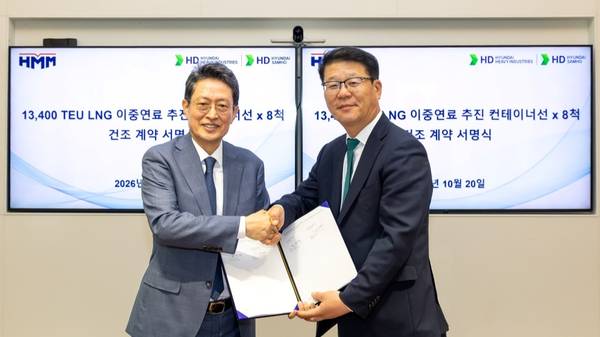
HMM orders eight LNG dual-fuel container ships in newbuild push
South Korean carrier commissions 13,000-TEU vessels from HD Hyundai, with deliveries due to begin in 2029. |
|
|
|
||
|
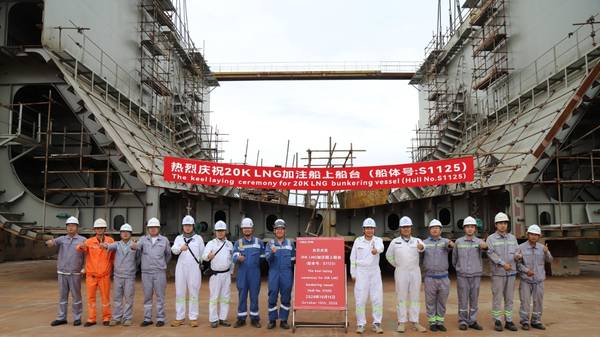
CIMC SOE advances construction on three LNG bunker vessels
Chinese shipbuilder progresses three bunker vessel projects in the same week. |
|
|
|
||
|
Verde Marine Energy adds two staff as it expands bunkering operations in ARA region
Dutch bunker supplier hires former Melroh Trading employees and launches RMG 380 3.5% HSFO barge service following Sunoco Marine tie-up. |
|
|
|
||
|
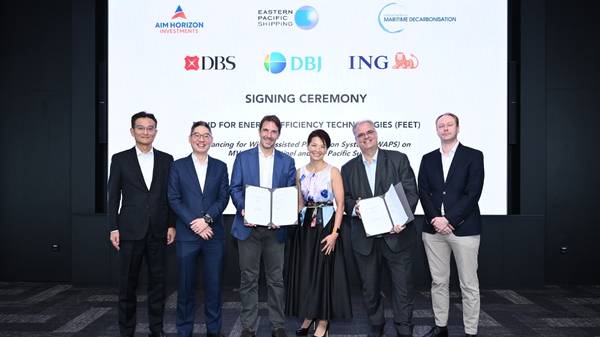
Fund for Energy Efficiency Technologies finances first wind-assisted propulsion projects with Eastern Pacific Shipping
GCMD and AIM Horizon Investments link verified fuel savings to financing for two EPS vessels fitted with wind-assisted propulsion. |
|
|
|
||
|
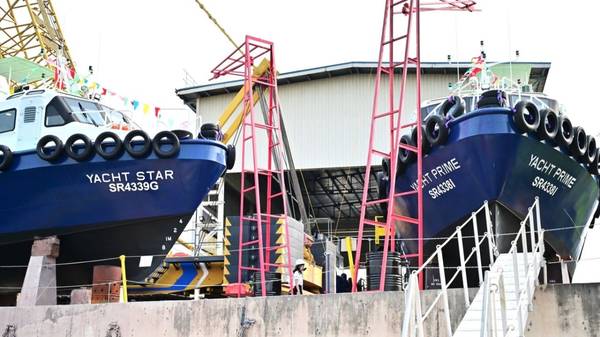
Pinnacle Marine launches two B100-compatible utility boats for Excelessel Offshore
Singapore shipbuilder nears completion of six-vessel B100 series. |
|
|
|
||
|
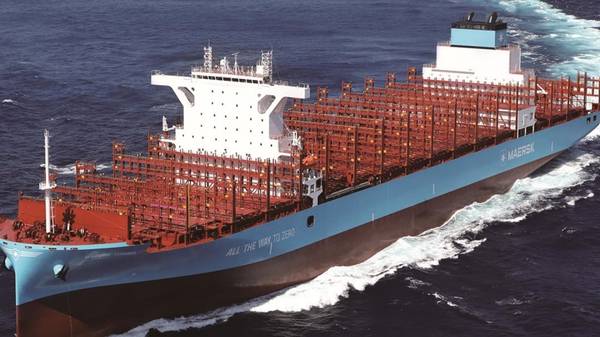
BSM takes over methanol-fuelled Maersk Torino, building alternative fuel experience
Ship manager adds methanol-fuelled container vessel to its fleet, citing growing expertise in alternative fuel operations. |
|
|
|
||
|
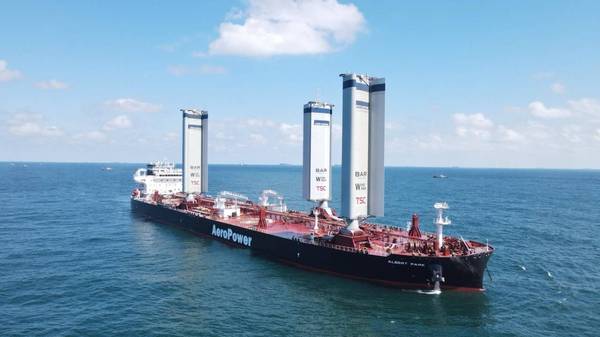
Bureau Veritas marks naming of Union Maritime's wind-assisted Aframax tanker
Albert Park, fitted with three WindWings sails, is Chinese yard's first wind-assisted Aframax product tanker. |
|
|
|
||
|
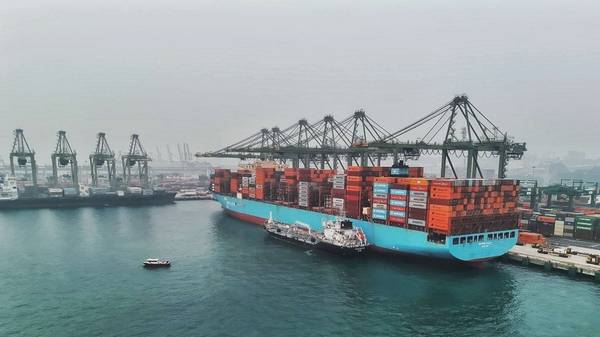
Singapore completes world's largest ethanol bunkering operation
Maersk, Golden Island and PSA perform ethanol bunkering in Singapore, drawing on methanol handling experience and safety protocols. |
|
|
|
||
|
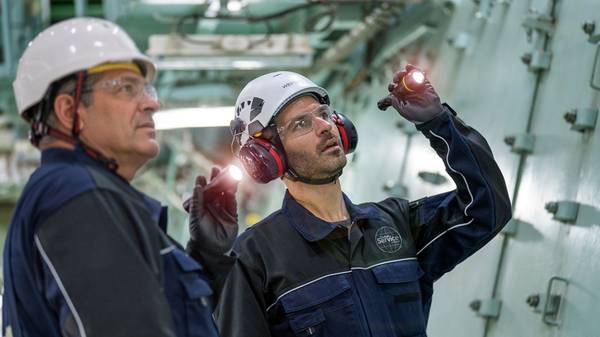
WinGD signs five-year service deal for NYK LNG carrier fleet
Swiss engine designer WinGD will support ten dual-fuel engines across five Japanese-operated LNG carriers. |
|
|
|
||
|
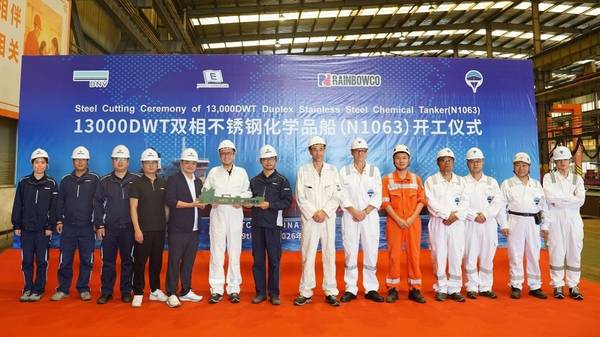
Steel cut for third methanol-ready chemical tanker in ROC-Essberger series
Chemical tanker series is designed with provisions for methanol fuel and wind-assisted propulsion systems. |
|
|
|
||
| Georgian supplier installs Emerson flowmeters [News & Insights] |
| CSL and OWL launch first subsea rock installation vessel for offshore wind [News & Insights] |
| Steel cutting marks start of construction on dual-fuel icebreaking research vessel [News & Insights] |
| Flexibility, not fuel choice, is key to energy transition, says Auramarine [News & Insights] |
| Petrobras receives authorisation for export bunker sales by barge at Suape [News & Insights] |
| Petrobras resumes VLSFO sales at Itaqui as MGO supply disruption continues [News & Insights] |

