Tanker operator Uni-Tankers and marine fuel seller KPI OceanConnect have completed the supply and trial of a bespoke blend of B30 biofuel aboard the 5,700-dwt chemical tanker M/T Alsia Swan.
During the trial, which took place in Amsterdam, KPI OceanConnect arranged for the supply of 34,000 litres of bio grade fuel containing a blend of 30% FAME (fatty acid methyl esters) and 70% fossil MGO.
The two-day trial involved the comparison of emissions for the biofuel against low-sulphur marine gasoil (LSMGO) under the same conditions.
During the course of the project, KPI OceanConnect says its local team of traders worked with Uni-Tankers to identify a biofuel to meet their bespoke needs. The team then oversaw the blending process to ensure the fuel met precise specifications, and was later on hand for the delivery to ensure the specially blended product supplied for the M/T Alsia Swan trials was of the required quality.
Throughout the trial, tests were carried out at four different loads to assess the reliability and performance of the bio-fuel blend. Alongside trials of the B30 biofuel, Uni-Tankers ran identical operations for an LSMGO fuel of equal quality, allowing accurate comparisons of the B30 biofuel's performance. Sampling and analysis for the trial was performed by a team from FORCE Technology.
In results from the trial, Uni-Tankers says it saw particulate matter (PM) emissions reduced by as much as 42% when the fuel supply was switched from LSMGO fuel to B30, and that carbon monoxide (CO) emissions were reduced by 18%. The form also notes that by using of a blend of 30% biofuel and 70% fossil MGO, the Alsia Swan is able to cut lifecycle emissions of CO2 by an equivalent amount.
Jesper Sørensen, Global Head of New Fuels and Carbon Markets, KPI OceanConnect, commented: "By sharing our knowledge and providing expert guidance on fuel strategies, including finding the right biofuel blend ratio to meet the specific needs of vessel operators, we aim to build partnerships with our clients that support their long-term success through the energy transition in shipping. For KPI OceanConnect our close partnership with Uni-Tankers is a model for delivering excellence to our clients."
Lisa Clement Jensen, Head of Strategy at Uni-Tankers, remarked: "Decarbonization is at the top our strategic agenda and we aim to contribute to a climate-resilient development of the shipping industry. These trials enable us to assess the potential and viability of biofuels as part of our ongoing decarbonization efforts."
|
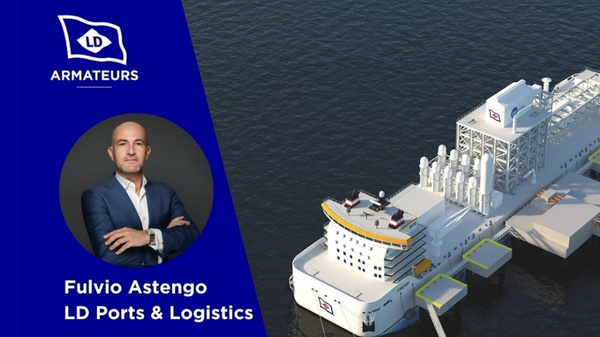
LD Armateurs to present floating ammonia terminal concept at London energy conference
French shipowner to showcase FRESH platform design for offshore hydrogen and ammonia supply chains. |
|
|
|
||
|
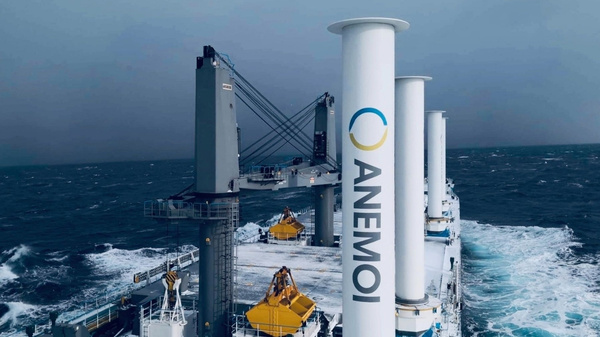
Anemoi rotor sails complete eight years of operation on bulk carrier M/V Afros
Lloyd’s Register survey finds no operational issues with wind propulsion system after extended service. |
|
|
|
||

|
Uni-Fuels seeks general manager for London bunker trading desk
Nasdaq-listed marine fuel supplier recruits for commercial leadership role with P&L responsibility. |
|
|
|
||
|
NE Atlantic ECA will cause significant change to the current fuel mix | Steve Bee, VPS
The possibility of off-spec issues highlights the continuing need for proactive fuel testing to protect vessels. |
|
|
|
||
|
Smart ships failing to convert data into actionable intelligence, warns SmartSea
Maritime technology firm claims vessels collect vast amounts of data but lack integration to support decision-making. |
|
|
|
||
|
DNV forecasts 100-fold growth in clean hydrogen by 2060, with China leading expansion
Classification society projects $3.2tn investment in hydrogen sector, with maritime accounting for 15% of clean hydrogen use. |
|
|
|
||
|
Dual-fuel container ship and vehicle carrier fleet surpasses 1,200 vessels
World Shipping Council reports 65% year-on-year increase in operational dual-fuel vessels to 440 ships. |
|
|
|
||
|
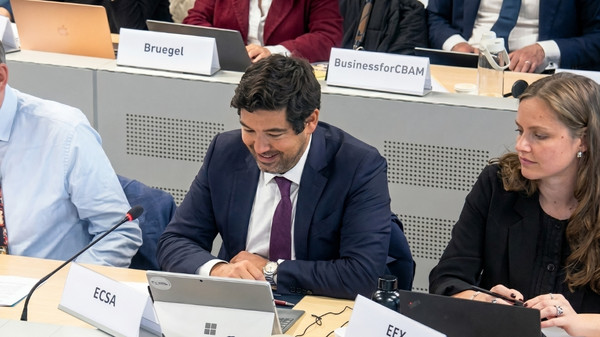
European Shipowners calls for ETS revenue investment and fuel supplier mandate
ECSA urges the EU to invest €9bn in annual ETS revenues in fuel production and infrastructure. |
|
|
|
||
|
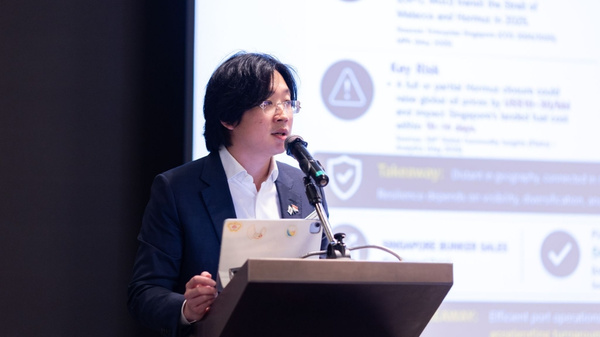
Singapore bunker industry urged to prioritise resilience and collaboration
SSA committee vice chair highlights energy security and crisis readiness at Marine Fuels Forum 2026. |
|
|
|
||
|
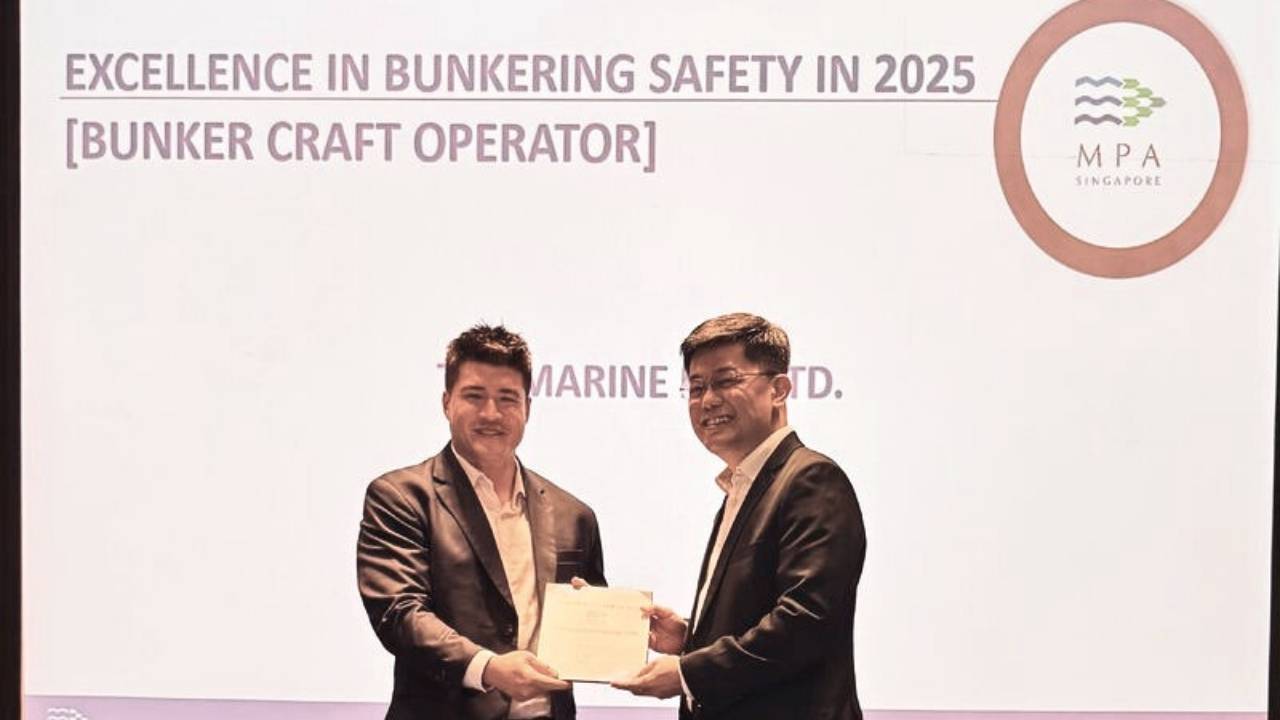
TFG Marine receives bunker safety award from Singapore maritime authority
Marine fuel supplier recognised for safety standards and operational performance at MPA Marine Fuel Forum. |
|
|
|
||
| Bunker Holding launches five-year plan [News & Insights] |
| Bunker One launches its first methanol bunker tanker [News & Insights] |
| Pakistan: Supplier adds bunker barge [News & Insights] |
| Rotterdam Market Report [News & Insights] |
| Bunker sales hit new record in Singapore [News & Insights] |
| Rotterdam Market Report [News & Insights] |
| CPN delivers first B30 marine gasoil to OOCL in Hong Kong [News & Insights] |