|
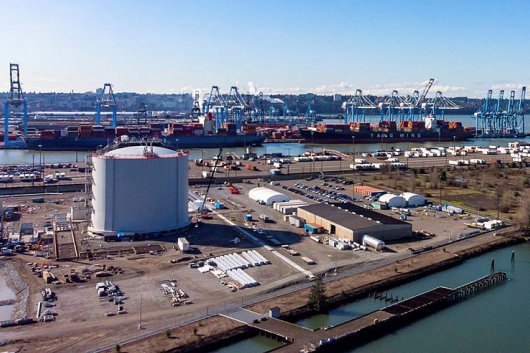
PetroChina seeks LNG bunker trader to expand Asian marine fuel business
Role requires five to ten years of commercial experience in LNG, bunker trading, marine fuels, commodities, or energy trading. |
|
|
|
||
|
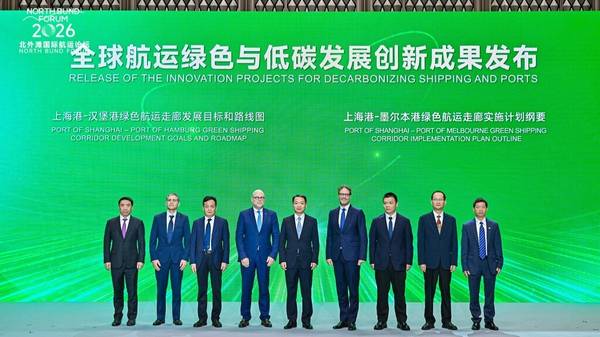
Shanghai and Melbourne ports move green shipping corridor into delivery phase
Ports launch implementation plan targeting green methanol, biofuels and shore power by 2035. |
|
|
|
||
|
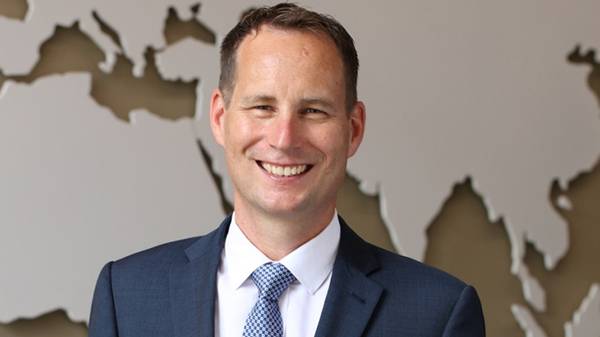
WinGD CEO warns of mounting cost due to Net Zero Framework delay
Dominik Schneiter says shipping's fossil-fuelled newbuild boom shows the cost of the IMO's delayed climate policy. |
|
|
|
||
|
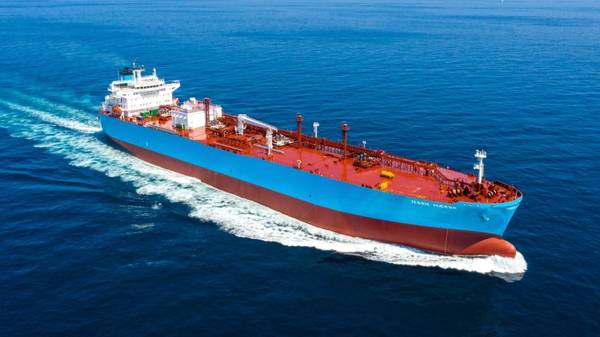
Maersk Tankers names second gas carrier in South Korea
Jessie Maersk, built to carry LPG and ammonia, joins a ten-ship series as the company expands its gas-shipping business. |
|
|
|
||
|
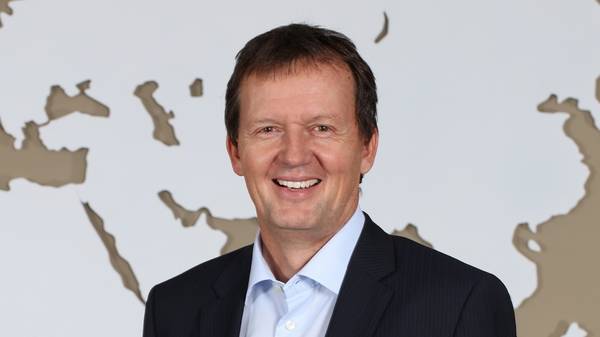
WinGD signs ten-year service deal for six COSCO LNG carriers
Swiss firm to provide global service and maintenance support for six LNG carriers powered by its 6X72DF dual-fuel engines. |
|
|
|
||
|
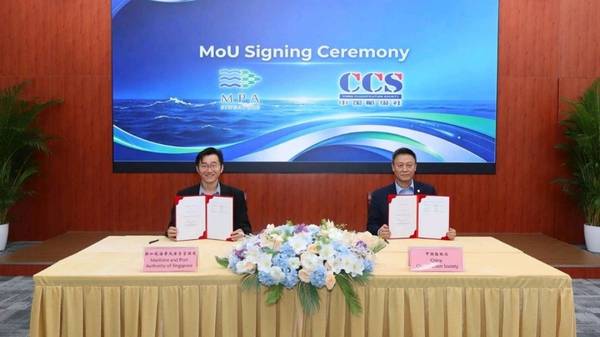
Singapore and China Classification Society deepen maritime ties with renewed decarbonisation pact
MPA and China Classification Society renew MOU, widening cooperation on green fuels, smart ships and talent development. |
|
|
|
||
|
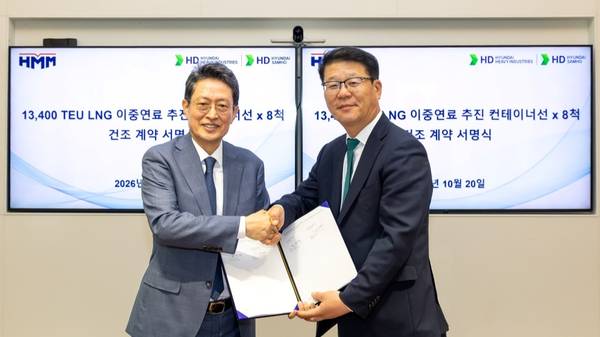
HMM orders eight LNG dual-fuel container ships in newbuild push
South Korean carrier commissions 13,000-TEU vessels from HD Hyundai, with deliveries due to begin in 2029. |
|
|
|
||
|
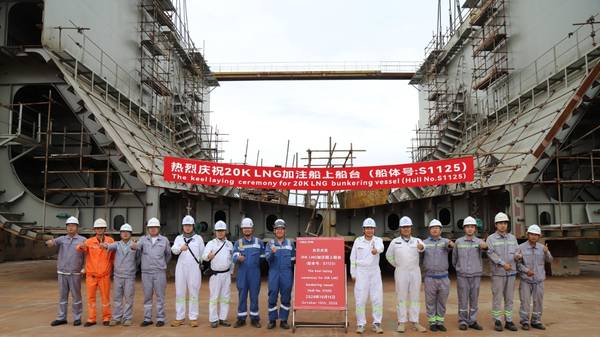
CIMC SOE advances construction on three LNG bunker vessels
Chinese shipbuilder progresses three bunker vessel projects in the same week. |
|
|
|
||
|
Verde Marine Energy adds two staff as it expands bunkering operations in ARA region
Dutch bunker supplier hires former Melroh Trading employees and launches RMG 380 3.5% HSFO barge service following Sunoco Marine tie-up. |
|
|
|
||
|
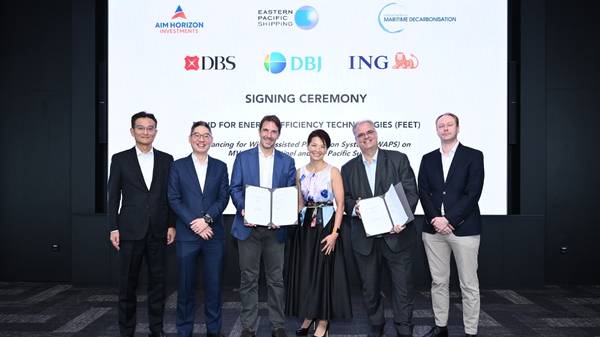
Fund for Energy Efficiency Technologies finances first wind-assisted propulsion projects with Eastern Pacific Shipping
GCMD and AIM Horizon Investments link verified fuel savings to financing for two EPS vessels fitted with wind-assisted propulsion. |
|
|
|
||
| Pilot LNG and GAC in tie-up to supply LNG fuel from Galveston [News & Insights] |
| Historic first LNG bunkering of a foreign ship in US [News & Insights] |
| GAC Bunker Fuels in LNG bunkering tie-up with REV LNG in North America [News & Insights] |
| WinGD CEO warns of mounting cost due to Net Zero Framework delay [News & Insights] |
| CIMC SOE advances construction on three LNG bunker vessels [News & Insights] |
| World's first ship-to-ship green ammonia bunkering operation completed in China [News & Insights] |
| CLPe and CNOOC complete Hong Kong's first LNG bunkering of a pure car and truck carrier [News & Insights] |
| Avenir LNG launches second newbuild vessel at Chinese shipyard [News & Insights] |