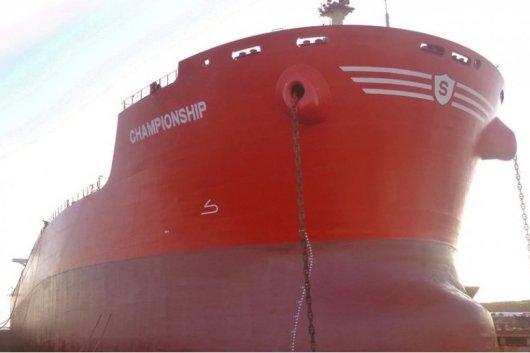
Cargill International SA is to cover the cost of buying and retrofitting an exhaust gas scrubber system for the Capesize vessel M/V
Championship, which it has agreed to charter from Greece-headquartered
Seanergy Maritime Holdings Corp.
The development comes as Seanergy has concluded the refinancing of the 2011-built ship via a leasing agreement with Cargill in which the US commodities firm receives
1.8m common shares as part of the deal.
Pursuant to the agreement, Seanergy has chartered back the vessel to Cargill on a bareboat basis for five years.
The implied financing amount of the Championship is
$23.5m, including
$1.6m in restricted cash, releasing around
$7.8m of gross liquidity.
Seanergy has continuous options to buy back the vessel during the whole five-year leasing period, at the end of which it has a purchase obligation at
$13.5m
On top of the daily hire, Seanergy is to also receive an additional
compensation based on the price spread between high-sulphur fuel oil and the price of marine gas oil (MGO) - or other IMO-compliant product - throughout the term of the time charter.
The Championship retrofit forms part of Seanergy's scrubber installation and time-charter program announced at the end of October - when it declared that
five of its capesize bulk carriers would be fitted with scrubbers before IMO's 2020 sulphur cap implementation date.
Korean manufacturer
Hyundai Materials has been contracted to supply the scrubber equipment for the ships. Retrofitting slots are said to have been secured at a dry-dock facility in China, with the installations scheduled to take place in the second and third quarters of 2019.
The total scrubber investment, to be covered by the charterers, is expected to exceed
$12.5m (i.e.
$2.5m per scrubber). This includes both equipment and installation costs.
Seanergy previously declared that, following the scrubber installations, the ships will commence employment with "
three leading dry-bulk charterers", covering periods of between three and five years.
Commenting on the Cargill agreement, Seanergy's chairman and CEO,
Stamatis Tsantanis, remarked: "The vessel refinancing allows us to enhance our liquidity position while drastically reducing the underlying interest cost. Furthermore, the capital investment for the scrubber installation, which will be assumed by the Charterer, is increasing the market value of the Vessel and reflects positively on our NAV.
"Upcoming regulations, such as the global sulphur Cap, require thorough preparation and collaboration between shipowners and charterers. This agreement ensures the Company is compliant with upcoming legislation and adequately positioned to benefit from the potential fuel spread upside that may arise in the global bunker market."