This is a legacy page. Please click here to view the latest version.
Fri 12 Jan 2018, 14:43 GMT

Gazpromneft Ocean lubricant brand presented in China


Product portfolio includes 15 lube oils for engines operating on various fuel types and on a range of vessels.


Gazpromneft-Lubricants recently presented its new Gazpromneft Ocean brand of marine lubricants for the Asia-Pacific markets at the Marintec China maritime exhibition in Shanghai.

The new range of marine lubricants for two- and four-stroke engines was showcased to participants at the event.

Marine industry specialists were informed about the key competitive advantages of the Gazpromneft Ocean product range, the existing technical service programmes and logistics capabilities of the company in Asia and beyond.

Roman Miroshnichenko, Branch Director (Marine Lubricants), Gazpromneft-Lubricants remarked: "Today, the Asia-Pacific is one of the most significant regions for the global shipping industry. Ports of China, South Korea and Singapore are among the world's ten largest, hosting hundreds of ships from around the globe daily. That is the reason why the first foreign presentation of the new marine lubricants brand was held at the Marintec China exhibition. I have no doubt that our Asian partners will appreciate the new Gazpromneft Ocean range of high-tech lubricants and will be able to see the economic effect of their application."

As Bunker Index previously reported, production of the Gazpromneft Ocean brand was announced in November. The products are being made at the company's plants in Omsk and Moscow.

Speaking at the time, Alexander Trukhan, CEO of Gazpromneft-Lubricants, remarked: "The launch of our own marine lubricants brand is an important step for the development of the company's global operations. We encounter significant business challenges requiring qualified approach and technological solutions. We intend to use all the advantages of the expertise that we have gained in the marine lubricants market, and to scale the experience of building the supply chain obtained in foreign markets over the past five years in order to become a significant player in the global industry."

The Gazpromneft Ocean product portfolio includes 15 lube oils for engines operating on various fuel types and installed on a range of vessels.

The company has said that this year it intends to expand both production geography and product storage in order for Gazpromneft Ocean to be supplied at the biggest foreign ports.


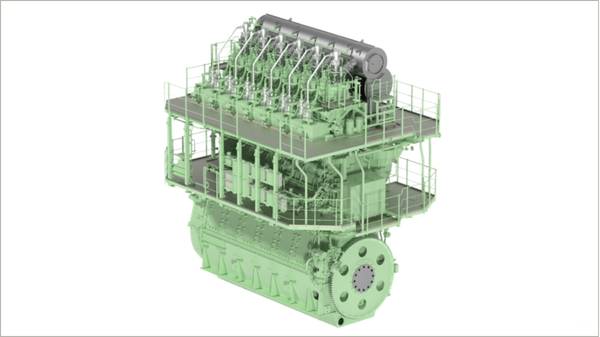
UEC60LSJ ammonia-fuelled engine render. J-ENG secures orders for four ammonia-fuelled engines under Japanese PCTC project  

Vessels form part of plan to build four ammonia-fuelled car carriers, a dedicated bunkering vessel and supply chain.

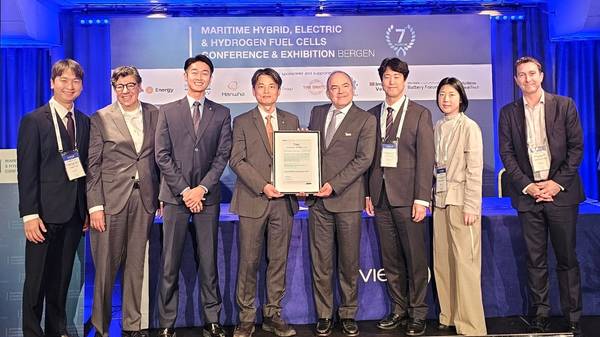
Hanwha Power receives ABS AiP for battery-powered containership design. ABS grants AIP to Hanwha Power for 1,700-TEU battery-powered container ship  

Design uses roughly 151 MWh of swappable battery storage for fully electric propulsion on a container vessel.

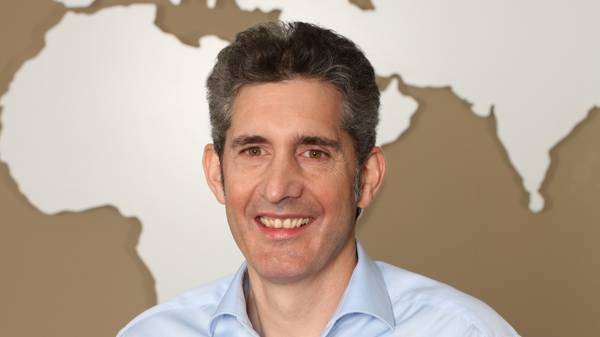
Peter Krahenbuhl, WinGD. WinGD signs first licence deal with HD Hyundai Marine Engine to expand Korean production  

Mid-bore engine portfolio gains new production route into Korea's bulk carrier and tanker newbuild markets.

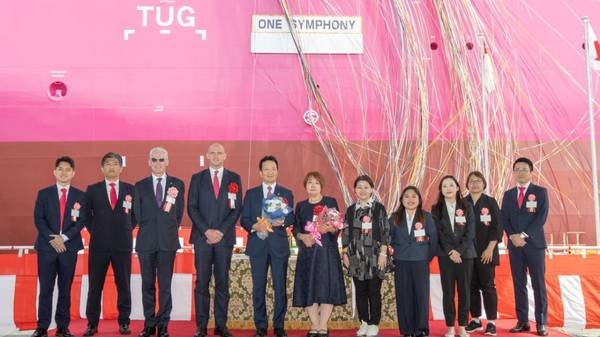
ONE Symphony naming ceremony. Ocean Network Express names ammonia- and methanol-ready newbuild ONE Symphony  

Vessel features conventional diesel main engine, with concept designs approved for possible future conversion to methanol or ammonia.

Sing Fuels logo. Sing Fuels seeks Asia-based supply trader to bolster bunker procurement team  

Singapore bunkering firm is recruiting a supply trader to manage marine fuel purchasing across Asia.

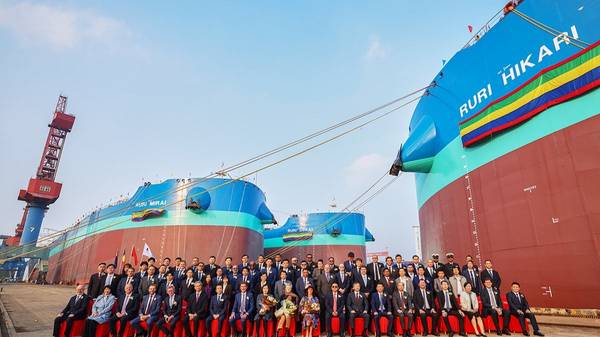
MOL joint naming ceremony. MOL names world's first ammonia-fuelled Capesize bulk carriers  

Naming of Ruri Mirai, Ruri Sekai and Ruri Hikari signals ammonia's arrival as a marine fuel for large bulk carriers.

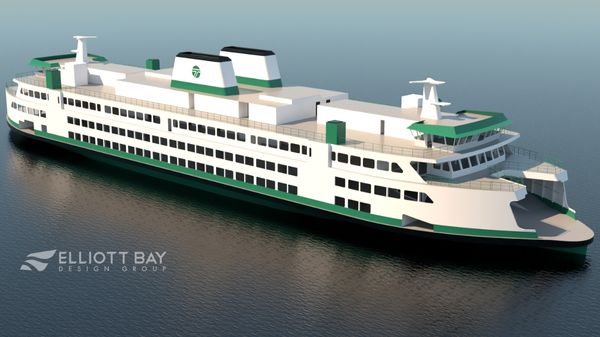
Washington State Hybrid-Electric 160-Auto Ferry vessel render. ABB wins Washington State Ferries' third hybrid-electric vessel order  

ABB extends its role in the US ferry operator's electrification programme, which targets emission-free operations by 2050.

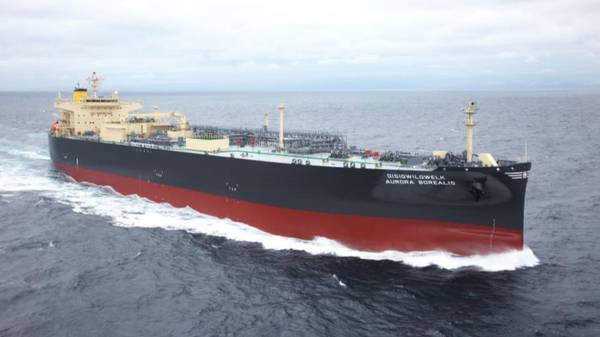
Aurora Borealis vessel. Kawasaki Heavy Industries delivers LPG-fuelled carrier Aurora Borealis  

Ship could also be modified in future to allow for ammonia-fuelled operation.

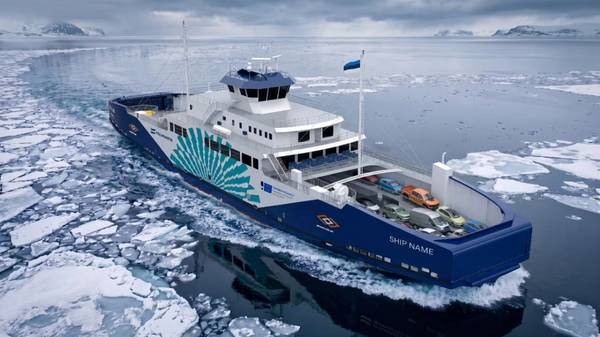
Rendering of Estonia's first shore-charged electric ferry. Estonian State Fleet's shore-charged electric ferry completes model testing in Germany  

Hull and propulsion tests show the vessel's energy consumption remains within contracted limits with room to spare.

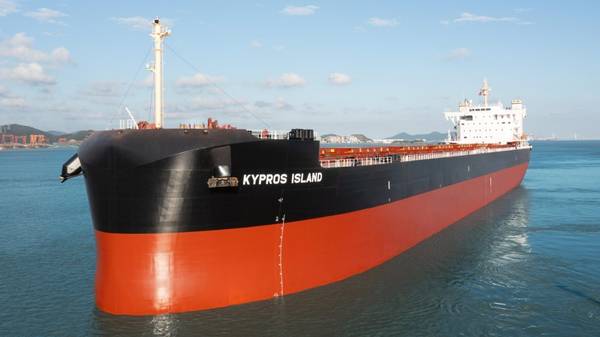
Kypros Island vessel. Tsuneishi delivers first methanol dual-fuel Kamsarmax bulk carrier from Chinese yard  

Shipbuilder claims progress towards establishing a mass-production system for vessels designed to reduce environmental impact.


↑  Back to Top