Source: Fluxys
New terminal users have booked capacity at the
Zeebrugge liquefied natural gas (LNG) terminal to load more than 200 small ships. This is a new step for the terminal in its development into a hub for supplying LNG as a ship fuel.
Last month,
Fluxys LNG gave potential customers the option to book long-term capacity at the second jetty currently under construction at the LNG terminal in Zeebrugge. The move was a success, with interest shown in more than 200 loading slots for small LNG ships while at this time there are just a couple of these ships in circulation. This also marks the first time in Northwest Europe that long-term contracts have been concluded for loading LNG ships at a regasification terminal such as in Zeebrugge.
Second jetty scheduled for 2015
The Zeebrugge Port Authority is putting the final touches on the underwater structure for the second LNG jetty. Once the underwater structure is completed, Fluxys LNG will start building the superstructure. The second jetty is scheduled for commissioning in 2015.
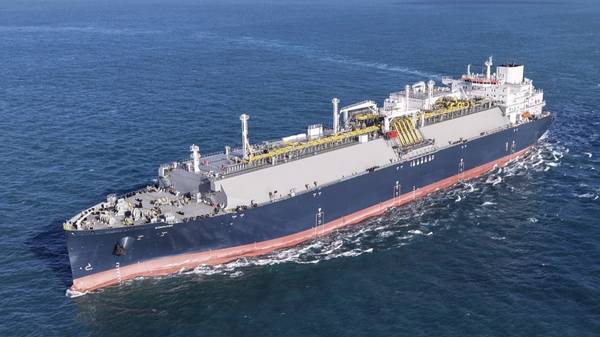
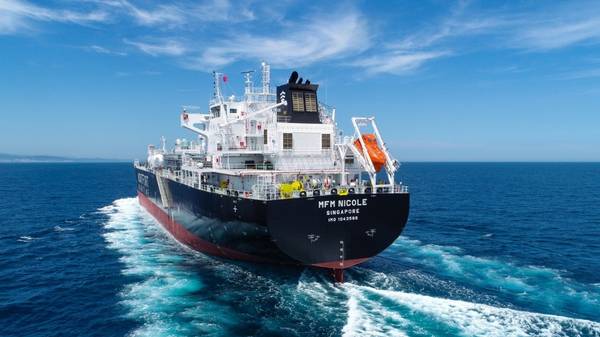
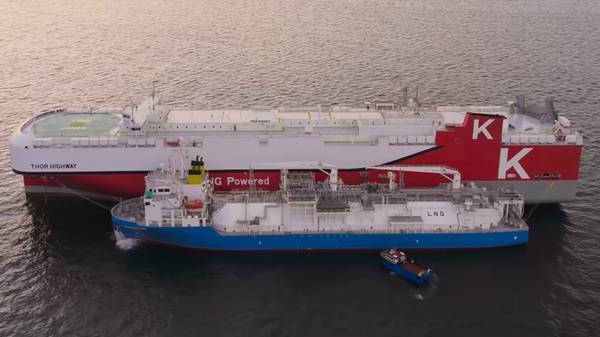
The new jetty will enable ships to both unload and load, and will also make it possible to transfer LNG between ships berthed at the two jetties. Large and small LNG ships will be able to load LNG, including bunker ships with a loading capacity from around 2,000 cubic metres of LNG. Bunker ships load LNG, which is then used to supply other ships running on LNG. By way of comparison, large LNG ships that moor at the terminal have a loading capacity of up to 266,000 cubic metres of LNG.
Hub for small-scale LNG use
With the second jetty and the newly booked capacity for loading small LNG ships, the Zeebrugge LNG terminal is paving the way towards becoming a hub for small-scale LNG use. This means using LNG as an alternative fuel for ships and long-haul trucks.
From Zeebrugge, LNG can be transported via small ships to all ports in Belgium and Northwest Europe. Fluxys LNG is currently working with the Belgian ports and the Flemish government and several other companies to examine what form the basic downstream infrastructure for supplying LNG to ships and trucks should take.
In addition to bunkering LNG with ships, another option is for tanker trucks to load up with LNG at the terminal’s loading station. The loading station is already in operation. The trucks can then bring the LNG inland to supply ships directly or to supply other LNG storage sites, where ships can take LNG onboard. The first truck-to-ship bunkering operation in Belgium took place early December in the port of Antwerp.
LNG can help Europe achieve climate targets
The LNG terminal’s ambitions are based on the benefits of using LNG as a fuel for ships and long-haul trucks. Switching to LNG will result in significantly lower emissions, immediately contributing to Europe’s efforts to hit its climate targets.
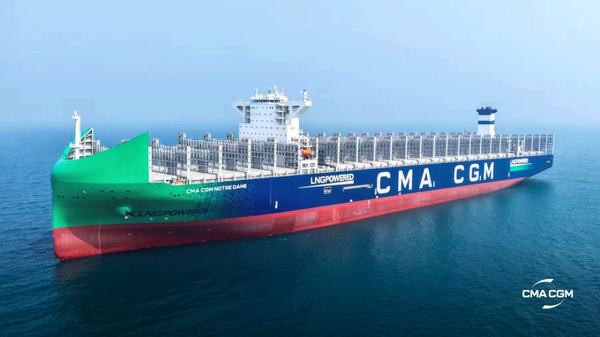
Ships powered by LNG - instead of the usual heavy fuel oil - emit 15 to 20% less CO2, 85 to 90% less nitrogen oxides and emissions of sulphur and fine particles are negligible. This makes LNG a major alternative ship fuel once the more stringent emission standards for sulphur take effect for the English Channel, the North Sea and the Baltic Sea in 2015.
Liquefied natural gas also offers major benefits as a fuel for long-haul trucks. Switching to liquefied natural gas reduces CO2 emissions by more than 10% and emissions of nitrogen oxides by 50 to 60%, while emissions of sulphur and fine particles are negligible.
Image: Zeebrugge