Tue 11 Sep 2012, 09:28 GMT

GL approves LNG-fuelled container ship


Vessel is said to provide fuel cost savings of approximately 30 percent.


In the fight to reduce harmful emissions to the air, LNG as a ship fuel is gathering increasing attention in the maritime community. The virtual elimination of sulphur and particulate emissions and significant reductions to NOx and CO2, mean that the LNG option is one being considered by ship owners and operators around the world.

For those owners who are looking to the future the next generation of ship designs are ready for the market, as was demonstrated by Germanischer Lloyd’s presentation of an Approval in Principle (AiP) certificate to TECHNOLOG for the IPP-designed STREAM range of 3,000 TEU to 5000TEU liner or feeder vessels for worldwide service.

"At GL we see the development of LNG as a fuel for shipping as a key part of the industry’s drive to curb costs, reduce emissions, and remain the world’s most efficient means of transporting goods," said Dr Pierre Sames, Head of GL’s Research and Rule Development Department. "The spread of LNG technology will not only allow the industry to improve its overall environmental footprint, but to remain competitive in an era of rising bunkering costs."

The STREAM 4200 LNG’s 32.25-metre beam allows passage through the existing Panama Canal locks. A draft of 10.50m to 12.00m means the vessel can operate worldwide, including the Kiel Canal (future dimensions) between the Baltic and North Sea. The vessel is subdivided into several double 40-foot holds. The forward hold is covered and designed to carry dangerous goods. The cargo holds behind this are of open-top design, including the hold behind the superstructure located semi-aft.

The forward mooring arrangement is fully sheltered by a large cover which forms an integrated part of the unique wave-breaking structure. The aft one is covered by the aft container stack. The layout can be configured to suit multiple shipping routes, with optimal flexibility as it is based on existing technology.

The entire vessel design concept is focused around saving energy. A single screw is directly driven by a dual-fuel, two-stroke, 22.9 MW engine developed specifically for LNG applications by MAN. The same dual-fuel system is used for the auxiliary power generators and boilers. Exhaust gas boilers and waste heat recovery equipment are also included in the design.

Hans-Jürgen Voigt, Managing Director of TECHNOLOG, spoke of the potential benefits of the new design at the presentation ceremony: "Looking ahead to 2020, our projections suggest that when we compare the operation of the STREAM against a conventional vessel in an emissions control area (ECA), we arrive at a conservative estimate of fuel cost savings in the region of 30 per cent. With this design we show that it is no longer just a dream to build environmentally friendly vessels, which operate both economically and fulfil regulatory requirements."

The LNG fuel systems for the STREAM were developed jointly with TGE Marine Gas Engineering and include a fixed bunker tank inside the vessel and a novel portable deck-mounted LNG tank system which can be used to provide extra capacity. For bunkering, the fuel containers will be connected to a docking station currently in development.

The hull lines of the STREAM have been optimized by HSVA (Hamburgische Schiffbau-Versuchsanstalt) experts and the application of tools, methods and expertise from GL’s FutureShip unit to minimize fuel consumption as well as resistance in water and air while maximising cargo capacity and ensuring maximum stability.

With the support from FutureShip, the designers were able to model a large number of design variants, select the traits desired, and then modify the best variants to arrive at an optimal hull form. Improved hull lines allow installation of a highly efficient, relatively slow-running propeller from project partner MMG (Mecklenburger Metallguss GmbH). A Becker Marine rudder ensures maximum manoeuvrability.

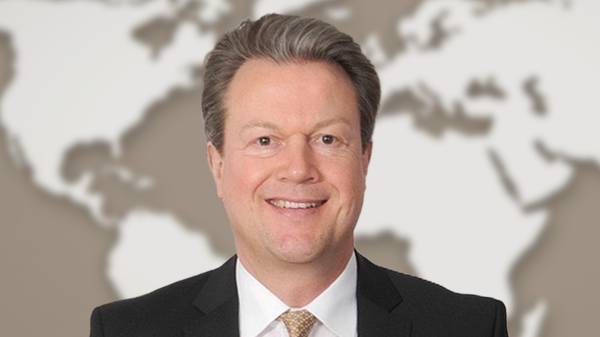
Image: Dr Pierre Sames, GL's Head of Research and Rule Development (left) with Hans-Jürgen Voigt, Managing Director of TECHNOLOG at the GL booth at SMM 2012.


Monjasa Oil & Shipping Trainee (MOST) trainees. Monjasa opens applications for global trainee programme  

Marine fuel supplier seeks candidates for MOST scheme spanning offices from Singapore to New York.

Singapore's first fully electric harbour tug. Singapore's first fully electric tug completes commissioning ahead of April deployment  

PaxOcean and ABB’s 50-tonne bollard-pull vessel represents an early step in harbour craft electrification.

Fuel for thought: Hydrogen report cover. Lloyd's Register report examines hydrogen's potential and challenges for decarbonisation  

Classification society highlights fuel's promise alongside safety, infrastructure, and cost barriers limiting maritime adoption.

Bureau Veritas and Straits Bio-LNG sign MoU. BV Malaysia partners with Straits Bio-LNG on sustainable biomethane certification  

MoU aims to establish ISCC EU-certified biomethane production and liquefaction facility in strategic alliance.

Molgas Energy logo. Molgas becomes non-clearing member at European Energy Exchange  

Spanish energy company joins EEX as it expands European operations and strengthens shipper role.

Yiannis Diamandopoulos, Elinoil. Diamandopoulos appointed CEO of Elinoil as Aligizakis becomes chairman  

Greek marine lube supplier announces leadership changes following board meeting on 5 January.

Sustainable Marine Fuel Services webinar hosted by BV graphic. Bureau Veritas to host webinar on sustainable marine fuel transition challenges  

Classification society to address regulatory compliance, market trends, and investment strategies in February online event.

Inchcape Shipping Services logo. Inchcape to provide bunkering services from new Indonesian offices  

Port agency establishes presence in key bulk and tanker operation hubs handling 150 calls annually.

CPN launch of B100 marine biodiesel supply in Hong Kong graphic. Chimbusco Pan Nation launches B100 biodiesel supply in Hong Kong  

Bunker tanker Guo Si becomes Hong Kong's first Type II certified vessel for pure biodiesel operations.

Vox Apolonia vessel. Van Oord completes Dutch beach replenishment using 100% bio-LNG  

Dredger Vox Apolonia deposited 1 million cbm of sand at Noord-Beveland beach under Coastline Care programme.


 Recommended