
|
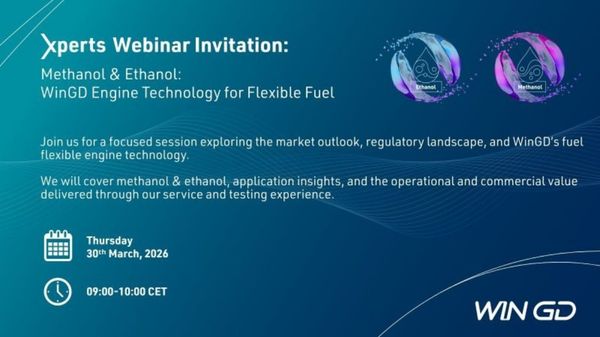
WinGD to host webinar on methanol- and ethanol-flexible fuel engine technology
Engine manufacturer will discuss market outlook, regulations and operational experience with alcohol-based marine fuels. |
|
|
|
||
|
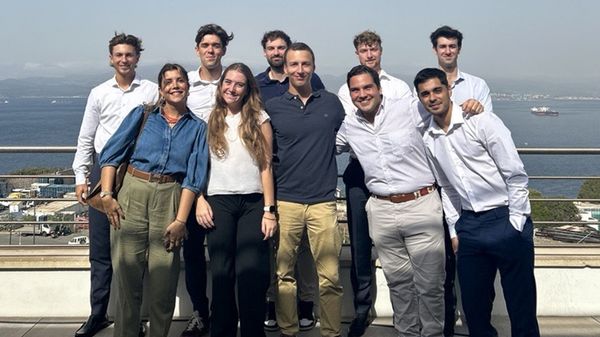
Peninsula opens applications for 2026 graduate programmes in marine fuels trading
Two-year scheme offers positions across six global locations starting in September, combining hands-on experience with structured development. |
|
|
|
||

|
Oilmar DMCC promotes Collin She to key account manager role
She will lead strategic customer relationships and drive growth opportunities in Singapore and the wider region. |
|
|
|
||
|
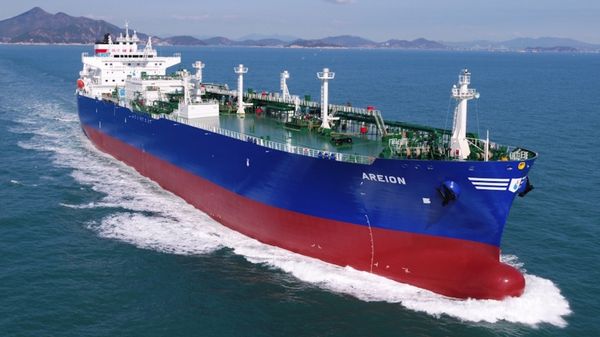
Dorian LPG takes delivery of dual-fuel VLGC capable of carrying ammonia
The 93,000-cbm Areion can run on LPG or fuel oil and transport ammonia cargoes. |
|
|
|
||
|
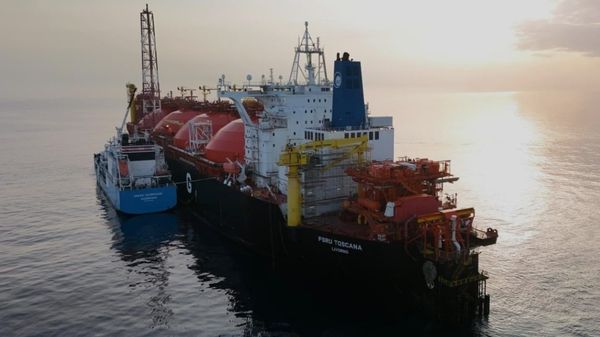
RINA awards ISCC EU certification to OLT Offshore LNG Toscana for bio-LNG supply
Certification enables bio-LNG use in the EU as a renewable fuel under RED II and RED III directives. |
|
|
|
||
|
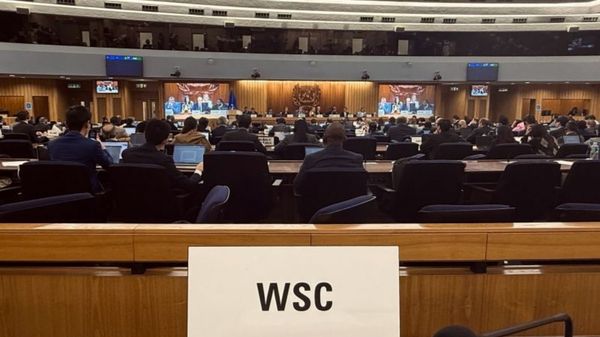
WSC calls for safe maritime corridor as 20,000 seafarers remain trapped in the Persian Gulf
Industry body urges IMO member states to establish safe passage and supply access. |
|
|
|
||
|
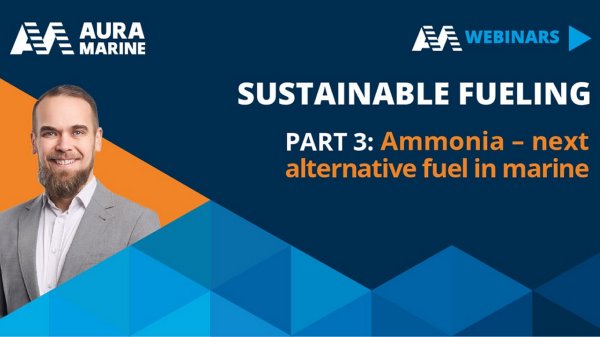
Auramarine to host webinar on ammonia as marine fuel in April
Finnish firm will explore ammonia’s role in maritime decarbonisation at its third spring webinar. |
|
|
|
||
|
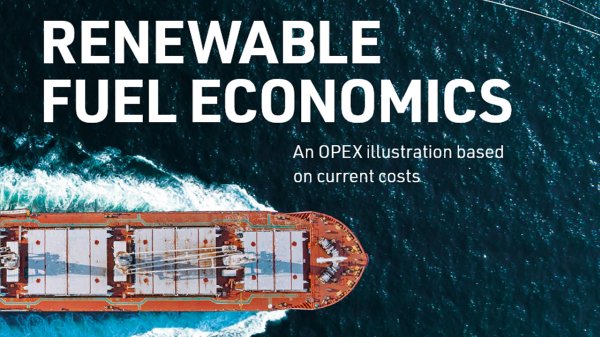
Green ammonia could reach cost parity with VLSFO and LNG by 2050, study finds
WinGD and Envision Energy study projects green ammonia operational costs competitive with conventional marine fuels. |
|
|
|
||
|
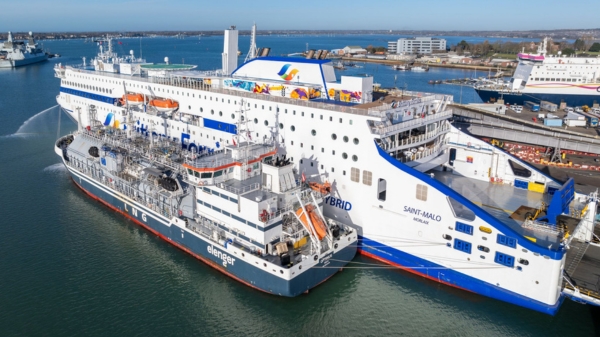
Bureau Veritas verifies methane emissions on Brittany Ferries’ LNG vessels
Verification enables ferry operator to report measured methane slip instead of regulatory default values. |
|
|
|
||
|
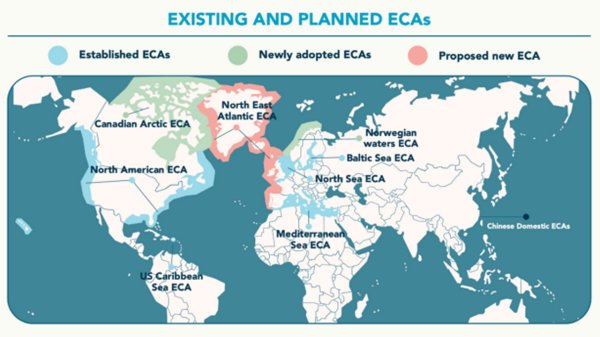
Alliance calls for urgent black carbon action as new Arctic emission control areas take effect
Canadian Arctic and Norwegian Sea ECAs now in force, with compliance deadline set for March 2027. |
|
|
|
||
| GCMD closes world's first pay-as-you-save vessel retrofit fund at $35 million [News & Insights] |
| BP to sell 65% stake in Castrol to Stonepeak for $10bn enterprise value [News & Insights] |
| IBIA announces 11 nominees for four board vacancies in 2026 election [News & Insights] |
| IBIA opens voting for board elections with 11 candidates competing for four positions [News & Insights] |
| Compagnie Maritime Nantaise wins Bpifrance backing for space logistics vessel decarbonisation project [News & Insights] |

