
|
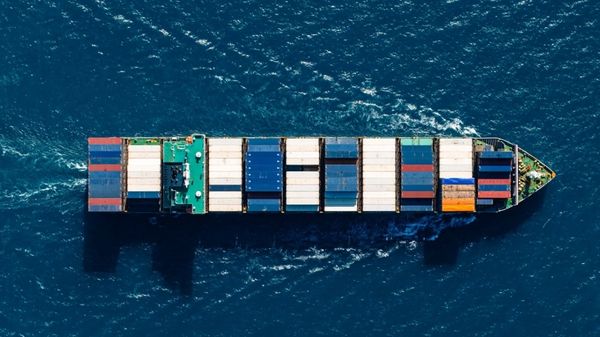
Seaspan and Technolog unveil LNG feeder design with four-week ammonia conversion pathway
Lloyd’s Register grants approval for a 3,370 TEU vessel concept designed for swift transition to zero-carbon fuel. |
|
|
|
||

|
Singapore’s MPA backs LNG as part of multi-fuel strategy for shipping decarbonisation
Authority emphasises regulatory frameworks and workforce development as sector navigates geopolitical uncertainty and energy transition. |
|
|
|
||
|
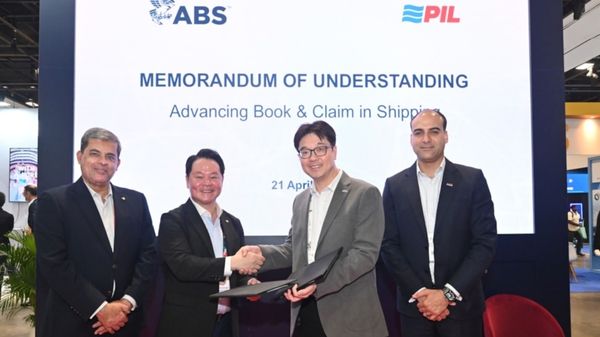
ABS and PIL partner on book-and-claim emissions verification
Classification society to verify fuel consumption and emissions data for shipping line’s alternative fuel claims. |
|
|
|
||
|
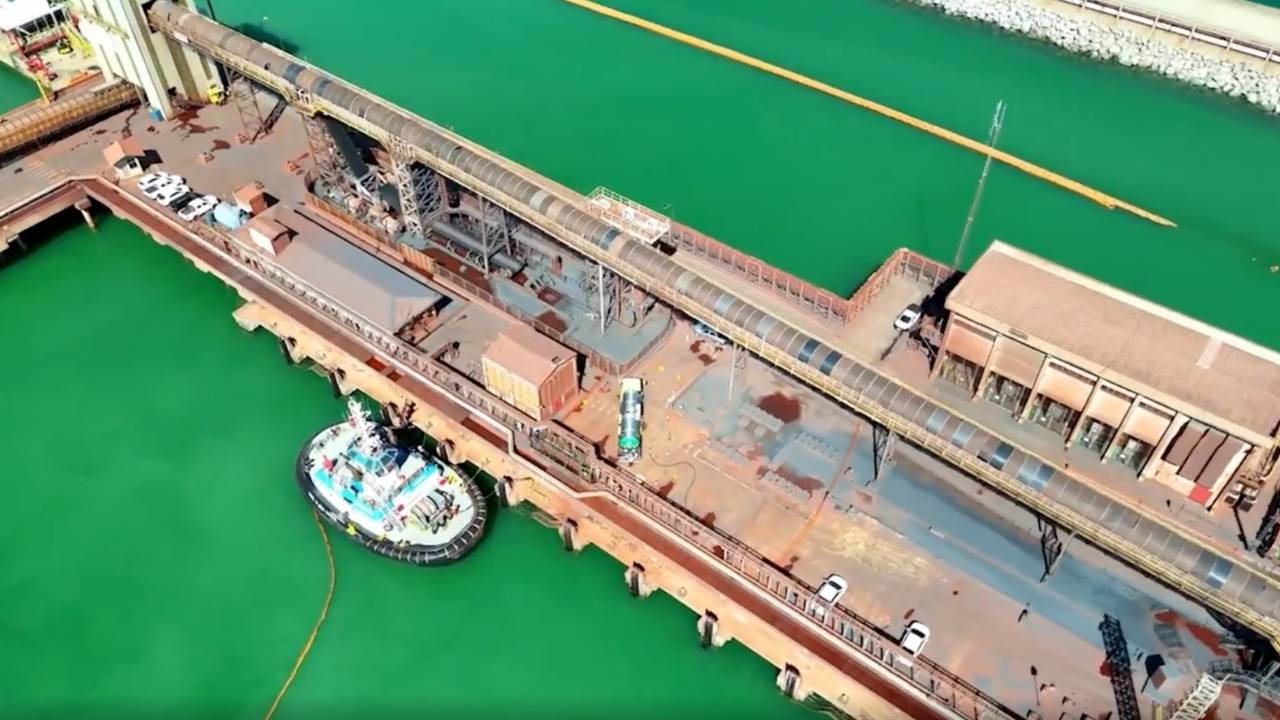
Vast completes first biofuel bunkering of tugboat at Brazil’s Port of Açu
Be8’s BeVant biofuel claims up to 99% CO₂ reduction versus conventional marine diesel. |
|
|
|
||
|
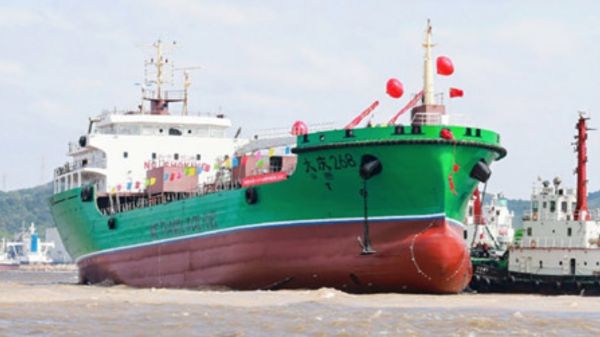
Ningbo-Zhoushan Port completes first ship-to-ship green methanol bunkering
Zhejiang province port facility delivered 503 tonnes of methanol to a container ship in one hour. |
|
|
|
||
|
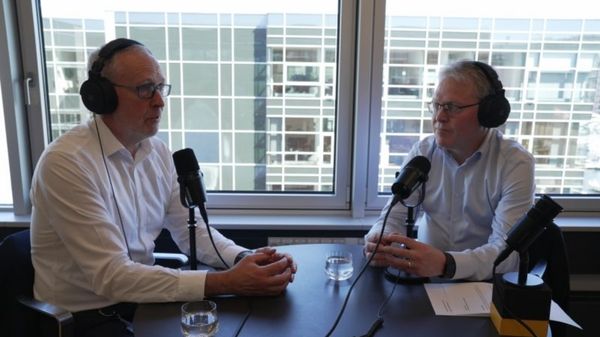
KPI OceanConnect launches podcast series on bunker markets and geopolitical risk
Marine fuel supplier debuts audio series examining commodity markets, trade route disruptions and Middle East tensions. |
|
|
|
||
|
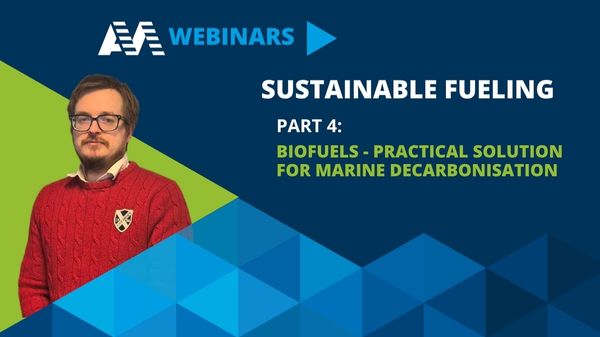
Auramarine to host webinar on biofuels as a marine decarbonisation solution
Finnish firm's May event will explore current biofuel options and integration strategies for vessels. |
|
|
|
||

|
Malik adds bunker trader, technology head and canteen worker
Danish marine fuels group expands team with three appointments across commercial, technical and operational functions. |
|
|
|
||

|
AET outlines multi-fuel decarbonisation strategy at Marine Money 2026
Tanker operator highlights innovative commercial arrangements with charterers to share decarbonisation risks and rewards. |
|
|
|
||
|
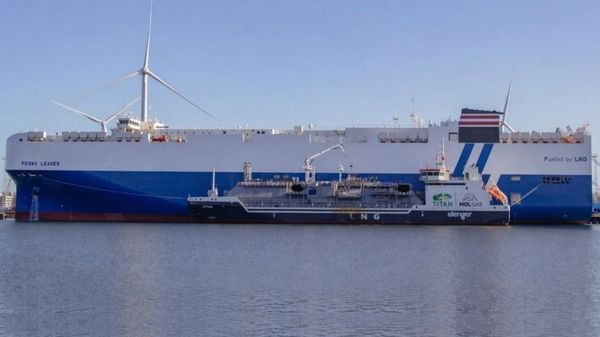
Titan Clean Fuels completes first FuelEU Maritime pooling exercise with DNV verification
Pool included several hundred vessels, with LNG and biomethane helping balance compliance deficits. |
|
|
|
||
| South China fuel oil stocks dip 0.5% [News & Insights] |
| China: H1 fuel oil output up almost 14% [News & Insights] |
| Shenzhen bunker sales to rise by 1.85m tonnes [News & Insights] |
| Fuel oil output predicted to rise in South China [News & Insights] |

