
|
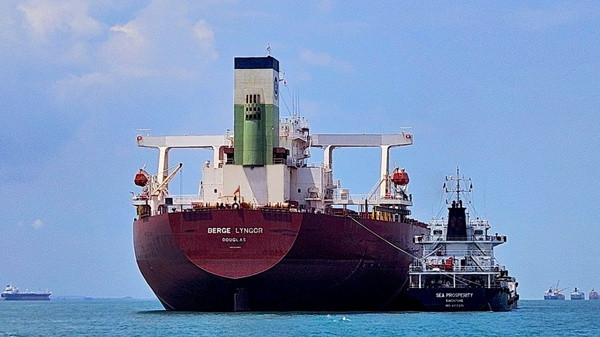
BHP and GCMD trial multi-feedstock B100 biofuel blend on bulk carrier voyage
A pilot project tests blending used cooking oil and waste animal fats to broaden the supply base for marine biofuels. |
|
|
|
||

|
Wind-powered cargo ships pass 100-vessel mark as deployment accelerates
The global fleet of wind-propelled commercial vessels has crossed the 100-ship threshold, with numbers doubling year-on-year. |
|
|
|
||

|
Island Oil appoints Eirini Pasanta as communications manager
Bunker firm strengthens its communications function with new appointment. |
|
|
|
||

|
VBunkers seeks marine superintendent for Singapore bunker tanker operations
Vitol's bunker tanker business is recruiting a marine superintendent to oversee its Singapore fleet. |
|
|
|
||
|
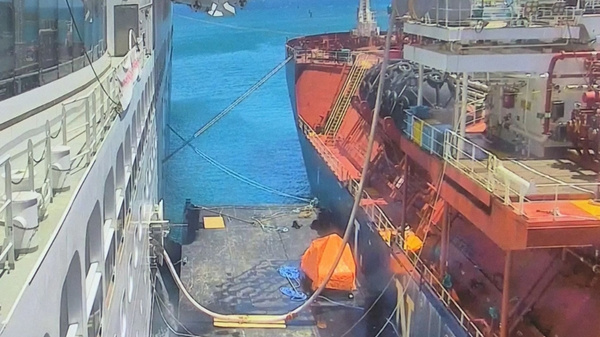
First ship-to-ship LNG bunkering operation conducted in Roatán, Honduras aboard Carnival Jubilee
Carnival Cruise Line engineer describes how milestone operation was conducted. |
|
|
|
||
|
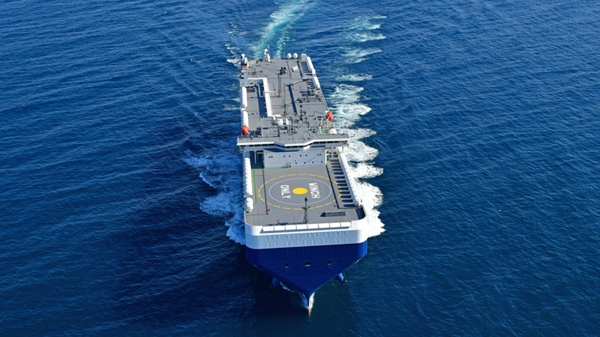
NYK begins one-year B100 biofuel trial on car carrier
Japanese shipping company NYK Line launches continuous 100% biofuel trial to assess long-term operational safety. |
|
|
|
||

|
IBIA names Caroline Yang as chair of Asia regional board
Hong Lam Marine CEO takes over from Capt. Rahul Choudhuri in leadership transition at the bunkering association. |
|
|
|
||
|
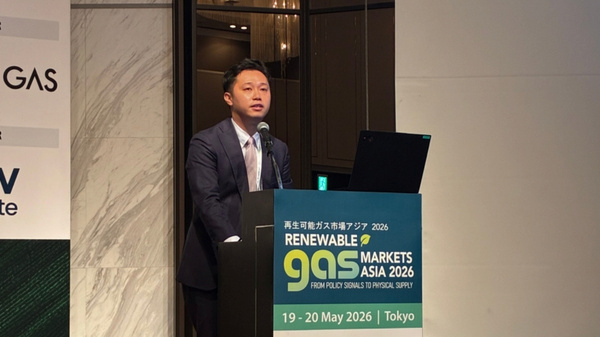
MOL outlines biomethane strategy and calls for cross-sector collaboration at Asia renewable gas conference
Japanese shipping company MOL presents its bio-LNG approach and decarbonisation pathway at industry forum. |
|
|
|
||

|
MTF issues safety management guidelines for wind-assisted propulsion systems
New guidelines aim to help shipping companies integrate WAPS into safety management systems. |
|
|
|
||
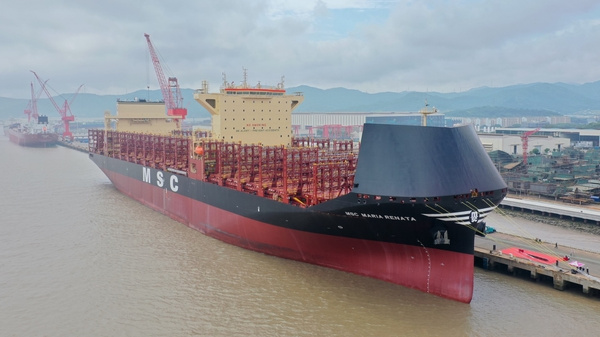
|
Changhong International delivers LNG dual-fuel boxship to MSC 159 days ahead of schedule
The 10,300-teu MSC Maria Renata is designed to meet ammonia-ready and methanol-ready requirements. |
|
|
|
||
| South Africa: Supplies set to be hit by oil strike [News & Insights] |
| Gasum publishes daily price for FuelEU Maritime compliance units [News & Insights] |
| The emergence of B100 FAME in a volatile distillate market | Paul Hoather, VPS [News & Insights] |
| Peninsula extends US Gulf operation offshore [News & Insights] |
| TotalEnergies charters hybrid lubricants bunkering barge for Fujairah operations [News & Insights] |
| Rotterdam bunker volumes plunge 25% in first quarter amid regulatory shifts [News & Insights] |

