
 |
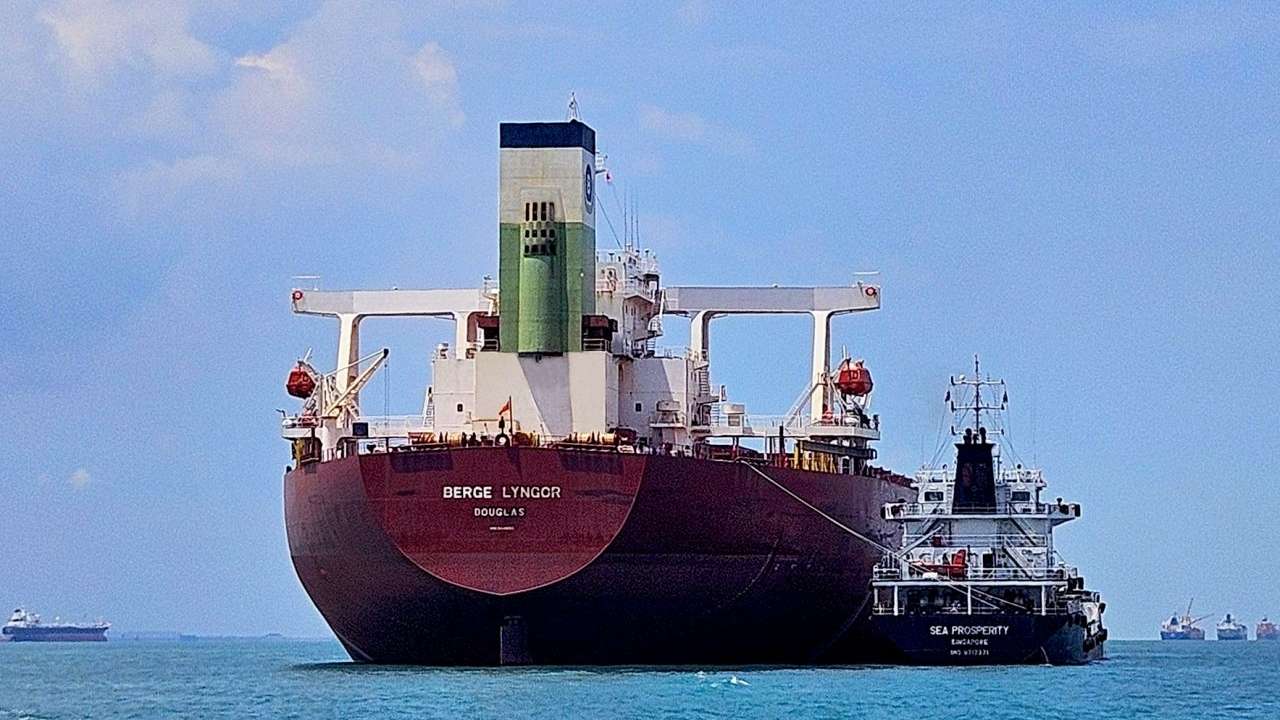
BHP and the Global Centre for Maritime Decarbonisation (GCMD) have blended biofuels from two distinct feedstocks — used cooking oil and waste animal fats — and introduced the resulting B100 blend into a BHP-chartered bulk carrier as part of a pilot project aimed at assessing how multi-feedstock biofuels can be integrated into existing marine fuel supply chains.
The bio-blend was bunkered in Singapore in early May aboard the bulk carrier Berge Lyngor, owned and operated by Berge Bulk, which is transporting BHP iron ore from Western Australia to China. The blend comprises 50 per cent tallow-derived biodiesel, sourced and supplied by HAMR Energy, and 50 per cent used cooking oil methyl ester (UCOME) supplied by Mitsui & Co Energy Trading Singapore (METS). Mitsui also carried out the blending, while Dan-Bunkering coordinated and executed the bunkering operation, performed by Global Energy’s barge MT Maple.
According to BHP and GCMD, when run on the bio-blend, the Berge Lyngor has the potential to reduce well-to-wake greenhouse gas emissions by approximately 79 per cent per voyage compared with sailing on very-low-sulphur fuel oil (VLSFO).
The pilot will assess how biofuels from multiple feedstocks can be blended, handled and introduced under real-world operating conditions using existing used cooking oil bunkering infrastructure. It will also examine fuel quality, handling, traceability and onboard vessel performance, including potential challenges such as corrosion from oxidation and fuel system clogging caused by wax formation.
A key objective of the project is to trace and verify the biofuel blend’s integrity, with the aim of supporting confidence in emissions reductions reporting. BHP and GCMD say the pilot is expected to shed light on practical steps for integrating multi-feedstock biofuel blends into existing supply chains, and that greater feedstock diversity could give shipowners and operators more flexibility to optimise fuel procurement based on cost, availability and lifecycle emissions performance.
The project addresses a recognised constraint in the marine biofuels market: the shipping industry’s current reliance on used cooking oil as a feedstock, the availability of which, according to BHP and GCMD, is approaching its projected limits. Waste animal fats, such as tallow, are presented as a means of expanding the supply of lower-emissions marine fuels.
The project is co-funded by the Maritime and Port Authority of Singapore under the Maritime Innovation and Technology Fund (MINT).
BHP Vice President, Maritime & Supply Chain Excellence, Emma Roberts commented: “This initiative reflects the shared commitment of BHP and GCMD in the maritime value chain to unlock scalable, credible lower-emissions fuel pathways, as well as the importance of mobilising the industry to deliver decarbonisation solutions. As the world’s largest bulk charterer, we want to continue to test and trial alternative fuels that will help increase supply and send industry demand signals for further investment.”
GCMD CEO Prof Lynn Loo remarked: “Building on the experience and insights from our earlier biofuel pilots, GCMD has developed a robust framework to safeguard the integrity of biofuel use across quantity, quality and life cycle GHG emissions abatement. This framework provides a strong foundation to evaluate how a broader range of biofuels from alternative feedstocks, including animal tallow, can be credibly integrated into existing and new marine fuel supply chains.”
HAMR Energy co-founder David Stribley stated: “This project shows the huge potential of biofuels to power fleets, reduce emissions and strengthen fuel security by diversifying supplies.”
Berge Bulk founder and CEO James Marshall noted: “Berge Bulk has been gaining experience using biofuel (B30, B50, and B100) on voyages since 2021. Over the past year alone, our biofuel voyages avoided more than 13,000 tonnes of carbon emissions.”

|
Wind-assisted propulsion 'no longer just a concept', ICS panel says
Shipowners weigh wind power as a practical, low-risk route towards decarbonisation targets. |
|
|
|
||
|
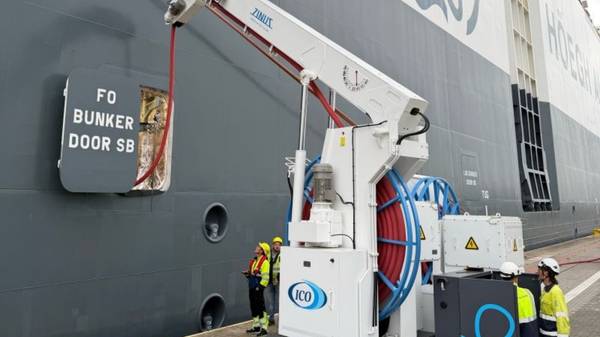
Höegh Autoliners vessel connects to shore power for the first time in Europe
Höegh Starlight used 11 kV shore power in Zeebrugge, allowing it to switch off its auxiliary engines while alongside. |
|
|
|
||
|
Chinese shipbuilder ROC signs deal for up to eight methanol-ready CSOVs
Contract signed with European shipowner for vessels designed for offshore wind farm maintenance work. |
|
|
|
||
|
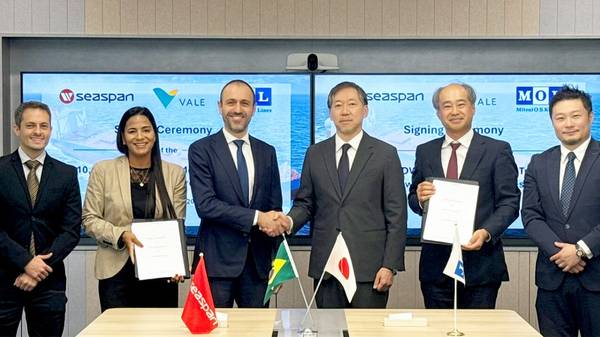
MOL and Vale sign 25-year deal for tri-fuel ore carriers
New vessels will be able to run on ethanol, methanol or heavy fuel oil, offering fuel flexibility. |
|
|
|
||

|
ScanOcean appoints Lars Malmbratt as senior commercial manager
Swedish firm strengthens commercial team with experienced industry executive based in Gothenburg. |
|
|
|
||
|
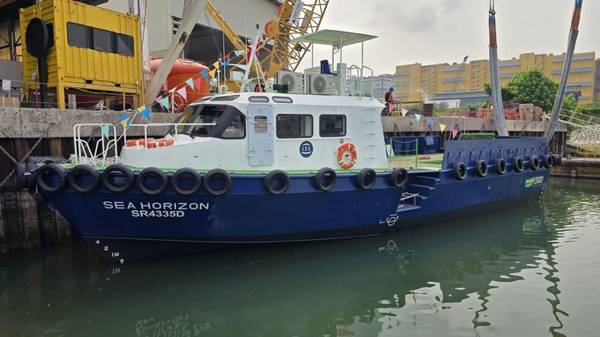
Pinnacle Marine launches second B100-compatible harbour craft for Les Star
Sea Horizon joins Singapore’s harbour craft fleet. |
|
|
|
||
|
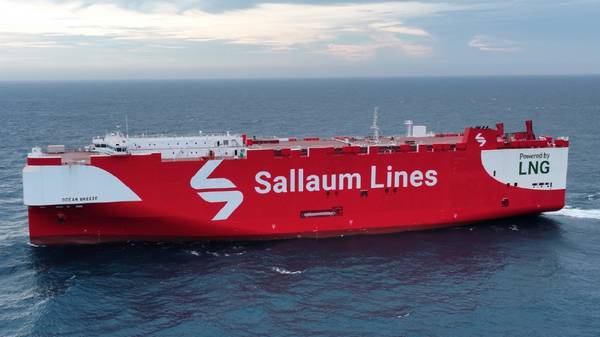
Sallaum Lines orders LNG-fuelled, ammonia-ready PCTCs from Chinese yards
Operator signs shipbuilding agreements for new generation of 8,600-CEU vessels, taking its newbuild investment past $1bn. |
|
|
|
||

|
Nakilat takes delivery of dual-fuel carrier in South Korea
Ammonia-ready design positions vessel to play key role in future low-carbon energy supply chains, says Qatari firm. |
|
|
|
||
|
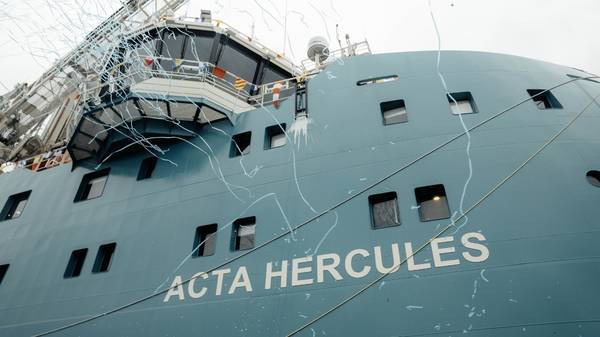
Acta Marine christens methanol dual-fuel vessel Acta Hercules in IJmuiden
Dutch operator marks the christening of its second newbuild CSOV. |
|
|
|
||
|
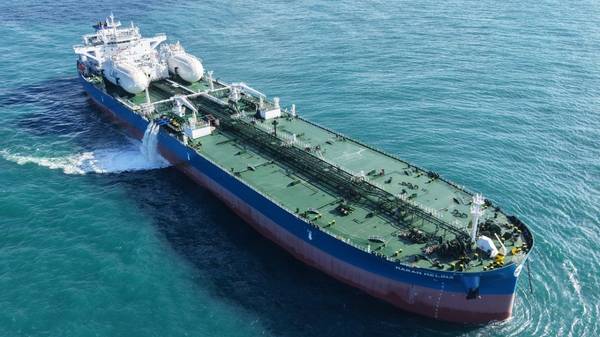
Angelicoussis Group takes delivery of fifth dual-fuel Suezmax tanker
Maran Tankers Management adds the 155,500-DWT Maran Melina to its fleet. |
|
|
|
||
| Maersk completes first US ethanol bunkering of a deep-sea container ship [News & Insights] |
| Why batteries still cannot power ships across oceans [News & Insights] |
| HD Hyundai completes type approval test for new LNG dual-fuel engine [News & Insights] |
| IMO seminar examines technical hurdles facing ammonia as a marine fuel [News & Insights] |
| GCMD and Equinor sign five-year partnership on alternative fuels and carbon storage [News & Insights] |
