

|
Burando Energies appoints senior bunker trader to lead Latin America expansion
Paola Prieto joins Burando Energies’ trading team with a focus on Latin American growth. |
|
|
|
||
|
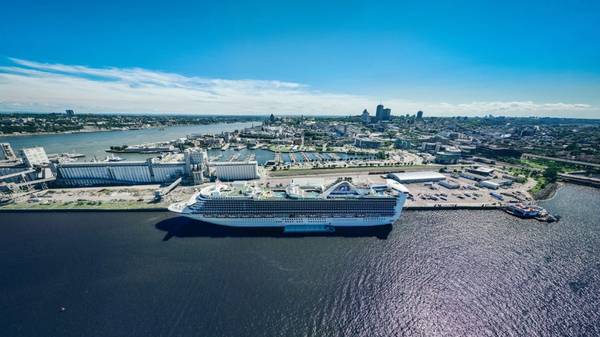
Port of Québec secures C$5.1m from provincial government for shore power electrification
Funding will support shore power infrastructure at two wharves, targeting availability by autumn 2028. |
|
|
|
||

|
Malik Supply adds bunker trader to Dubai office
Sales professional Priya Choudhary joins Danish bunker firm's UAE operation. |
|
|
|
||
|
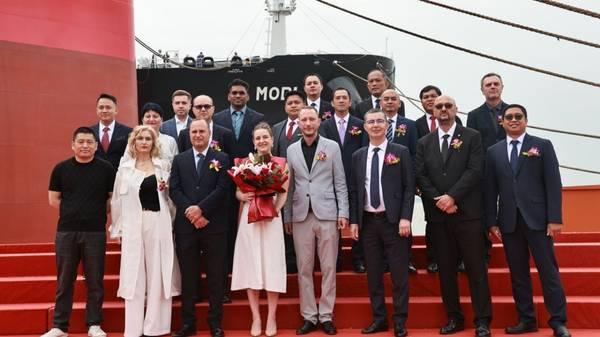
Bureau Veritas classes tanker with biofuel-ready and LNG-prepared capabilities
New Times Shipbuilding delivers 73,500-dwt M/T Modi for Dynacom |
|
|
|
||
|
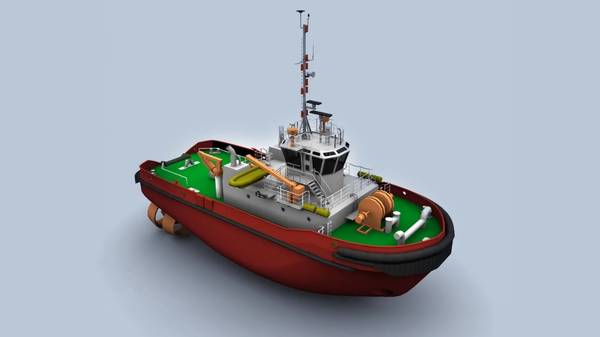
Echandia wins battery contract for two electric tugs under India’s Green Tug Transition Programme
Swedish battery maker secures second and third electric tug contracts in India’s port decarbonisation drive. |
|
|
|
||
|
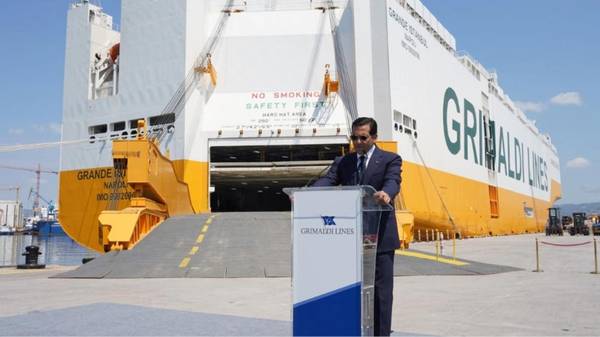
Grimaldi presents ammonia-ready car carrier Grande Istanbul at Turkish port ceremony
Vessel is one of 17 next-generation PCTCs commissioned by the Italian shipping group. |
|
|
|
||
|
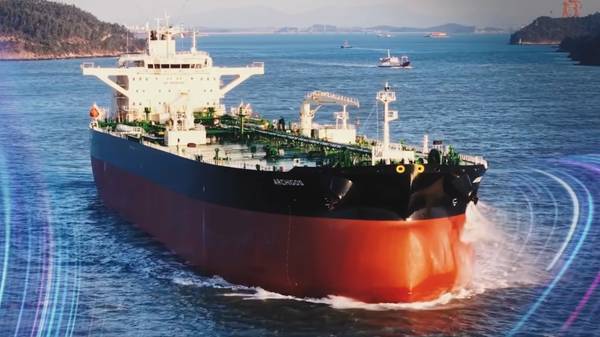
Capital Ship Management takes delivery of methanol-ready Suezmax tanker Archigos
The 157,000-dwt vessel, built in South Korea, features AI-assisted navigation and energy-saving technology. |
|
|
|
||
|
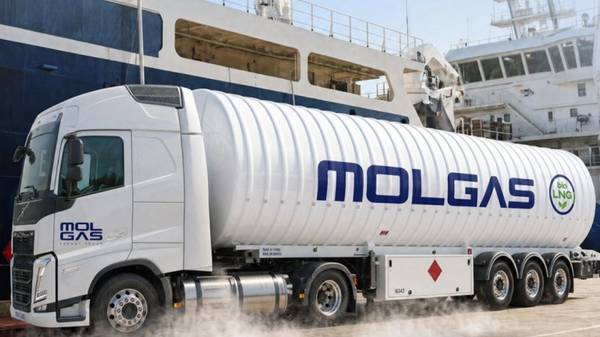
Molgas secures 10-year LNG truck-to-ship licence at the Port of Bilbao
Spanish energy group obtains decade-long operating licence for LNG bunkering operations. |
|
|
|
||

|
CMA CGM names world’s largest LNG-powered containership in Le Havre
The CMA CGM Notre Dame is formally welcomed into the French carrier’s fleet. |
|
|
|
||
|
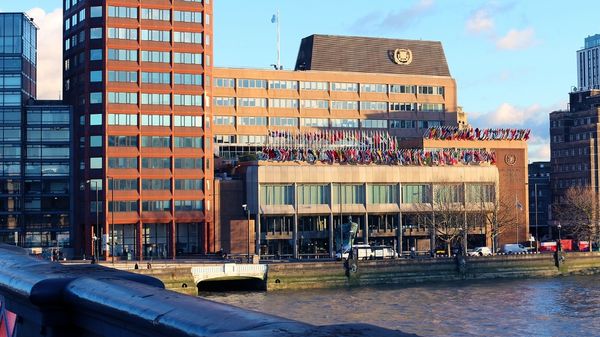
IMO calls for speaker nominations for ammonia-as-fuel technical seminar
Nomination deadline for upcoming ammonia marine fuel seminar in London is 17 July. |
|
|
|
||
| Kochi terminal: Shortlisted companies under review [News & Insights] |
| Matrix Bharat to supply at Kochi in July [News & Insights] |
| Kochi bunker terminal project gathers pace [News & Insights] |
| WinGD and Hanwha deliver world's first LNG carrier engine with variable compression ratio technology [News & Insights] |
| Imabari Shipbuilding delivers LNG-fuelled car carrier to NYK Line [News & Insights] |
| Singapore opens applications for additional LNG bunkering licences [News & Insights] |
| Bureau Veritas verifies methane emissions on Brittany Ferries’ LNG vessels [News & Insights] |
| Osaka Gas launches ship-to-ship LNG bunkering in Japan [News & Insights] |

