|
Sing Fuels seeks Asia-based supply trader to bolster bunker procurement team
Singapore bunkering firm is recruiting a supply trader to manage marine fuel purchasing across Asia. |
|
|
|
||
|
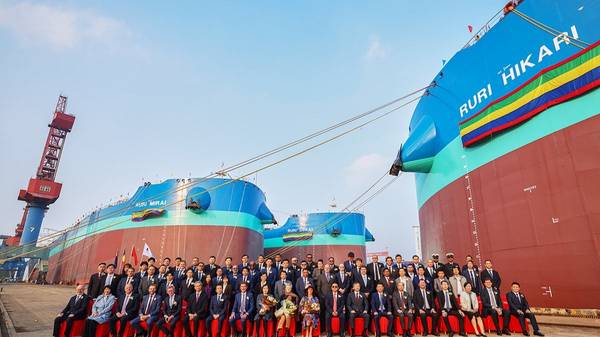
MOL names world's first ammonia-fuelled Capesize bulk carriers
Naming of Ruri Mirai, Ruri Sekai and Ruri Hikari signals ammonia's arrival as a marine fuel for large bulk carriers. |
|
|
|
||
|
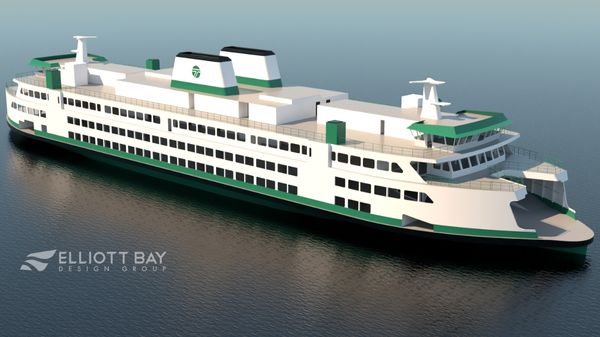
ABB wins Washington State Ferries' third hybrid-electric vessel order
ABB extends its role in the US ferry operator's electrification programme, which targets emission-free operations by 2050. |
|
|
|
||
|
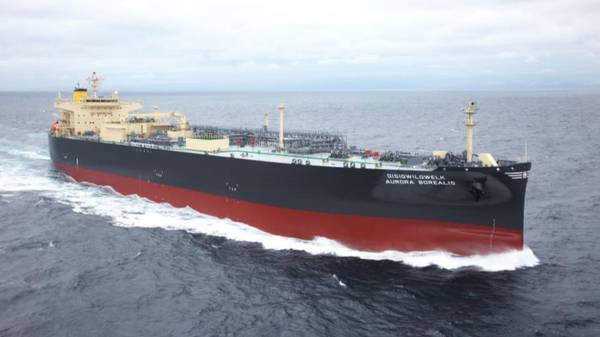
Kawasaki Heavy Industries delivers LPG-fuelled carrier Aurora Borealis
Ship could also be modified in future to allow for ammonia-fuelled operation. |
|
|
|
||
|
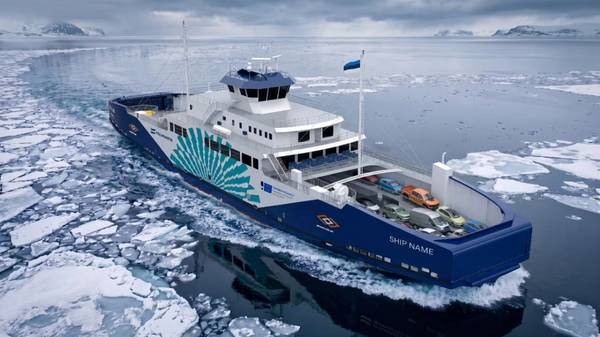
Estonian State Fleet's shore-charged electric ferry completes model testing in Germany
Hull and propulsion tests show the vessel's energy consumption remains within contracted limits with room to spare. |
|
|
|
||
|
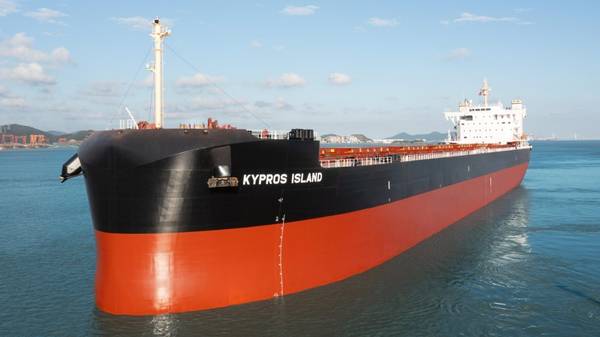
Tsuneishi delivers first methanol dual-fuel Kamsarmax bulk carrier from Chinese yard
Shipbuilder claims progress towards establishing a mass-production system for vessels designed to reduce environmental impact. |
|
|
|
||
|
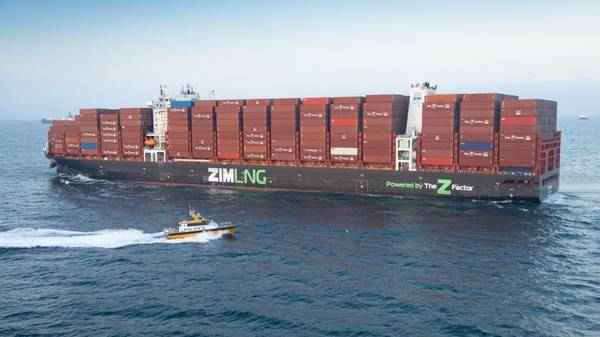
Los Angeles and Long Beach identify LNG and methanol as key near-term marine fuels
Joint feasibility study maps out demand projections and infrastructure needs to support cleaner shipping fuels at San Pedro Bay |
|
|
|
||
|
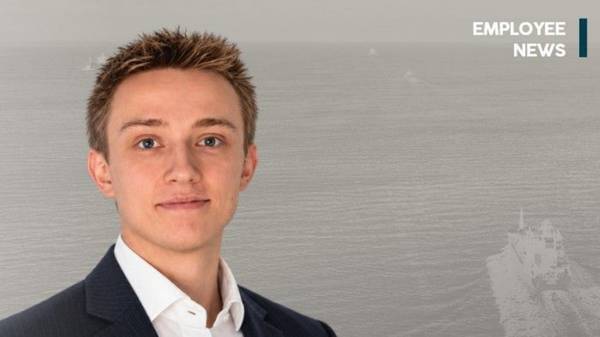
Christiania Energy welcomes student assistant to Copenhagen office
Alexander Treff joins marine fuels firm while studying international business at Copenhagen Business School. |
|
|
|
||
|
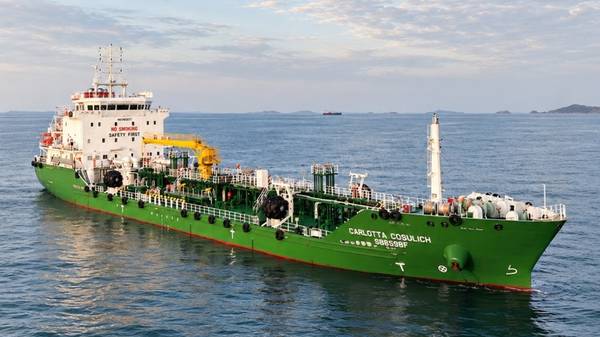
Cosulich Marine Energy takes delivery of third methanol-ready bunker tanker
Carlotta Cosulich joins the group’s fleet, bringing its four-vessel bunkering programme closer to completion. |
|
|
|
||
|
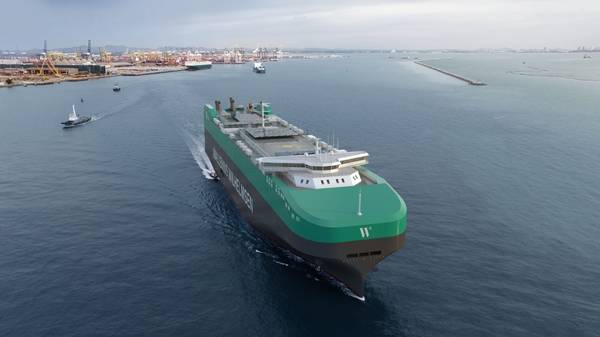
Wallenius Wilhelmsen orders four dual-fuel PCTCs, extends fleet renewal programme
Shipping firm signs for LNG-fuelled car carriers with options for eight more, with deliveries from 2030. |
|
|
|
||
| Vopak, Vilma Oil to start Algeciras terminal construction [News & Insights] |
| Vopak operating profit up 28 percent [News & Insights] |
| Amsterdam terminal to double storage capacity [News & Insights] |
| Independent oil terminal launched in Jakarta [News & Insights] |
| Ottco and Vopak form joint venture for Duqm energy storage terminal [News & Insights] |