
|
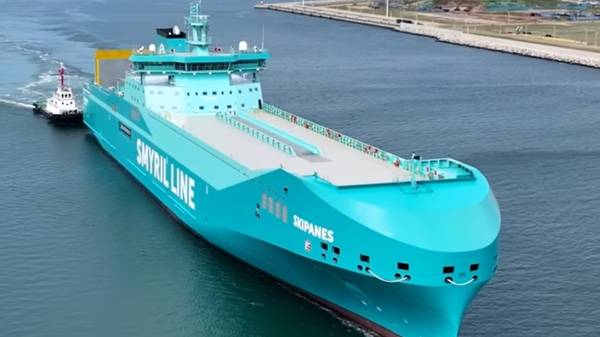
E-methanol-ready ro-ro vessel delivered to Smyril Line
190-metre vessel is built for year-round North Atlantic operations and designed for future e-methanol conversion. |
|
|
|
||

|
Sunoil Biodiesel secures approval to supply biofuels in Belgium
Dutch biofuel supplier expands its European footprint with Belgian market entry. |
|
|
|
||
|
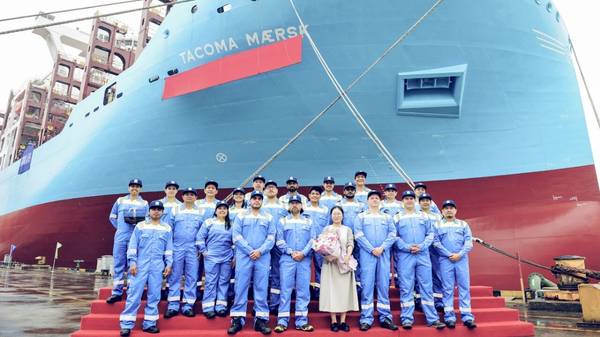
Maersk takes delivery of dual-fuel methanol-capable Tacoma Maersk in China
9,000-TEU vessel is one of six mid-sized dual-fuel ships joining Maersk's fleet. |
|
|
|
||
|
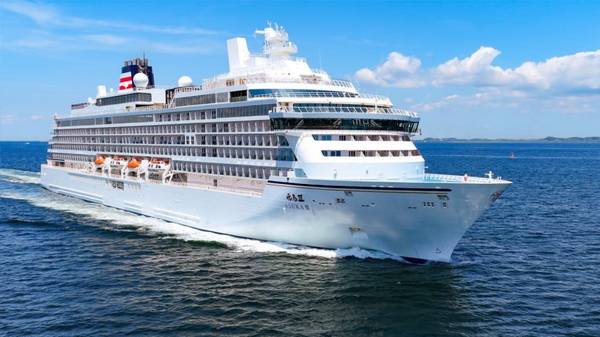
NYK Cruises’ Asuka III cuts annual CO₂ emissions by 1,300 tonnes through LNG fuel use
LNG-fuelled Asuka III avoided emissions equivalent to 530 households annually, says cruise firm. |
|
|
|
||
|
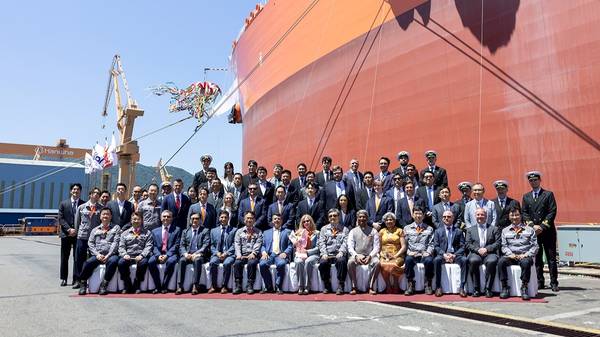
Naming ceremony held for first VLCC in Hanwha Shipping's new fleet
320,000-DWT alternative-fuel-ready Elandra K2 is first of three VLCCs built at Okpo Shipyard. |
|
|
|
||
|
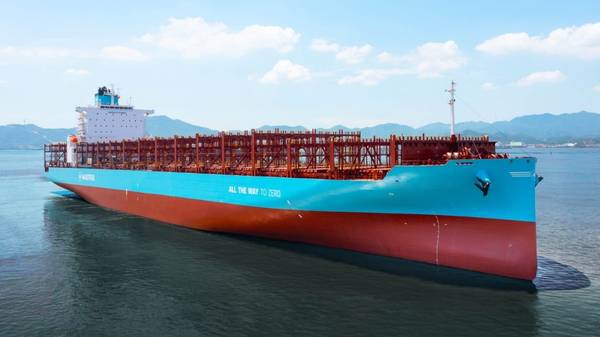
Tsuneishi China delivers fourth methanol dual-fuel 5,900-TEU boxship
Zhoushan yard expands portfolio of alternative-fuelled vessels with handover of Maersk container ship. |
|
|
|
||
|
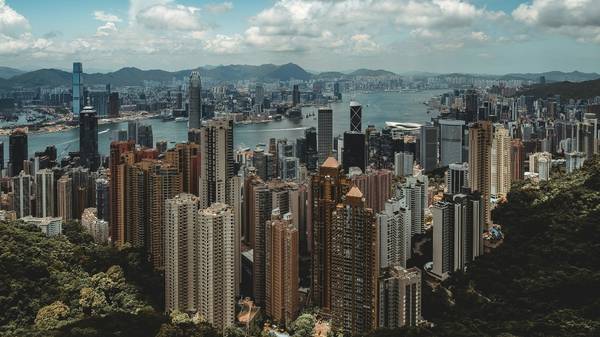
IBIA to host marine fuels forum during Hong Kong Maritime Week
Event to explore the practical and commercial realities surrounding a range of alternative fuels. |
|
|
|
||
|
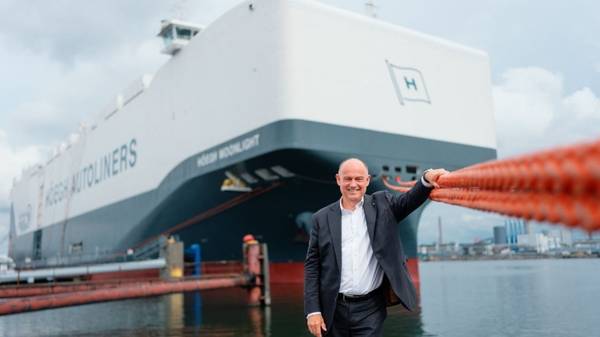
Höegh orders six LNG-fuelled Aurora-class vessels with future-fuel provisions
9,100-CEU ships equipped with ammonia- and methanol-ready notation and designed to operate on LNG and low-sulphur fuel oil. |
|
|
|
||
|
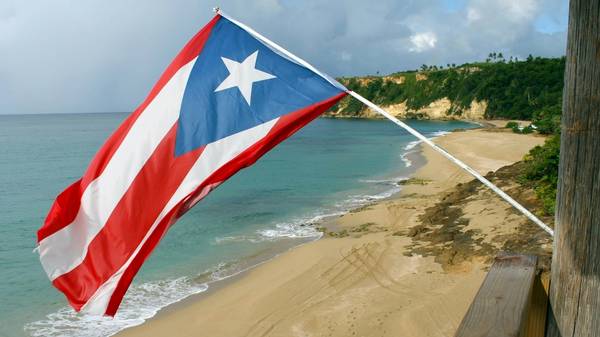
Puma Energy confirms bunkering operations in Puerto Rico
The development has been known to regional industry players for several weeks. |
|
|
|
||

|
Koch Minerals & Trading seeks bunker procurement intern in Singapore
Successful applicant to work under the mentorship of KM&T’s senior bunker procurement coordinator. |
|
|
|
||
| Evergreen Line revises bunker surcharge [News & Insights] |
| OOCL to raise fuel surcharges in October [News & Insights] |
| Hanjin to introduce fuel recovery charge [News & Insights] |
| Fuel surcharge criticized by UK businesses [News & Insights] |
| Maersk takes delivery of dual-fuel methanol-capable Tacoma Maersk in China [News & Insights] |
| Tsuneishi China delivers fourth methanol dual-fuel 5,900-TEU boxship [News & Insights] |
| CMA CGM methanol dual-fuel vessel makes first call at Malta Freeport [News & Insights] |
| Construction begins on 21,700-TEU LNG dual-fuel boxship for MSC [News & Insights] |
| Echandia: Batteries offer fuel savings by optimising generator loads on large vessels [News & Insights] |

