
|
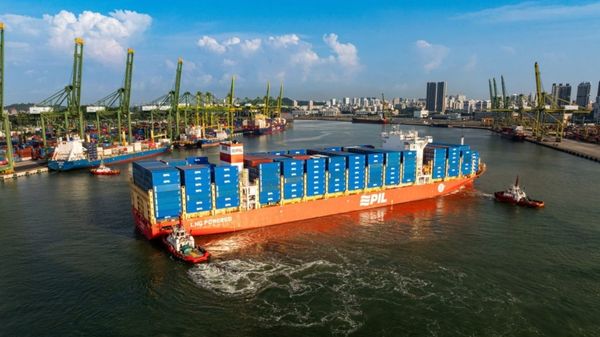
PIL hiring head of marine fuel procurement in Singapore
Role requires at least 10 years’ experience in bunkering, shipping or energy sectors. |
|
|
|
||
|
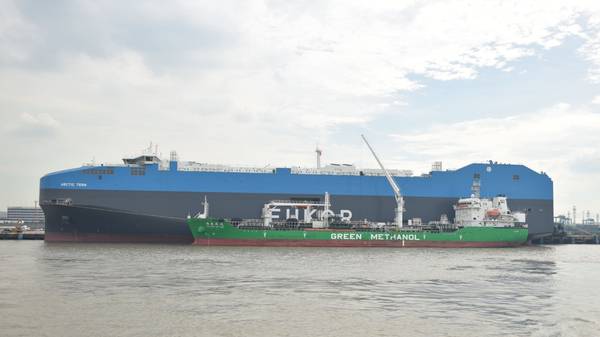
EUKOR’s new car carrier completes first biomethanol bunkering at Shanghai on maiden voyage
EUKOR, SIPG Energy and World Fuel deliver 2,800 tonnes of waste-derived biomethanol to the first Shaper Class vessel. |
|
|
|
||
|
Peninsula seeks bunker sales trader for Dubai office
Firm says role would suit candidate with previous trading experience, ideally within the bunker sector or maritime industry. |
|
|
|
||
|
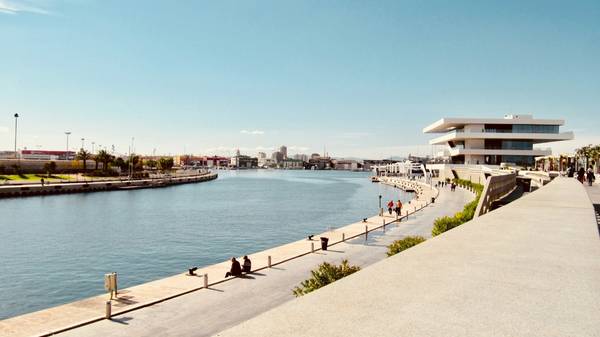
Glander International Bunkering seeks trader for Valencia office
Marine fuels company is recruiting a sales-focused professional for its Spanish operations. |
|
|
|
||
|
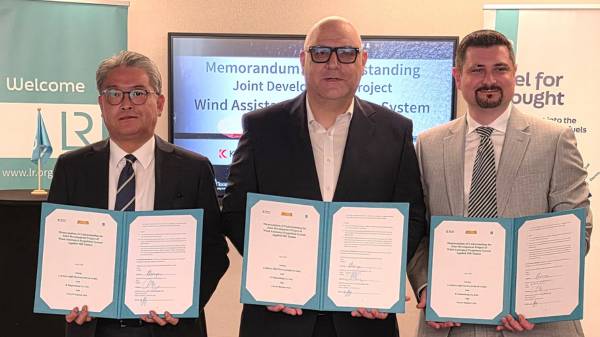
Capital Ship Management, K Shipbuilding and LR launch wind-assisted propulsion project for MR tanker sector
Joint development project will assess wind-assisted propulsion for 50,000-dwt product tankers. |
|
|
|
||

|
Bureau Veritas approvals extend classification society coverage for Anemoi Rotor Sail range
Anemoi's full Rotor Sail portfolio is now approved by four major classification societies. |
|
|
|
||
|
Propeller Fuels and Proteus Supply and Trading form commercial partnership to expand Americas coverage
US-based Proteus and UK-based Propeller Fuels unite operations across the Americas and beyond. |
|
|
|
||
|
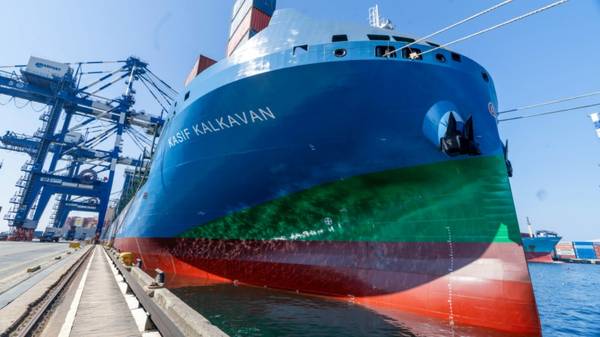
Turkon Line’s LNG-powered Kaşif Kalkavan makes maiden call at Marport
Türkiye’s largest domestically built LNG-fuelled container ship has docked at Marport for the first time. |
|
|
|
||

|
Flex Commodities appoints Vinoth Kumar as general accountant
Dubai-based bunker trader strengthens finance team with new accounting hire. |
|
|
|
||
|
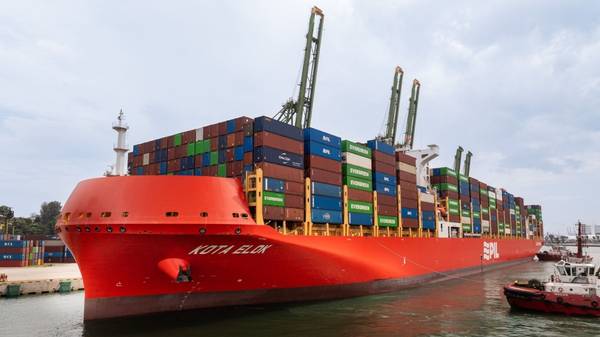
PIL's first LNG dual-fuel boxship receives cybersecurity certification on Singapore maiden call
Pacific International Lines' 13,000-teu vessel Kota Elok becomes the first PIL ship certified to IACS cyber-resilience standards. |
|
|
|
||
| Fuel oil spill fears as tanker runs aground [News & Insights] |
| WinGD promotes variable compression ratio retrofits for existing LNG dual-fuel engines [News & Insights] |
| Anemoi and NACKS secure ClassNK approval for Ultramax rotor sail designs [News & Insights] |
| Tsuneishi launches methanol-fuelled boxship as part of carbon neutrality push [News & Insights] |
| New Times Shipbuilding begins steel cutting on 8,400-teu LNG dual-fuel boxship [News & Insights] |
| ClassNK grants world-first approval for ammonia-fuelled bulk carrier with Type B fuel tanks [News & Insights] |

