
 |
The Maritime Technologies Forum (MTF) has published new guidelines aimed at helping companies develop and strengthen safety management systems (SMS) for ships using methanol as fuel.
The guidelines, developed collaboratively by MTF members and industry stakeholders with expertise in methanol fuel technologies and the International Safety Management (ISM) Code, provide methanol-specific recommendations across all functional areas of an SMS.
According to the MTF, low-carbon methanol has emerged as one of the more scalable alternative fuel options as the maritime industry pursues decarbonisation. Its liquid state under ambient conditions and compatibility with existing fuel infrastructure are cited as factors behind its growing adoption. However, the MTF notes that methanol's toxicity, low flashpoint, and invisible vapour and flame characteristics introduce safety challenges that require enhanced procedural controls and risk management measures.
Recognising that methanol as a marine fuel remains at an early stage of adoption, the guidelines place particular emphasis on risk-based decision-making, continuous improvement and organisational agility. The report also stresses the value of learning from hazardous occurrences, near misses and accidents involving methanol fuel.
The guidelines address the transition period in which both conventional fuels and methanol may be carried and used onboard simultaneously, recommending that companies develop SMS frameworks capable of supporting such mixed-fuel operations.
Human factors are identified by the MTF as a critical element in ensuring safe methanol operations, with recommendations that companies assess competency, training, familiarisation and resource requirements based on individual roles and responsibilities.
Nick Brown, CEO of Lloyd's Register, stated: "While IMO regulatory discussions continue, many ship owners and operators are already moving ahead with alternative fuel retrofits and newbuilds. For those choosing methanol, these guidelines provide practical recommendations to ensure safety management systems appropriately reflect its characteristics as a fuel."
Capt. M. Segar, chief marine officer/senior adviser at the Maritime and Port Authority of Singapore, remarked: "We appreciate the collective efforts of industry and MTF members to bring together practical experience and regulatory perspectives in support of the safe adoption of methanol as a marine fuel. It serves as a practical reference for companies developing or strengthening their Safety Management Systems for ships using methanol as fuel."
The MTF is a forum of flag states and classification societies established to provide technical and regulatory expertise to the maritime industry. Flag state administrations include Japan's Ministry of Land, Infrastructure, Transport and Tourism (Maritime Bureau), the Norwegian Maritime Authority, the UK's Maritime and Coastguard Agency, and the Maritime and Port Authority of Singapore. Classification society members are ABS, DNV, Lloyd's Register and ClassNK.
|
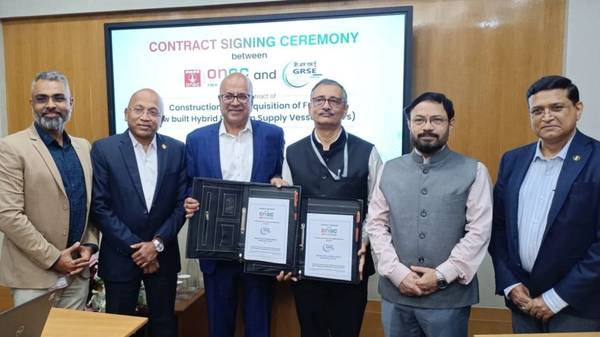
GRSE signs contract with ONGC to build four hybrid platform supply vessels
Indian shipbuilder adds offshore support vessels to its portfolio with hybrid propulsion contract for state oil firm. |
|
|
|
||
|
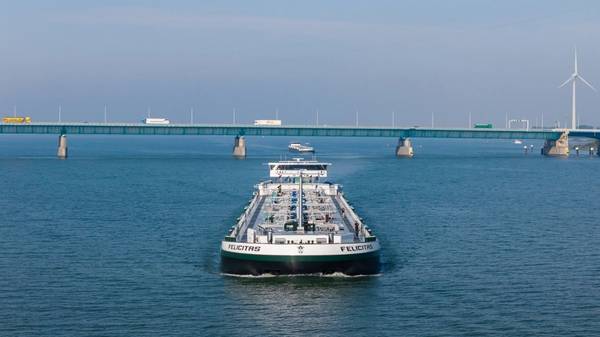
AMS Barging christens methanol-ready tanker as fleet reaches 17 vessels
Dutch inland shipping company adds 9,000-cbm diesel-electric tanker Felicitas, designed for future conversion to methanol bunkering. |
|
|
|
||
|
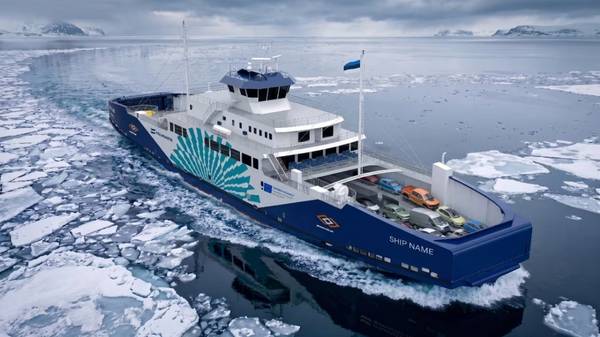
Steerprop to supply next-generation CRP units for Estonia's first electric ferry
Finnish propulsion specialist Steerprop will equip a CRIST-built electric ferry with upgraded contra-rotating propeller technology for the Estonian State Fleet. |
|
|
|
||
|
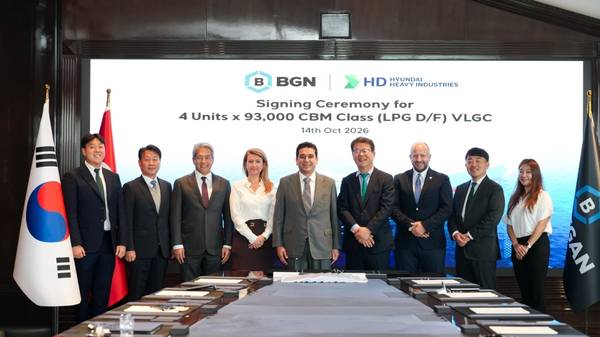
BGN orders four more dual-fuel LPG carriers from HD Hyundai Heavy Industries
New contract brings BGN's 2026 orders with HD HHI to 10 vessels and will increase its owned VLGC fleet to 23 ships. |
|
|
|
||
|
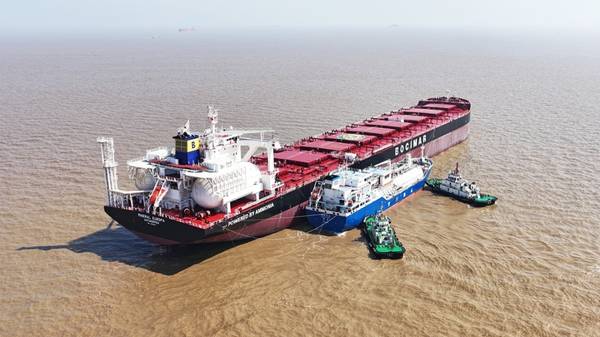
World's first ship-to-ship green ammonia bunkering operation completed in China
Shenghang Yongle supplied 1,000 tonnes of green ammonia to CMB.Tech's Mineral Europa, connecting the fuel's full supply chain. |
|
|
|
||
|
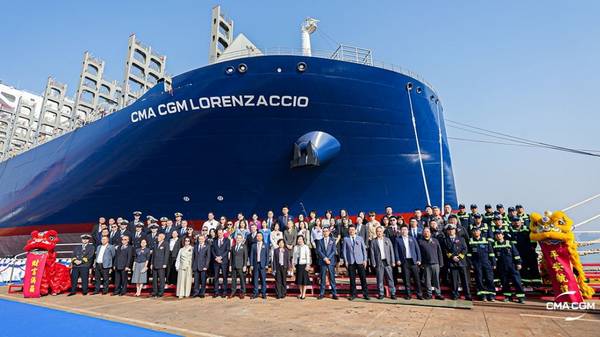
15,000-TEU methanol-powered boxship named CMA CGM Lorenzaccio
French carrier adds literature-inspired vessel to its methanol-powered fleet for deployment on the REX2 service. |
|
|
|
||
|
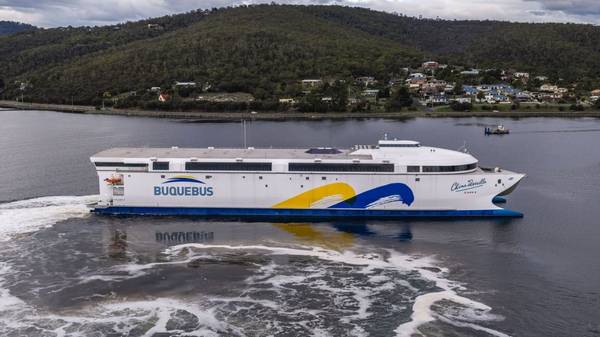
Battery-electric ferries grow in scale as aluminium multihulls gain market share
DNV highlights the rise of battery-electric aluminium ferries, spotlighting the delivery of the world's largest such vessel. |
|
|
|
||
|
IBT Bunkering & Trading appoints Sales Support Specialist
Björn Hauschild joins from shipyard broker CombiTrade. |
|
|
|
||
|
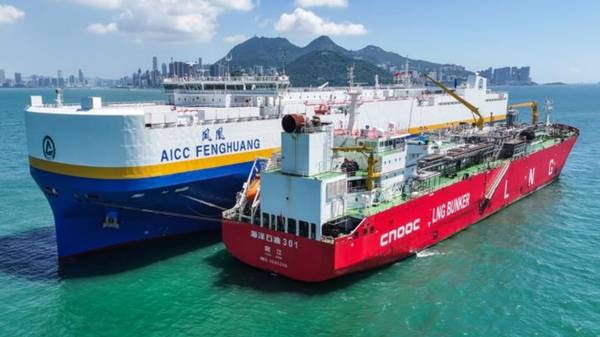
CLPe and CNOOC complete Hong Kong's first LNG bunkering of a pure car and truck carrier
Ship-to-ship operation delivered around 2,600 cbm of LNG to dual-fuel vessel AICC Fenghuang. |
|
|
|
||
|
Mercuria seeks senior sales and account manager for bunker delivery platform
Role can be based either remotely or at one of its offices in London, Geneva, Athens or Las Palmas. |
|
|
|
||
| LR publishes retrofit guidance covering alternative fuels and energy-saving devices in one framework [News & Insights] |
| Singapore launches series of measures at SIBCON 2026 [News & Insights] |
| Singapore launches ammonia bunkering code and new standards for fuel sampling and polymer testing [News & Insights] |
| Study finds methanol dual-fuel retrofit of Kamsarmax bulk carrier would take about 75 days [News & Insights] |
| Nuclear-powered LNG carriers cost more upfront but cut lifetime fuel bills, ABS-backed study finds [News & Insights] |
