
 |
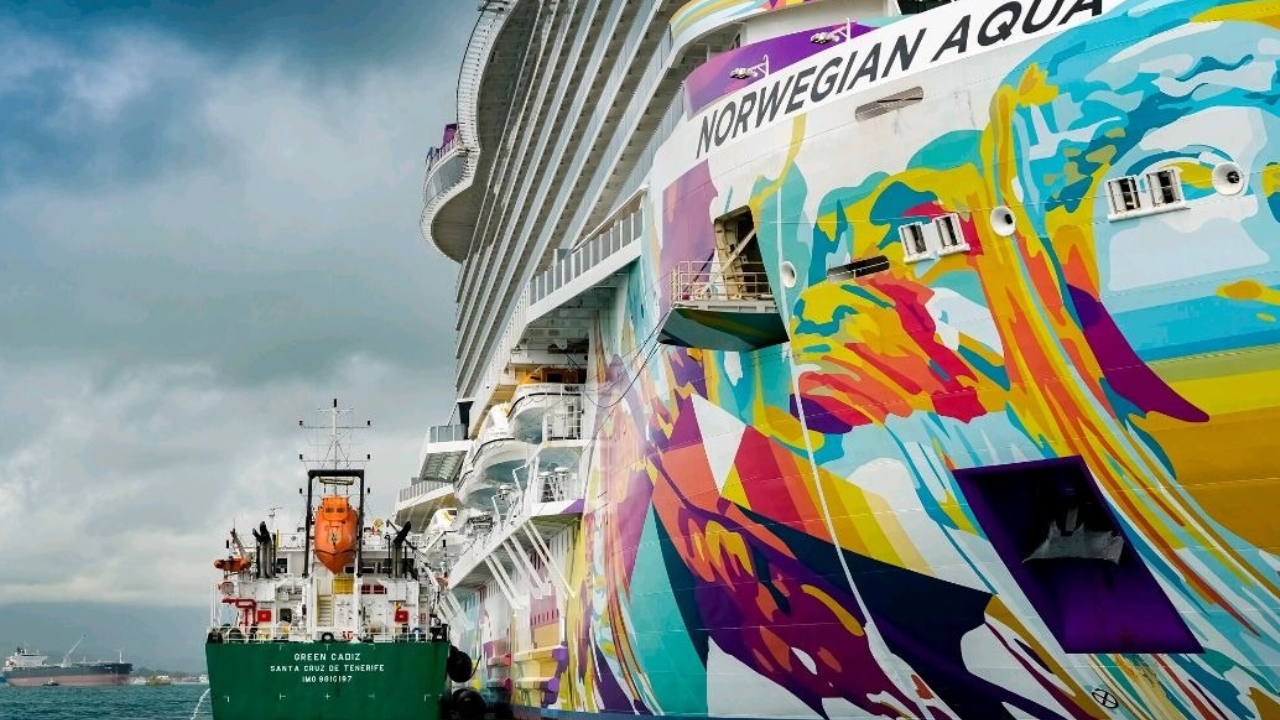
Norwegian Cruise Line Holdings (NCLH) and Repsol have signed an 8-year agreement for the supply of renewable marine fuels at the Port of Barcelona, Spain.
Starting with the 2026 European season, Repsol will provide a portfolio of renewable fuels, including biofuels and renewable methanol from 2029, to NCLH's vessels across its three cruise brands — Norwegian Cruise Line, Oceania Cruises, and Regent Seven Seas Cruises — when calling at Barcelona.
"This partnership is an excellent example of how cross-industry collaboration can unlock meaningful progress," said Harry Sommer, president and chief executive officer of NCLH. "Securing long-term access to renewable marine fuels at a key European port aligns directly with our Sail & Sustain programme and demonstrates our commitment to advancing towards a more sustainable future."
Juan Abascal, Repsol's executive managing director for industrial transformation and circular economy, commented: "This milestone agreement highlights that renewable fuels are ready to play a key role in reducing the carbon footprint of the maritime sector. By partnering with NCLH, one of the world's leading cruise companies, we show that renewable fuels are already deployable at scale to immediately start reducing emissions at sea."
All fuels provided under the agreement are said to be certified under the ISCC EU framework and meet standards necessary to support NCLH's environmental compliance and decarbonisation roadmap.
The renewable methanol is to be produced at Repsol's Ecoplanta facility in Tarragona, Spain — a project to transform urban waste into renewable fuels and circular products. The new plant is set to begin operations in 2029 and have the capacity to process up to 400,000 tonnes of municipal solid waste per year, converting them into 240,000 tonnes of renewable fuels and circular products. NCLH is the first company to sign an offtake agreement for renewable methanol from the Ecoplanta facility.
The alliance supports NCLH's global Sail & Sustain programme, focused on reducing greenhouse gas intensity, investing in fuel solutions, and fostering collaboration across the value chain. As part of its 2026 'Charting the Course' targets, the company is working to achieve a 10% reduction in GHG intensity by 2026 and 25% by 2030.
Repsol says renewable fuels are central to its strategy to supply solutions for cutting CO₂ emissions across transport sectors. In Cartagena, Spain, the company operates the region's first renewable diesel and sustainable aviation fuel plant with 250,000 tonnes per year capacity, and it is building a second plant in Puertollano with 200,000 tonnes per year capacity, due in 2026. Next year, it will also start operations at its synthetic fuels demonstration plant in Bilbao.
The company supplies renewable diesel at over 1,300 service stations in Spain and Portugal, aiming for 1,500 by year-end. Repsol is also a supplier of sustainable aviation fuel, supporting aviation decarbonisation and compliance with the EU's 2% mandate — which requires that at least 2% of the fuel uplifted for flights at EU airports must consist of sustainable aviation fuel (SAF) from 2025.
NCLH operates a combined fleet of 34 ships. The company expects to add 13 additional vessels across its three brands through 2036.
|
Wind-assisted propulsion 'no longer just a concept', ICS panel says
Shipowners weigh wind power as a practical, low-risk route towards decarbonisation targets. |
|
|
|
||
|
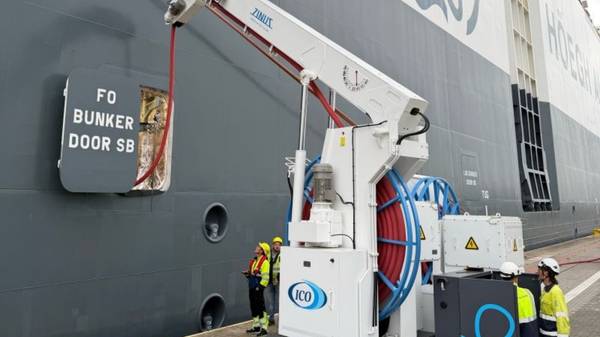
Höegh Autoliners vessel connects to shore power for the first time in Europe
Höegh Starlight used 11 kV shore power in Zeebrugge, allowing it to switch off its auxiliary engines while alongside. |
|
|
|
||
|
Chinese shipbuilder ROC signs deal for up to eight methanol-ready CSOVs
Contract signed with European shipowner for vessels designed for offshore wind farm maintenance work. |
|
|
|
||
|
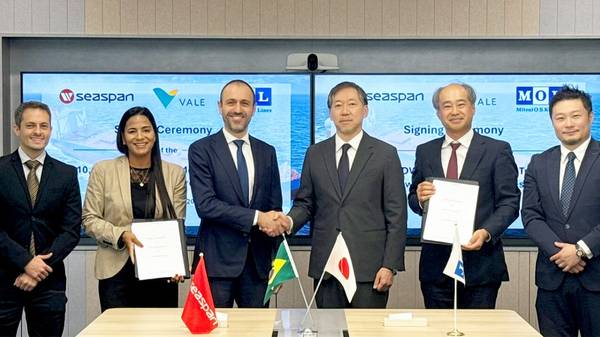
MOL and Vale sign 25-year deal for tri-fuel ore carriers
New vessels will be able to run on ethanol, methanol or heavy fuel oil, offering fuel flexibility. |
|
|
|
||
|
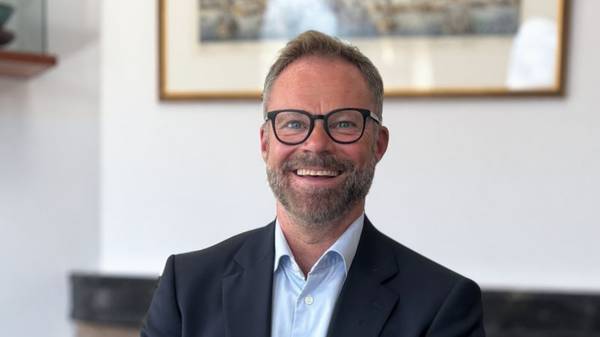
ScanOcean appoints Lars Malmbratt as senior commercial manager
Swedish firm strengthens commercial team with experienced industry executive based in Gothenburg. |
|
|
|
||
|
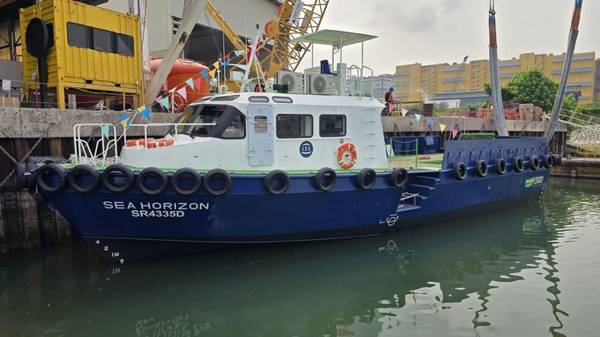
Pinnacle Marine launches second B100-compatible harbour craft for Les Star
Sea Horizon joins Singapore’s harbour craft fleet. |
|
|
|
||
|
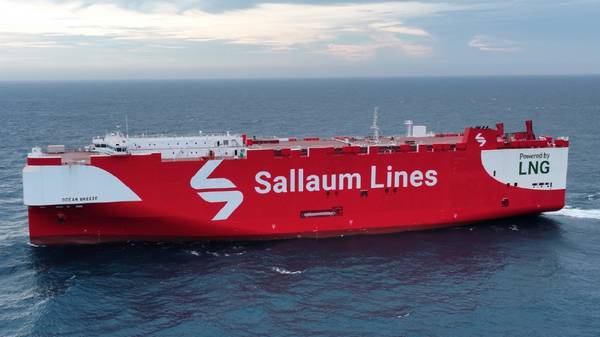
Sallaum Lines orders LNG-fuelled, ammonia-ready PCTCs from Chinese yards
Operator signs shipbuilding agreements for new generation of 8,600-CEU vessels, taking its newbuild investment past $1bn. |
|
|
|
||
|
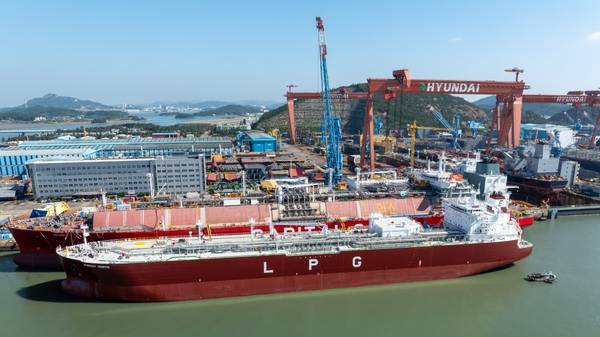
Nakilat takes delivery of dual-fuel carrier in South Korea
Ammonia-ready design positions vessel to play key role in future low-carbon energy supply chains, says Qatari firm. |
|
|
|
||
|
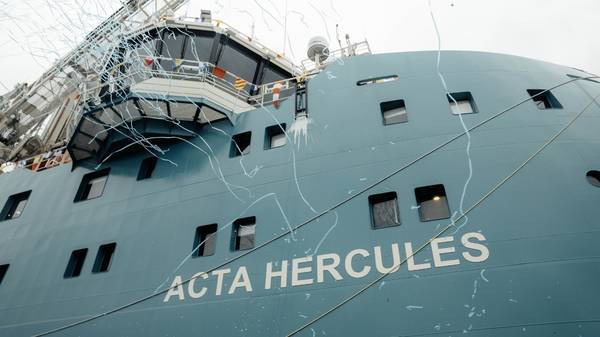
Acta Marine christens methanol dual-fuel vessel Acta Hercules in IJmuiden
Dutch operator marks the christening of its second newbuild CSOV. |
|
|
|
||
|
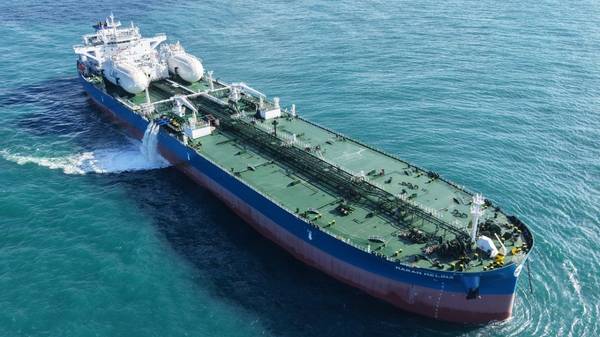
Angelicoussis Group takes delivery of fifth dual-fuel Suezmax tanker
Maran Tankers Management adds the 155,500-DWT Maran Melina to its fleet. |
|
|
|
||
| Peninsula launches B100 bunker vessel in Barcelona [News & Insights] |
| Höegh Autoliners vessel connects to shore power for the first time in Europe [News & Insights] |
| Chinese shipbuilder ROC signs deal for up to eight methanol-ready CSOVs [News & Insights] |
| MOL and Vale sign 25-year deal for tri-fuel ore carriers [News & Insights] |
| Sallaum Lines orders LNG-fuelled, ammonia-ready PCTCs from Chinese yards [News & Insights] |
| PaxOcean signs design contract with Ulstein for methanol-ready offshore wind vessel [News & Insights] |
