
 |
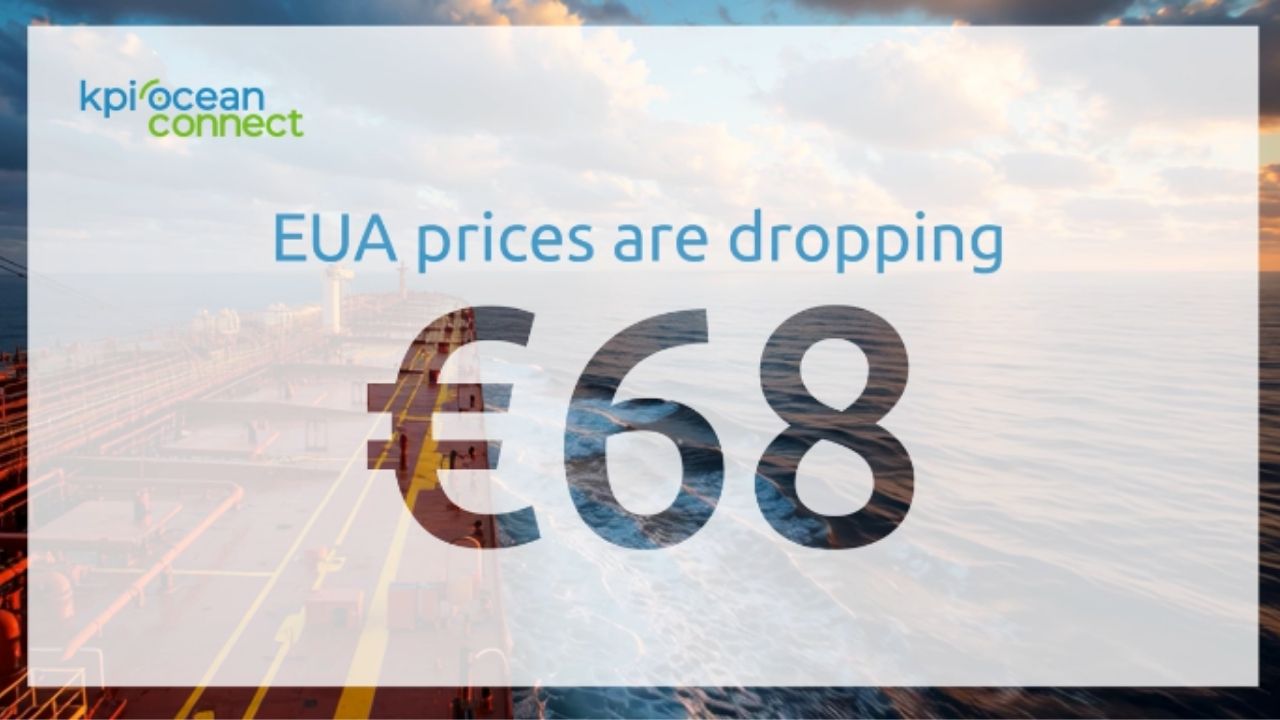
Marine fuel seller KPI OceanConnect has pointed to lower prices for EU Allowances (EUAs) as a potential way for shipowners to reduce both fuel-related and compliance costs.
The company said EUA prices have fallen since the beginning of the year, easing some of the pressure from rising marine fuel costs.
Because EUAs only expire when they are surrendered to cover regulated carbon emissions, KPI OceanConnect said shipowners who time their purchases effectively may be able to lower their overall fuel and compliance spend.
From 2026, the scope of the EU’s maritime emissions framework is set to expand from 70% to 100%, increasing the compliance burden for shipping companies operating in European waters.
According to KPI OceanConnect, securing EUAs at current price levels could help shipowners manage longer-term exposure, improve cost certainty and strengthen emissions planning as carbon costs become a more significant part of vessel operations.
The company said it supports clients in navigating carbon markets through spot and forward trading, while helping them develop purchasing strategies that fit their operational requirements.
The EU Emissions Trading System was extended to maritime transport as part of the bloc’s wider effort to cut greenhouse gas emissions from shipping. Under the regime, shipping companies must surrender allowances to cover verified emissions from voyages to, from, and within EU ports.
|
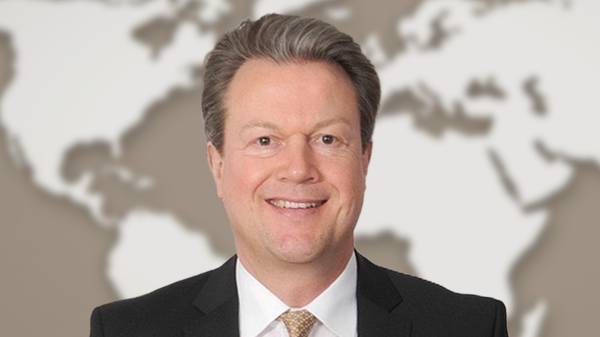
WinGD signs global service agreement for TMS Cardiff Gas LNG carrier newbuilds
WinGD will support six dual-fuel engines on three new LNG carriers for the Athens-based operator throughout their operational lives. |
|
|
|
||
|
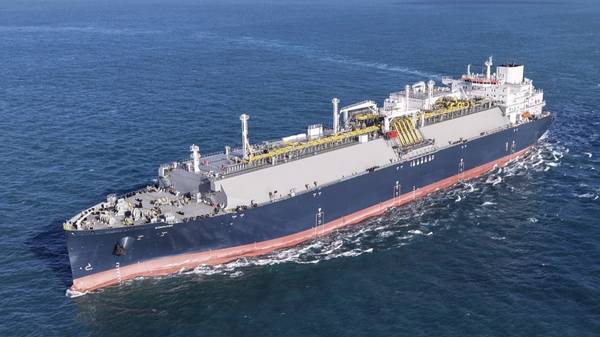
Yangzijiang Xinfu delivers first 175,000-cbm LNG carrier built by Chinese private shipyard
Vessel features two dual-fuel MAN B&W 5G70ME-C10.5-GA-EGR engines fitted with cryogenic units. |
|
|
|
||
|
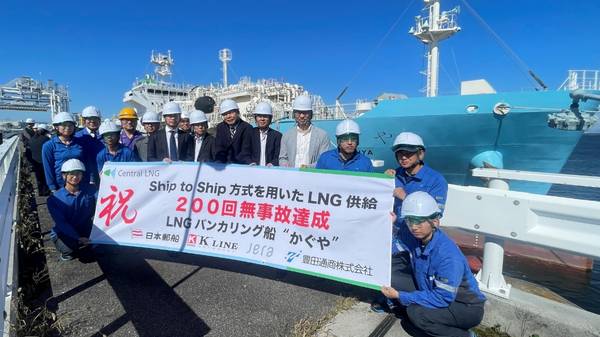
LNG bunkering vessel Kaguya completes 200th ship-to-ship operation in Japan
K Line’s joint venture vessel reaches milestone in Mikawa Bay. |
|
|
|
||
|
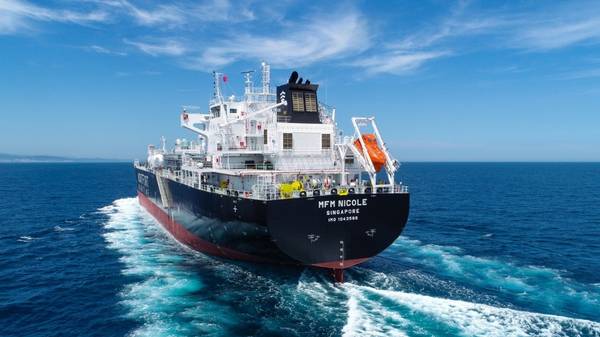
Synergy Marine adds dual-fuel LPG carrier to managed fleet
MFM Nicole joins Synergy’s gas carrier portfolio as owners weigh fuel choices ahead of MEPC 85 negotiations. |
|
|
|
||
|
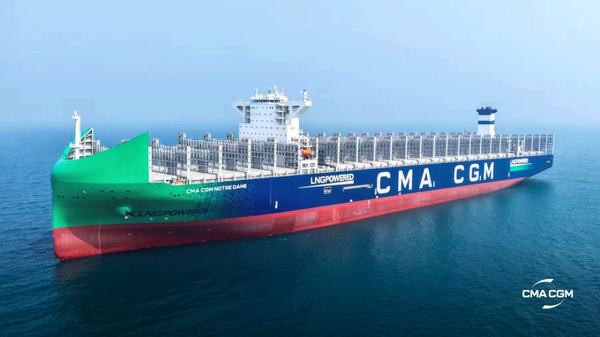
DSV to use CMA CGM’s ACT+ solution to slash shipping emissions
Danish firm targets 12,000-tonne reduction in CO₂ emissions over two years through the use of UCOME-based biofuels. |
|
|
|
||

|
Peninsula welcomes 2026 graduate cohort across global bunkering network
Bunker firm brings new graduates into roles spanning Houston, Singapore, Gibraltar, Monaco and Las Palmas. |
|
|
|
||

|
Malik Supply appoints Mathias Krogsgård as bunker trader
Danish bunker firm adds trader with export and technology background to growing team. |
|
|
|
||

|
Biofuel adoption in shipping shifts from debate to delivery, says Peninsula's Jeroen de Vos
Marine biofuels have moved from pilot projects to routine fuel strategy, argues IBIA vice-chair. |
|
|
|
||
|
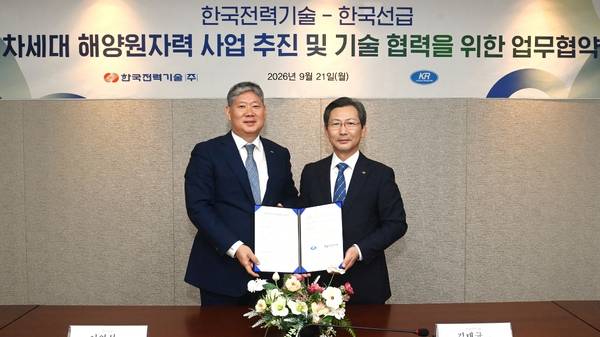
KEPCO E&C and Korean Register of Shipping to collaborate on marine SMR development
Korean firms to develop technical standards and certification pathways for the BANDI offshore small modular reactor. |
|
|
|
||
|
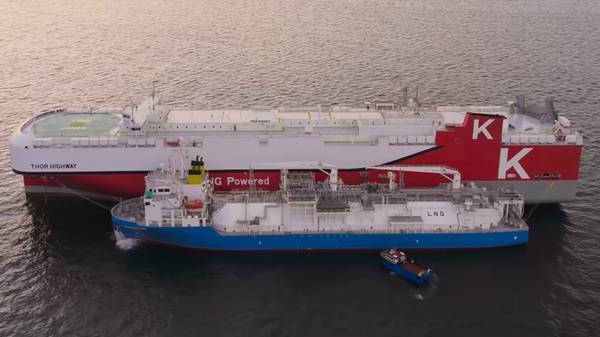
Peninsula completes first LNG bunkering operation at Sagunto
Levante LNG bunkering vessel supplies K Line car carrier in landmark delivery. |
|
|
|
||
| India and EU sign letter of intent for green shipping corridor coalition [News & Insights] |
| Lloyd's Register confirms suitability of Daphne Technology's emissions monitoring system [News & Insights] |
| Four firms partner to trial continuous emissions monitoring on LNG carrier [News & Insights] |
| Bunker Holding reshuffles commercial leadership across brand portfolio [News & Insights] |
| Shipowners risk financial exposure by delaying EU allowance transfers, EmissionLink warns [News & Insights] |
